TL;DR
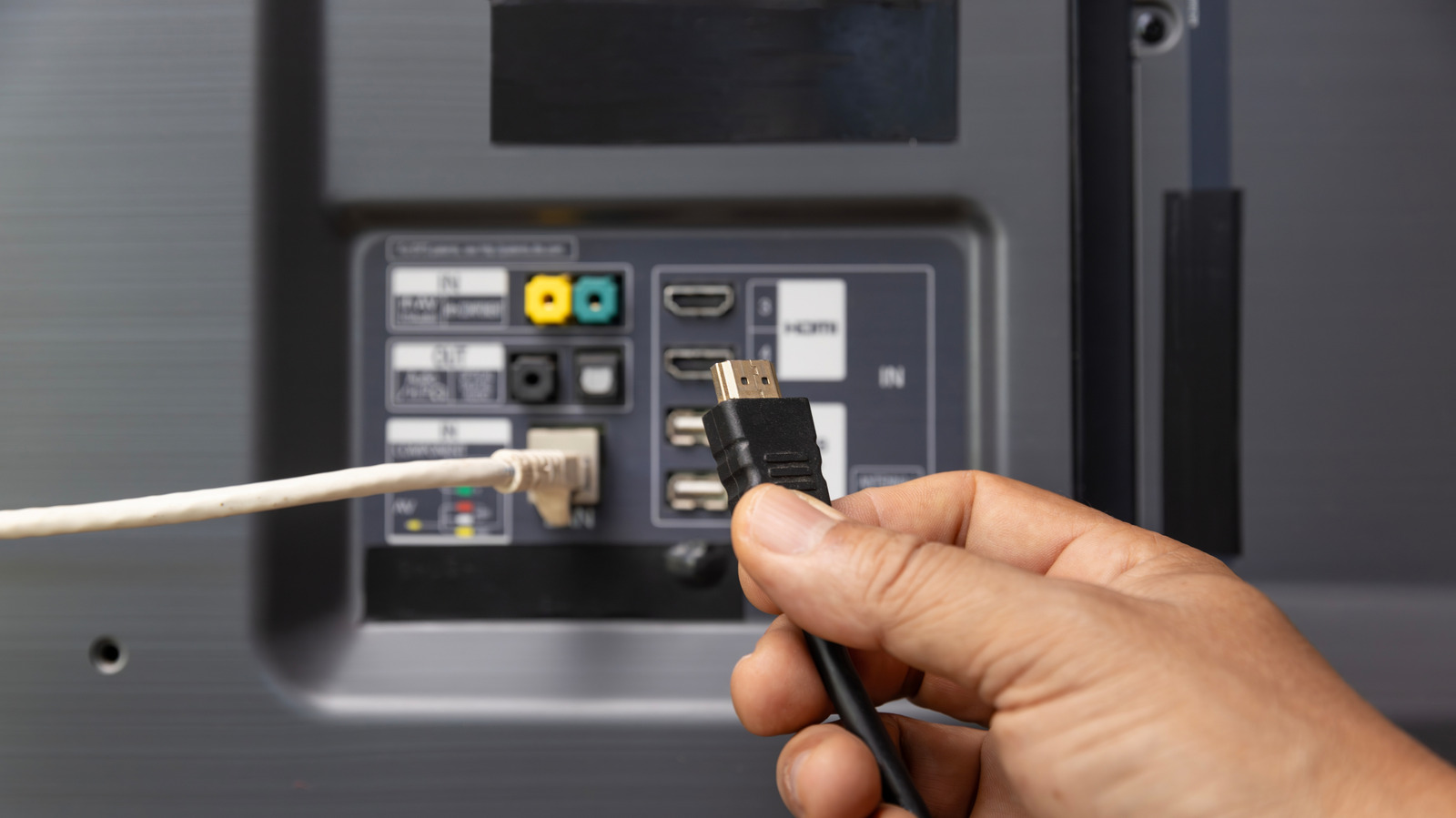
The HDMI 2.0 port, a standard feature in hundreds of millions of living rooms, is experiencing a renaissance as a hub for advanced, affordable entertainment. This matters because, despite the arrival of HDMI 2.1, the installed base of HDMI 2.0 TVs is so vast that it remains the primary battleground for streaming, gaming, and smart home innovation through 2026 and beyond.
What Happened
A new wave of consumer electronics is transforming the humble HDMI 2.0 port from a simple video passthrough into a dynamic command center for modern entertainment. As detailed in a comprehensive guide from SlashGear, manufacturers are targeting this ubiquitous interface with a new generation of gadgets, from AI-enhanced streaming sticks to immersive lighting systems, proving that cutting-edge home tech doesn't require the latest, most expensive television hardware.
Key Facts
- The analysis highlights five distinct gadget categories that optimally utilize the HDMI 2.0 standard, which supports 4K resolution at 60Hz and HDR.
- Key devices include next-generation streaming sticks from Google, Amazon, and Roku, which are increasingly using AI for content discovery and upscaling.
- HDMI sync boxes from companies like Philips Hue and Govee are identified as major growth products, using the port to analyze on-screen content in real-time to synchronize room lighting.
- Current-generation gaming consoles, specifically the Xbox Series S and the rumored "Nintendo Switch 2," are noted as perfect matches for HDMI 2.0's capabilities, avoiding the need for costly 120Hz displays.
- The USB-C to HDMI dongle market, led by Apple's ecosystem and Samsung DeX, is expanding, turning the TV into a workstation or a mirror for high-end mobile devices.
- The report underscores that HDMI 2.0 remains the dominant standard in global households, with over 500 million compatible TVs in use as of 2025, according to the HDMI Forum.
- This product surge is strategically timed for the 2026 holiday shopping season, with manufacturers aiming to capitalize on the massive existing install base rather than waiting for HDMI 2.1 adoption.
Breaking It Down
The strategic pivot toward HDMI 2.0 is a masterclass in pragmatic innovation. While tech headlines obsess over the bleeding-edge specs of HDMI 2.1—featuring 8K support and 4K/120Hz for high-frame-rate gaming—the industry's revenue engine is firmly rooted in the previous generation. Companies like Amazon, Google, and Roku recognize that their next 100 million customers are far more likely to own a five-year-old 4K TV than a brand-new OLED with the latest ports. Consequently, their 2026 product roadmaps are doubling down on enhancing the HDMI 2.0 experience through superior software, smarter AI, and deeper ecosystem integration, rather than purely chasing hardware specifications.
The installed base of HDMI 2.0 TVs is estimated to be over five times larger than that of HDMI 2.1, creating a market inertia that dictates product development cycles for the next three years. This staggering disparity is the single most critical factor driving this trend. The HDMI Forum estimates that by the end of 2025, there will be over 500 million HDMI 2.0-compatible displays in homes worldwide, compared to fewer than 100 million with full HDMI 2.1 support. This creates a powerful economic incentive for accessory makers. Developing a gadget that requires HDMI 2.1 immediately limits its potential market by 80%. Therefore, the most successful new products, like the latest Chromecast with Google TV or Philips Hue Play HDMI Sync Box, are engineered to deliver transformative experiences—whole-home ambient lighting or fluid, voice-controlled interfaces—within the bandwidth constraints of the older standard.
The rise of the HDMI sync box category is particularly telling. These devices, which sit between a media source and the TV, exemplify how the port is being reimagined as a two-way data pipeline. It's no longer just an output; it's an input for environmental control systems. By tapping the uncompressed video signal, companies like Philips Hue and Govee can analyze color and luminance data frame-by-frame to extend the on-screen action into the living room with zero perceivable lag. This level of immersion, once the domain of high-end custom home theaters, is now accessible to anyone with a standard HDMI 2.0 port, creating a new and lucrative accessory market that simply didn't exist five years ago.
What Comes Next
The focus on HDMI 2.0 as a primary platform will accelerate through 2026, shaping both product launches and content strategies. We are moving from a period of compatibility to one of optimization, where the full potential of this standard is finally being unlocked not by TVs, but by the devices plugged into them.
- The AI Streaming Wars Intensify (Q3 2026): Expect the next iterations of the Amazon Fire TV Stick 4K Max and Roku Ultra to heavily promote on-device AI processors capable of real-time upscaling of HD content to 4K and predictive content loading. Their marketing will directly target owners of older 4K TVs, promising a "free picture quality upgrade" via the HDMI 2.0 port.
- "Console-Lite" Gaming Becomes Formalized (Holiday 2026): The success of the Xbox Series S has proven there is a massive market for a console that targets 1440p/60fps gaming, a perfect sweet spot for HDMI 2.0. Both Microsoft and Sony are rumored to be planning discless, streaming-first "Series S-style" revisions of their current consoles, designed explicitly for this mainstream TV standard.
- The Hybrid Work-from-Home TV (Early 2027): Following the lead of Samsung DeX, look for Android and possibly even Windows to deepen integration with USB-C to HDMI dongles. The goal will be to make any HDMI 2.0 TV a one-cable docking station, transforming it into a large-format monitor for productivity apps, turning the living room into a viable alternate office.
- Standardization of HDMI ARC/eARC for Audio Ecosystems: While the focus is on video, the Audio Return Channel (ARC) feature of HDMI 2.0 will become a critical battleground for Sonos, Bose, and soundbar makers. Seamless, single-remote control of multi-room audio via the TV's HDMI port will be a key selling point, further cementing the port as the home's entertainment nerve center.
The Bigger Picture
This trend connects to several overarching shifts in consumer technology. First, it highlights the Deceleration of the Hardware Upgrade Cycle. Consumers are holding onto TVs, smartphones, and laptops longer. The industry's response is to create peripheral-driven "soft upgrades"—a smarter stick or a sync box—that deliver new functionality without requiring a $1,500 TV purchase. This is a fundamental change from the planned obsolescence model of the past.
Second, it underscores the Democratization of Immersive Tech. Advanced features like adaptive ambient lighting and AI-upscaled video were once exclusive to early adopters with the newest gear. By leveraging the ubiquitous HDMI 2.0 port, companies are bringing these experiences to the broad middle of the market, accelerating mainstream adoption and creating new platform dependencies. Finally, it reflects the Strategic Pivot of the Gaming Industry. As development costs soar, supporting the largest possible installed base of displays is crucial. The industry's focus on scalable game engines and multiple performance modes (Quality/Performance) is perfectly complemented by hardware that targets the HDMI 2.0 mainstream, ensuring blockbuster titles reach their widest audience.
Key Takeaways
- HDMI 2.0 is the New Mainstream Platform: With over 500 million compatible TVs, it is the largest and most lucrative target for entertainment tech companies, dictating product design priorities through the end of the decade.
- The Port is Now an Input, Not Just an Output: Devices like HDMI sync boxes are using the signal for environmental control, transforming the TV into the brain of an immersive smart home entertainment system.
- AI is the Key to "Soft" Upgrades: The next battle among streaming device makers will be fought with on-device AI for upscaling and discovery, offering tangible improvements to existing hardware via a simple dongle.
- Gaming and Work Are Converging on the TV: The HDMI 2.0 port is becoming a universal dock, equally viable for next-gen console gaming at 60fps and for productivity via smartphone or laptop tethering.