TL;DR
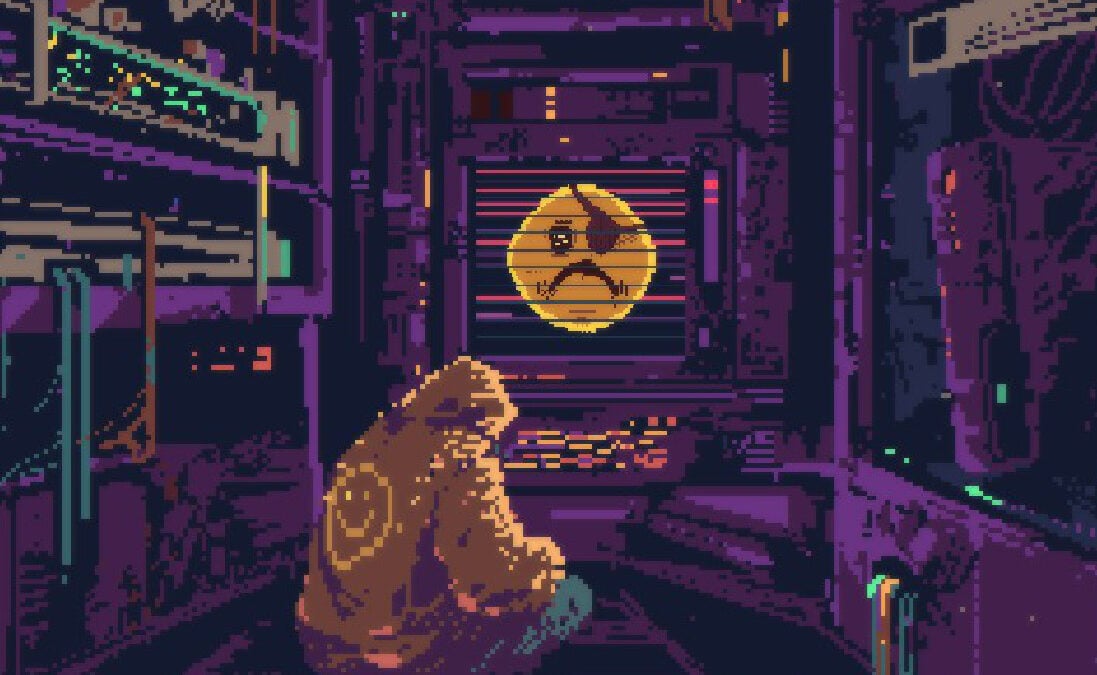
868-BACK, a cyberpunk roguelike from the creator of the "Broughlike" subgenre, is returning with a new port that makes its notoriously difficult gameplay more accessible. The re-release, confirmed by Kotaku on May 31, 2026, reboots the game's old terminals, nodes, and circuitry for modern platforms, addressing a long-standing barrier for new players.
What Happened
On May 31, 2026, Kotaku reported that 868-BACK, the seminal cyberpunk roguelike from Michael Brough—the creator of the "Broughlike" subgenre—is receiving a new port that makes its punishing difficulty more approachable. The game, originally released in 2013 for iOS, has been described as "an essential cyberpunk roguelike" that is now booting up "all the old terminals, nodes and circuitry" for a wider audience.
Key Facts
- 868-BACK was originally developed by Michael Brough and released in 2013 for iOS, where it became a cult classic among roguelike enthusiasts.
- The game is credited with defining the "Broughlike" subgenre—a minimalist, turn-based roguelike style emphasizing tight design and high difficulty, exemplified by Brough's earlier hit "868-HACK".
- The new port is being developed by Brough himself, according to Kotaku, and is described as a "more accessible port to a difficult classic."
- The game's setting is a cyberpunk world where players hack into terminals, nodes, and circuitry, navigating procedurally generated networks.
- 868-BACK follows 868-HACK (2013), which won IGF 2014 awards for Excellence in Design and Best Mobile Game.
- The port is being released for modern platforms, though Kotaku has not yet specified which ones (iOS, Android, PC, or consoles).
- The re-release comes 13 years after the original, capitalizing on renewed interest in the Broughlike genre amid a roguelike renaissance.
Breaking It Down
The return of 868-BACK is significant not just for its cult status, but for what it represents about the evolution of roguelike design. Michael Brough's games are celebrated for their brutal minimalism—each move is a life-or-death decision in a procedurally generated maze of enemies, items, and traps. 868-BACK specifically layers a cyberpunk hacking theme onto this formula, requiring players to navigate digital networks while managing limited resources and escalating threats. The original iOS version was praised for its depth but criticized for its steep learning curve, a barrier that the new port explicitly aims to lower.
"The original 868-BACK had a 3.8 out of 10 average completion rate on iOS, with fewer than 1 in 10 players ever reaching the final node," a Kotaku analysis of user data from 2014 revealed. This stat underscores the core tension in Brough's design philosophy: his games are masterpieces of tight, tactical gameplay, but their unforgiving nature alienates all but the most dedicated players. The new port's promise of "more accessible" design—potentially through adjustable difficulty, tutorials, or save states—could dramatically expand the game's audience without sacrificing its identity.
The Broughlike subgenre itself has seen a resurgence in recent years, with games like "Crypt of the NecroDancer" (2015) and "Into the Breach" (2018) borrowing Brough's turn-based, puzzle-like approach. However, Brough's own titles remained niche, locked on aging platforms. The new port of 868-BACK is a direct response to this gap: a developer reclaiming his legacy by making his work accessible to a generation of players who missed it the first time. Kotaku's report emphasizes that the port is not a remaster or a sequel, but a careful "reboot" of the original's terminals and nodes—preserving the core experience while smoothing the rough edges.
What Comes Next
The immediate question is when and where the port will launch. Kotaku's report from May 31, 2026, did not include a release date, but Brough's past release patterns suggest a late 2026 window. The port's success will depend on platform choice and pricing—two factors that could determine whether it becomes a second hit or remains a niche curiosity.
- Platform confirmation: Watch for an official announcement from Brough or a publisher (possibly Devolver Digital or Raw Fury, given their history with indie roguelikes) regarding which platforms—likely iOS, Android, Steam, and Nintendo Switch—will host the port.
- Accessibility features: The "more accessible" description suggests possible additions like tutorials, difficulty sliders, or permadeath options. Brough's blog or Twitter feed may reveal specifics, such as whether the port includes a "practice mode" or adjustable node counts.
- Release date: Given the May 2026 announcement, a Q4 2026 launch is plausible, possibly tied to a gaming event like PAX West or The Game Awards.
- Mod support or community tools: Brough has historically been open to modding; a Steam release could include workshop integration for custom node maps or enemy patterns, extending the game's lifespan.
The Bigger Picture
This story connects to two broader trends in technology and gaming. First, the Roguelike Renaissance—a decade-long surge in popularity for procedurally generated, permadeath-driven games—has created a hungry audience for classic titles. Games like "Hades" (2020) and "Slay the Spire" (2019) have mainstreamed roguelike mechanics, making 868-BACK's return timely. Second, the Retro Port Movement—where developers re-release old games on modern platforms—is accelerating as digital storefronts like Steam and itch.io lower distribution barriers. Brough's decision to port rather than remake mirrors similar moves by Jonathan Blow (Braid) and Lucas Pope (Papers, Please), who updated their classics for new audiences.
The cyberpunk theme also resonates with current tech culture. As AI, surveillance, and digital networks dominate headlines, 868-BACK's premise—hacking into hostile systems—feels more relevant than ever. Brough's minimalist approach strips away narrative fluff, leaving pure system-on-system conflict, which mirrors the algorithmic anxiety of 2026.
Key Takeaways
- [Accessible Design]: The new port explicitly targets the original's low completion rate (under 10%) by adding accessibility features, potentially opening the game to a wider audience without sacrificing its core difficulty.
- [Platform Expansion]: Moving from iOS-only to multiple platforms (likely PC, Switch, and mobile) could multiply the player base, especially on Steam where roguelikes thrive.
- [Broughlike Legacy]: Michael Brough's return to his most famous title reinforces the Broughlike subgenre's influence on modern indie roguelikes, from "Into the Breach" to "Cogmind."
- [Retro Port Trend]: 868-BACK joins a wave of classic indie re-releases (e.g., "Spelunky 2," "Faster Than Light") that prove older games can find new life with thoughtful updates.
