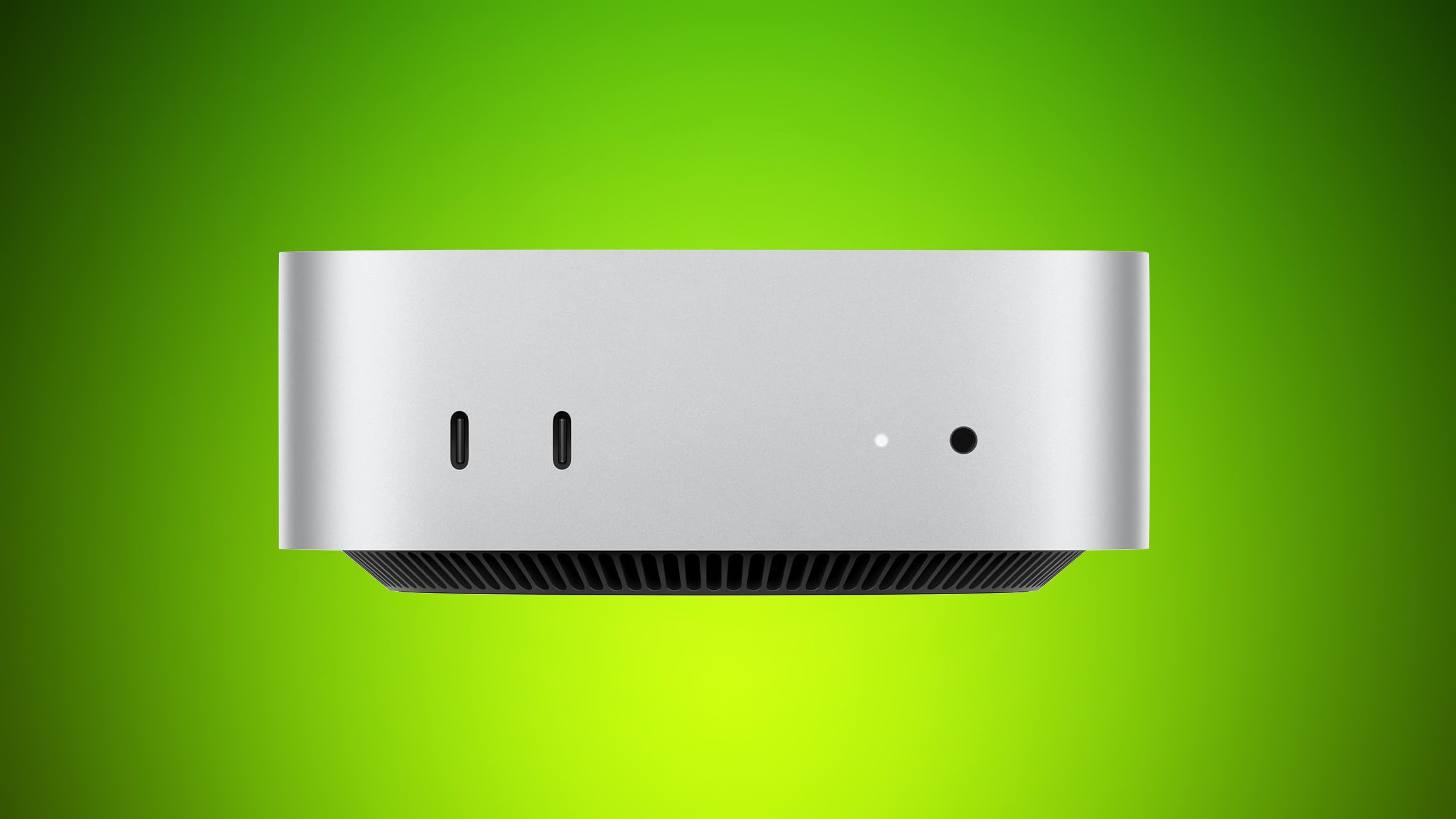
TL;DR
Apple has removed Mac Studio and Mac mini configurations with 32GB and 64GB of RAM from its online store as a global memory shortage deepens. This is the second round of cuts in six months, signaling that the DRAM supply crunch is now affecting Apple's desktop lineup directly and will shift purchasing decisions for pro users.
What Happened
Apple has quietly removed Mac Studio models with 32GB and 64GB of unified memory and Mac mini configurations with 32GB and 64GB of RAM from its online store as of Tuesday, May 5, 2026. The move follows a similar culling of higher-capacity RAM options in November 2025 and leaves only 16GB and 24GB configurations available for the Mac mini, while the Mac Studio now tops out at 128GB in its M4 Max variant—but with a gaping hole where the 32GB and 64GB tiers used to sit.
Key Facts
- Apple removed Mac Studio models with 32GB and 64GB of unified memory and Mac mini models with 32GB and 64GB of RAM from its online store on May 5, 2026.
- This is the second round of memory configuration cuts in six months, following the removal of 128GB and 192GB options from the Mac Pro and Mac Studio in November 2025.
- The Mac mini now only offers 16GB and 24GB of unified memory, eliminating the only configurations suitable for heavy virtual machine workloads or large dataset processing.
- The Mac Studio retains 128GB as its maximum option in the M4 Max configuration, but the 32GB and 64GB tiers—popular among video editors and developers—are gone.
- The global DRAM shortage, driven by Samsung, SK Hynix, and Micron prioritizing HBM3e memory for AI accelerators over consumer DRAM, has reduced available supply of LPDDR5X modules by an estimated 15-20% since Q1 2026, according to TrendForce.
- Apple's unified memory architecture uses custom-packaged DRAM that cannot be upgraded after purchase, making these cuts permanent for the current generation of desktop Macs.
- Third-party resellers like B&H Photo and Adorama have already reported depleted stock of the discontinued configurations, with no restock dates available.
Breaking It Down
The removal of 32GB and 64GB options from the Mac mini and Mac Studio represents a fundamental shift in Apple's desktop strategy. For years, the Mac mini served as an entry-level pro machine—developers, photographers, and small studios relied on the 32GB configuration to run multiple virtual machines, compile code, or handle large Lightroom catalogs. The Mac Studio's 64GB tier was the sweet spot for video editors working with 4K timelines in Final Cut Pro and DaVinci Resolve. By cutting these tiers, Apple has effectively forced users who need more than 24GB to jump directly to the Mac Studio's 128GB option—a price leap of roughly $1,200 to $1,800 depending on the chip configuration.
24GB is now the maximum memory available in the Mac mini—a machine that starts at $599 but now cannot run a single large Docker container cluster or a 4K video edit with multiple effects layers without hitting swap.
This is not a supply chain hiccup; it is a structural reallocation. The DRAM industry is in the middle of a historic pivot. Samsung and SK Hynix reported in their Q1 2026 earnings calls that over 60% of their DRAM wafer output is now dedicated to HBM3e and HBM4 memory for AI data centers, up from roughly 35% a year ago. Consumer LPDDR5X—the type Apple uses in its unified memory—has seen its allocation slashed. The result is that Apple cannot secure enough high-capacity modules to offer a full range of configurations without either raising prices dramatically or delaying shipments. The company chose to cut SKUs instead.
The timing is particularly damaging for Apple's pro desktop lineup. The Mac Studio was refreshed in March 2026 with the M4 Max and M4 Ultra chips, and the Mac mini with the M4 and M4 Pro arrived in October 2025. Both are relatively new products that should be in their prime selling window. Instead, Apple is retreating from the very configurations that define them as professional tools. A developer who needs 64GB for local AI model testing or a video editor who needs 64GB for 8K proxy workflows now has exactly one option: the Mac Studio with 128GB at $3,999 or more. There is no mid-range.
What Comes Next
-
Watch for Apple's next product cycle. The M5 Mac mini and M5 Mac Studio, expected in late 2026 or early 2027, may introduce a new memory packaging technology—possibly using LPDDR6 or a hybrid approach—to restore high-capacity options. If the DRAM shortage persists, Apple may skip 32GB and 64GB entirely and launch with 16GB, 24GB, 96GB, and 128GB as the new standard tiers.
-
Expect third-party upgrade solutions to emerge. Companies like OWC and iFixit have historically offered Mac Pro memory upgrades. While Apple's unified memory is soldered, the Mac mini and Mac Studio use removable modules in some configurations. If the shortage continues, expect a gray market for high-capacity modules or third-party repair shops offering soldered memory upgrades—though Apple's warranty and software locks will complicate this.
-
Pro users will accelerate their move to Mac Pro or cloud workstations. The Mac Pro with M4 Ultra still offers 192GB and 256GB options for now, but those too were cut from 384GB and 512GB in November 2025. If Apple continues this trend, high-end users may shift to AWS, Azure, or on-premise PC workstations with standard DIMM slots, where 64GB and 128GB kits are still widely available.
-
Apple's next earnings call on July 28, 2026, will reveal the financial impact. If Mac revenue dips in Q3 2026, particularly in the "Pro" segment, analysts will scrutinize whether memory constraints are driving customers away. Tim Cook may be asked directly about DRAM allocation and whether Apple is exploring alternative memory suppliers or custom silicon solutions.
The Bigger Picture
This story sits at the intersection of two powerful trends: AI Hardware Dominance and Consumer Product Cannibalization. The DRAM industry's pivot to HBM memory is a direct consequence of the AI boom—every major hyperscaler is buying every HBM module they can get, and memory manufacturers are happy to sell at 2-3x the margin of consumer DRAM. Apple, which designs its own chips but relies on the same DRAM wafer supply as everyone else, is being squeezed out of the high-capacity consumer market. This is not a temporary blip; it is a structural reallocation of global memory production that will last at least through 2027.
The second trend is Product Tier Contraction. Apple has historically offered a wide range of memory configurations to serve everyone from students to film studios. But as the company faces component shortages and rising costs, it is collapsing those tiers. The Mac mini now serves only light pro users. The Mac Studio is becoming a high-end-only machine. The Mac Pro is the sole option for serious work—and even it has been cut. This creates a dangerous gap in Apple's lineup: the "prosumer" sweet spot at $2,000–$3,500 is disappearing, and competitors like Dell's XPS line, Lenovo's ThinkPad P series, and Framework's upgradeable laptops are happy to fill it.
Key Takeaways
- Second Round of Cuts: Apple has removed 32GB and 64GB RAM options from the Mac mini and Mac Studio—the second such reduction in six months, following the November 2025 removal of 128GB and 192GB tiers from the Mac Pro and Mac Studio.
- DRAM Shortage Root Cause: The global DRAM shortage is driven by Samsung, SK Hynix, and Micron prioritizing HBM3e memory for AI data centers over consumer LPDDR5X, reducing Apple's supply of high-capacity modules by 15-20%.
- Pro User Impact: Developers, video editors, and researchers who need 32GB or 64GB now face a $1,200–$1,800 price jump to the Mac Studio's 128GB tier, with no mid-range option available.
- Structural Shift, Not a Blip: This is not a temporary supply chain issue—it reflects a permanent reallocation of global DRAM production toward AI hardware that will persist through at least 2027, forcing Apple to rethink its desktop memory strategy.


