TL;DR
Apple is targeting a "late 2027" launch for its first smart glasses, according to Bloomberg's Mark Gurman, positioning the device as a direct competitor to Meta's Ray-Ban smart glasses. This matters because it signals Apple's long-rumored entry into the augmented reality wearables market, a category that Meta has already commercialized with over 1 million units sold, and it will force a strategic shift in how consumers interact with digital information hands-free.
What Happened
Apple is now aiming to release its first smart glasses in "late 2027," according to the latest word from Bloomberg's Mark Gurman. The device, long speculated as "Apple Glasses," will reportedly include a suite of features designed to blend augmented reality overlays with everyday eyewear, directly challenging Meta's Ray-Ban Stories and Ray-Ban Meta smart glasses that launched in 2021 and 2023 respectively.
Key Facts
- Bloomberg's Mark Gurman reported that Apple's smart glasses are now scheduled for a "late 2027" release, marking a significant delay from earlier internal targets that had the device launching as early as 2025.
- The glasses are expected to feature augmented reality (AR) capabilities, including heads-up displays for notifications, navigation, and information overlays, powered by a custom Apple silicon chip.
- Apple is reportedly developing a dedicated operating system, likely called "realityOS" or a variant, to run the glasses, separate from watchOS and iOS.
- The device will integrate deeply with Apple's ecosystem, including seamless pairing with iPhone and AirPods, and access to Siri for voice commands.
- Meta's Ray-Ban Meta smart glasses, launched in October 2023, have sold over 1 million units as of early 2025, proving consumer demand for the form factor.
- Apple's glasses are expected to weigh under 100 grams to ensure all-day comfort, a critical engineering challenge for AR eyewear.
- The 2027 launch window aligns with Apple's typical pattern of entering a market after competitors have validated the category, similar to its moves with the iPhone, iPad, and Apple Watch.
Breaking It Down
Apple's decision to target late 2027 is a strategic pivot from its earlier ambitions. The company originally envisioned a standalone AR headset as a precursor to glasses, but the Apple Vision Pro, launched in February 2024 at $3,499, sold fewer than 500,000 units in its first year—a fraction of the 10 million units Apple initially projected. That underwhelming performance forced a recalibration. The glasses, by contrast, are expected to be priced competitively with Meta's Ray-Ban Meta, which starts at $299, making them a mass-market device rather than a niche prosumer product.
$299 vs. $3,499: The price gap between Meta's Ray-Ban smart glasses and Apple's Vision Pro headset illustrates why Apple is pivoting to glasses—a $299 device can sell in the tens of millions, while a $3,499 headset struggles to break 500,000 units.
The engineering hurdles are immense. Apple must miniaturize the M-series chip or a custom variant into a glasses frame while maintaining battery life for at least 8 hours of mixed use. The display technology—likely micro-OLED or LCoS (Liquid Crystal on Silicon)—needs to be bright enough for outdoor use yet small enough to fit in a temple arm. Apple is also reportedly developing a camera system with multiple lenses for spatial computing and object recognition, similar to the LiDAR scanner on iPad Pro and iPhone Pro models.
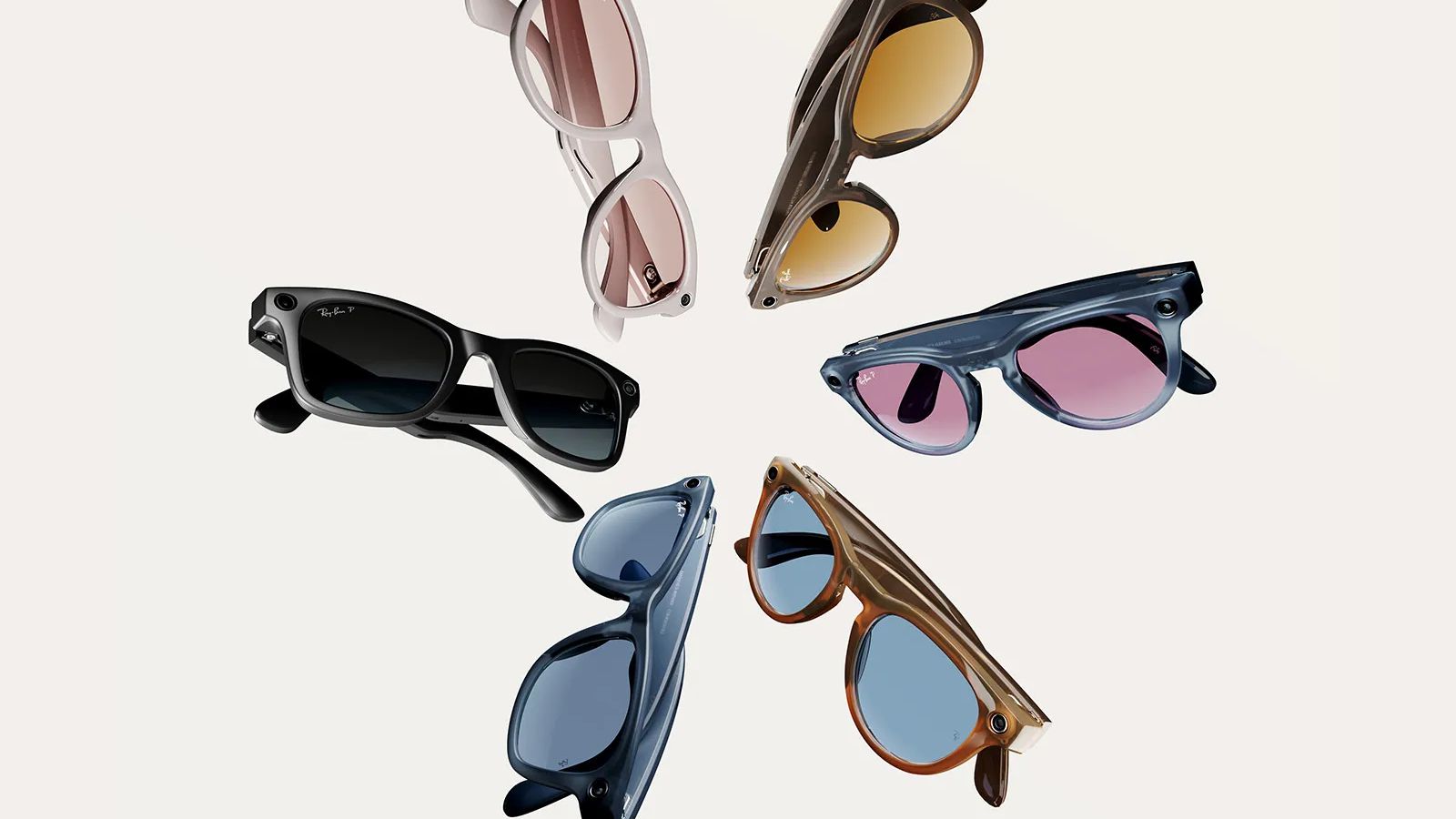
The competitive landscape is already moving. Meta's Ray-Ban Meta glasses, co-developed with EssilorLuxottica, now include AI-powered visual search, live translation, and hands-free video recording in a frame that looks nearly identical to normal Ray-Ban Wayfarers. Meta has sold over 1 million units and is reportedly working on a second-generation model with a built-in display for 2026. Apple's late 2027 entry means Meta will have a four-year head start in consumer adoption and software ecosystem development.
What Comes Next
- Apple's WWDC 2027: Apple is likely to preview the glasses' operating system at its Worldwide Developers Conference in June 2027, offering developers beta access to the realityOS SDK and tools for building AR experiences. This will be the first public confirmation of the platform.
- Meta's countermove: Expect Meta to launch its Ray-Ban Meta Gen 3 in late 2026 or early 2027, likely with a built-in display, improved AI, and a lower price point to preempt Apple's entry.
- Supply chain ramp: Key component suppliers—Sony (micro-OLED displays), TSMC (custom chips), and Luxshare (assembly)—will begin production in Q2 2027, with leaks and analyst reports confirming specs and pricing.
- Regulatory and privacy scrutiny: The glasses' always-on cameras and microphones will face GDPR and CCPA compliance challenges in Europe and California, potentially delaying or altering launch features.
The Bigger Picture
This story sits at the intersection of three major technology trends: Spatial Computing, Wearable AI, and Post-Smartphone Interfaces. Spatial computing, as pioneered by Microsoft HoloLens and Magic Leap, aims to overlay digital information onto the physical world. Apple's glasses represent the consumerization of this technology, moving it from enterprise and gaming into everyday life. Wearable AI, driven by OpenAI's ChatGPT and Google's Gemini, is already being embedded into glasses by Meta and others, enabling real-time translation, visual search, and contextual assistance. Apple's deep integration with Siri and its on-device AI processing will be a key differentiator.
The post-smartphone interface is the most ambitious trend. Apple's glasses are designed to reduce dependency on the iPhone by offloading notifications, calls, and navigation to the glasses. If successful, this could be the first step toward a world where the smartphone becomes a background device—a shift as profound as the move from feature phones to smartphones. However, the glasses must first overcome the "glasshole" stigma—the social awkwardness of wearing cameras and displays in public—a challenge that Meta is already addressing with stylish Ray-Ban designs.
Key Takeaways
- [Late 2027 Target]: Apple's smart glasses are now scheduled for a late 2027 launch, according to Bloomberg's Mark Gurman, a significant delay from earlier 2025 targets.
- [Meta's Head Start]: Meta has sold over 1 million Ray-Ban Meta glasses as of 2025, giving it a four-year lead in consumer AR wearables by the time Apple launches.
- [Price as Strategy]: Apple is expected to price the glasses around $299–$499, directly competing with Meta's $299 Ray-Ban Meta, rather than the $3,499 Vision Pro.
- [Ecosystem Lock-In]: The glasses will require an iPhone for full functionality, reinforcing Apple's strategy of using wearables to deepen customer retention within its ecosystem.
