TL;DR
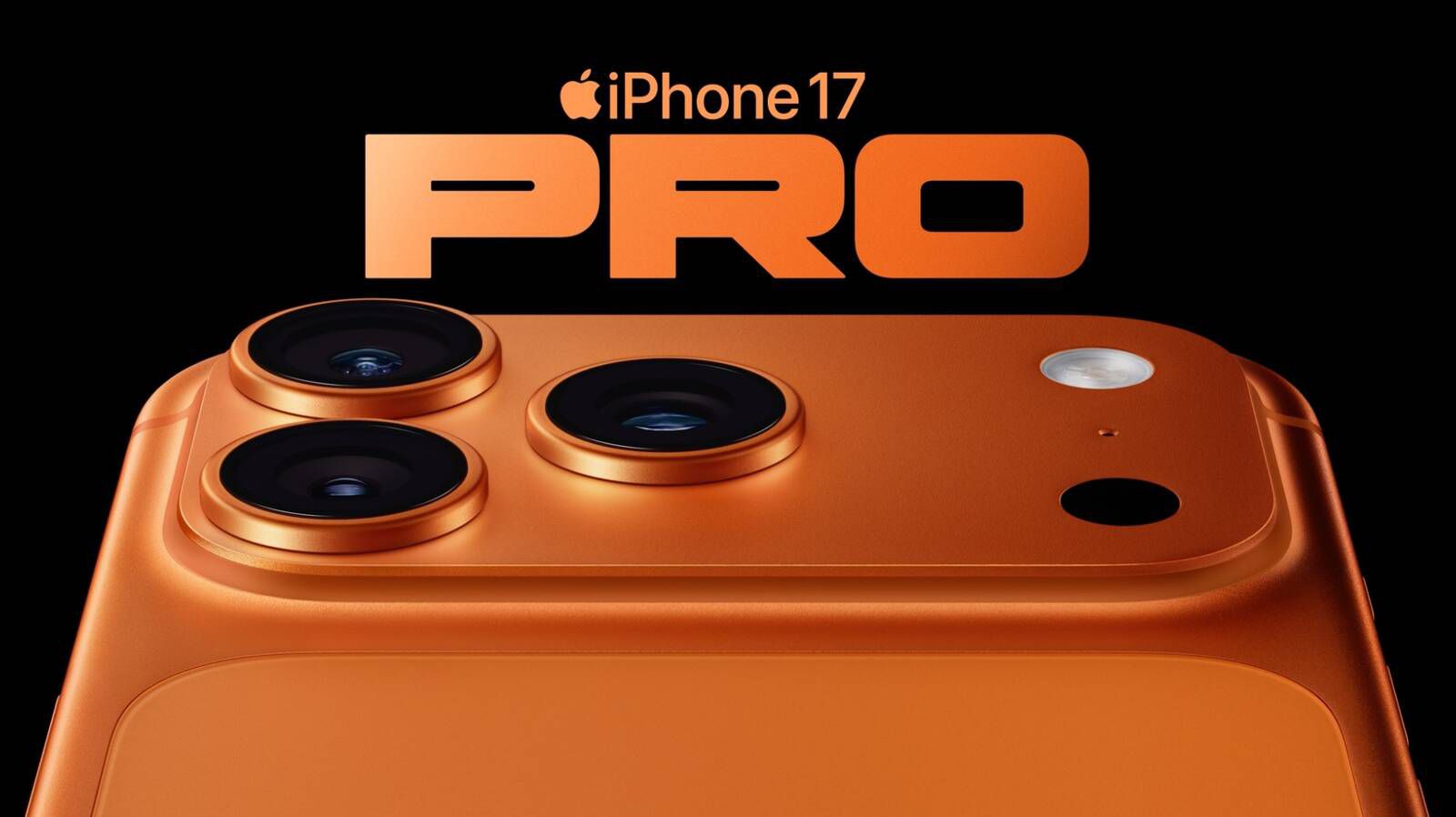
NASA astronauts aboard the Orion spacecraft used an iPhone 17 Pro Max to capture unprecedented high-resolution selfies with Earth and the Moon in the background during the Artemis II mission. This event marks the first time a consumer smartphone has been officially integrated into a deep-space mission for photographic documentation, signaling a major shift in the tools used for space exploration and a powerful marketing coup for Apple.
What Happened
On Saturday, April 11, 2026, Apple publicly showcased a series of stunning photographs taken by NASA astronauts using a standard, albeit cutting-edge, consumer device in the void of cislunar space. The images, released by Apple with NASA’s collaboration, were shot on an iPhone 17 Pro Max during the uncrewed Artemis I and the subsequent crewed Artemis II missions, demonstrating the device's capabilities in the extreme environment of deep space.
Key Facts
- The photographs were captured using an iPhone 17 Pro Max, a consumer smartphone modified with a standardized mounting bracket but using its stock camera system.
- The images were taken during NASA's Artemis II mission, the first crewed lunar flyby since Apollo 17 in 1972, which launched in late 2025.
- This represents the first official, integrated use of a commercial smartphone for photographic documentation on a deep-space mission beyond Earth orbit.
- The primary subject of the released images is a selfie of astronauts with either the receding Earth or the cratered surface of the Moon visible through the Orion spacecraft’s windows.
- Apple’s promotion coincides with the ongoing Artemis II mission, leveraging the global attention on the crew's journey around the Moon.
- The device was likely housed within the Orion crew module, protected from the vacuum of space but subjected to intense radiation and thermal cycles.
- NASA and Apple have a history of collaboration, but this marks a new phase in operational technology transfer from consumer to aerospace applications.
Breaking It Down
The release of these images is not a simple marketing stunt; it is a testament to the radical miniaturization and hardening of consumer technology. For decades, space photography required bespoke, million-dollar imaging systems engineered to withstand cosmic radiation, wild temperature swings, and launch vibrations. The iPhone 17 Pro Max, while mounted in a protective bracket, essentially performed the same core function using a camera system mass-produced for terrestrial use. This blurs the line between specialized aerospace hardware and commercial off-the-shelf (COTS) technology, suggesting that future missions could leverage consumer-grade components for non-critical systems, significantly reducing costs and development time.
The iPhone 17 Pro Max’s camera system operated successfully in an environment with temperature swings exceeding 500 degrees Fahrenheit and cumulative radiation doses that would cripple unshielded consumer electronics.
This fact underscores a silent revolution in materials science and chip design. Apple and its semiconductor partner, TSMC, have been engaged in an arms race to produce smaller, more efficient, and more powerful transistors. These advances, it appears, have yielded unexpected dividends in radiation tolerance and thermal resilience. The device’s A-series chip and image signal processor were not designed for space, but their inherent robustness—a byproduct of the demand for better performance in smartphones—has proven sufficient for short-duration, crewed missions within the protective shell of the Orion capsule. This validates a broader industry trend where the performance ceiling of consumer tech is now high enough to intersect with the baseline requirements of certain spaceflight applications.
Furthermore, this event is a masterclass in brand alignment. Apple has consistently positioned the iPhone as the world’s premier camera. By placing it literally at the farthest frontier of human exploration, the company creates an unassailable narrative of ultimate performance and reliability. NASA, in turn, benefits from the heightened public engagement that Apple’s global marketing machine can generate, helping to sustain political and financial support for the costly Artemis program. The collaboration transforms a piece of mission equipment into a cultural icon, making the grandeur of space exploration personally relatable through the same device millions use daily.
What Comes Next
The success of this experiment will catalyze several immediate developments in both the aerospace and consumer technology sectors. The integration path for consumer hardware in space is now proven, setting the stage for more ambitious implementations.
- Formalization of COTS Protocols: NASA’s Johnson Space Center and its commercial partner, Lockheed Martin (builder of the Orion spacecraft), will likely develop standardized testing and certification protocols for future consumer electronics intended for use on Artemis III and beyond. This could turn a one-off experiment into a standard practice for secondary systems.
- The "Space-Grade" Consumer Device: Watch for Apple and competitors like Samsung and Google to begin explicitly marketing the durability and imaging capabilities of their flagship devices with direct or indirect reference to this NASA usage. Specifications related to sensor performance in low-light and high-contrast environments—akin to space—will become central to marketing campaigns.
- Enhanced On-Board Documentation: The next crewed mission, Artemis III (targeting a 2028 lunar landing), will almost certainly carry updated consumer imaging technology. We can anticipate not just still photos, but high-frame-rate cinematic video shot on devices like the iPhone for public outreach and scientific documentation of surface activities.
- Regulatory and Partnership Scrutiny: The U.S. Government Accountability Office (GAO) or NASA’s Office of Inspector General may review the nature of the partnership with Apple to ensure compliance with federal endorsement regulations and to assess whether the benefits to the agency justify any perceived commercial favoritism.
The Bigger Picture
This story is a clear signal of the Democratization of Space Technology. The tools of exploration, once the sole domain of government agencies and elite contractors, are increasingly being sourced from the consumer market. Companies like SpaceX with Starlink and Planet Labs with its cube-sat constellations have already driven down the cost of access to space. Apple’s iPhone on Orion represents the next phase: the democratization of the tools within the spacecraft. This trend points toward a future where astronaut gear, habitat interfaces, and scientific instruments may share more DNA with products found in an electronics store than with those built in a clean room at JPL.
Simultaneously, it highlights the intensifying Convergence of Marketing and Monumental Engineering. Major technological milestones, whether a lunar mission or a new supercollider, now serve as dual-purpose platforms for achievement and brand storytelling. Apple’s move is a pinnacle example of this, leveraging humanity’s greatest engineering endeavor to sell smartphones. This symbiotic relationship provides private companies with unparalleled prestige and public agencies with a powerful channel for maintaining relevance and funding in a crowded media landscape. The success of this model will encourage similar partnerships, further blending the narratives of commercial innovation and public exploration.
Key Takeaways
- Consumer Tech in Extreme Environments: A standard iPhone 17 Pro Max successfully operated in deep space, proving that advanced consumer electronics now possess inherent durability that overlaps with certain aerospace requirements.
- Strategic Brand Synergy: Apple has executed a high-profile marketing campaign by aligning its product with NASA’s historic Artemis II mission, creating an powerful narrative of ultimate performance and reliability.
- Lowering the Cost of Space Exploration: The validated use of Commercial Off-The-Shelf (COTS) hardware for non-critical systems like documentation paves the way for more cost-effective technology integration in future missions.
- A New Public Engagement Tool: The visually striking, personally relatable "selfie from space" is a potent tool for NASA to maintain public and political support for its multi-billion-dollar deep-space exploration agenda.