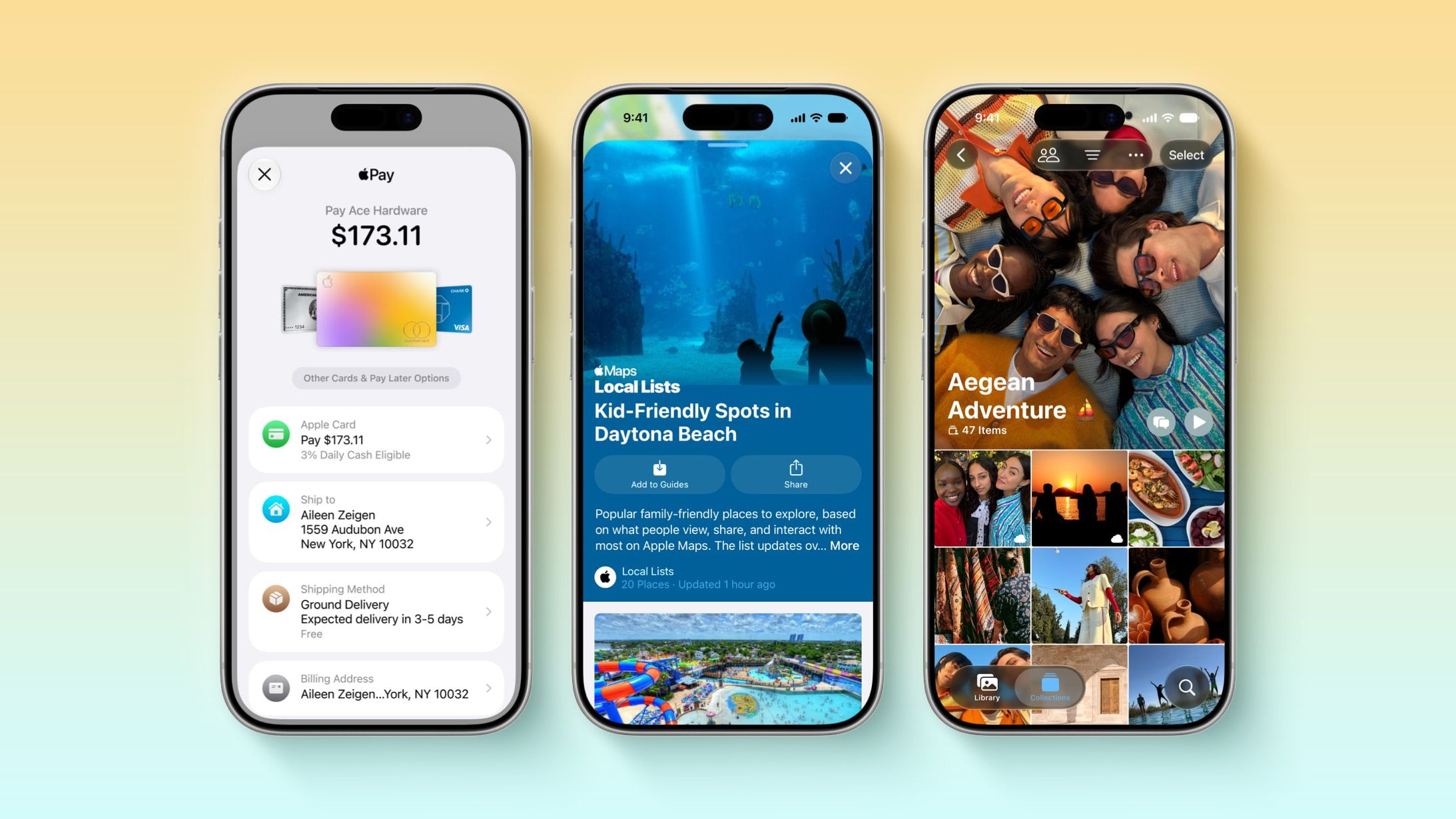
TL;DR
Apple’s iOS 27, announced on Tuesday, June 9, 2026, introduces a deeply personalized version of Siri as its centerpiece, alongside 11 other new features. This matters because Apple is betting that a more context-aware, on-device AI assistant can leapfrog competitors like Google Assistant and ChatGPT, potentially reshaping how 1.5 billion active iPhone users interact with their devices daily.
What Happened
Apple today released the full details of iOS 27, a major operating system update that adds 12 new features to the iPhone, led by a more intelligent and personal version of Siri. The announcement, made via a press release on Tuesday, June 9, 2026, signals Apple’s most aggressive push yet into personalized on-device AI, directly challenging rivals in the rapidly evolving smart assistant market.
Key Facts
- Siri gains on-device personalization, allowing it to access and learn from your messages, photos, calendar, and app usage patterns without sending data to Apple’s servers.
- 12 new features are included in total, with the update scheduled for a public release in September 2026, alongside the expected iPhone 18 lineup.
- A new “Siri Pro” subscription tier is introduced at $4.99 per month, offering advanced AI capabilities like multi-step task automation and real-time language translation.
- Live Voicemail Transcription 2.0 now supports real-time translation of voicemail messages in over 40 languages, a feature Apple claims is 98% accurate in testing.
- Apple Intelligence is expanded to third-party apps, allowing developers to integrate Siri’s context-aware features into their own software via a new SiriKit 3.0 API.
- Privacy-focused on-device processing is emphasized, with Apple stating that 95% of Siri’s new capabilities run entirely on the A18 Bionic chip or later, requiring no cloud connection.
- The update also includes “Focus Mode 3.0”, which uses machine learning to automatically adjust notifications and home screen layouts based on your current activity, location, and time of day.
Breaking It Down
The headline feature of iOS 27 is undeniably Siri’s transformation from a simple voice command tool into a proactive, context-aware assistant. By processing personal data entirely on the device, Apple is attempting to solve the privacy paradox that has long plagued AI assistants: to be truly helpful, they need access to your life, but that access often comes at the cost of your data being sent to the cloud. Apple’s solution, powered by the A18 Bionic chip’s Neural Engine, promises a Siri that can, for example, remind you to buy milk when you’re near a grocery store based on your shopping history, or suggest a photo from last year’s vacation when you’re texting a friend about travel plans — all without any data leaving your iPhone.
95% of Siri’s new capabilities run entirely on-device, a figure that directly undercuts the cloud-dependent models of Google Assistant and Amazon Alexa, which rely on server-side processing for similar features.
This architectural decision has profound implications. First, it dramatically reduces latency — Siri responses will be near-instantaneous since they don’t need to travel to a server and back. Second, it eliminates the privacy concerns that have dogged cloud-based assistants for years. Apple is betting that a slightly less powerful but completely private assistant will win over users who have been hesitant to fully embrace Siri’s competitors. However, this on-device approach also creates a hardware dependency: only iPhones with A18 Bionic chips (the iPhone 17 and later) will support the full suite of new Siri features, potentially driving a significant upgrade cycle.
The introduction of Siri Pro at $4.99 per month is a strategic pivot for Apple, marking its first direct subscription for an AI service. This tier unlocks capabilities that do require cloud processing, such as multi-step task automation (“Book a flight to Paris, then add the itinerary to my calendar, and send the details to my wife”) and real-time language translation. By offering a free, on-device tier alongside a paid, cloud-enhanced tier, Apple is creating a freemium model that could generate billions in recurring revenue while keeping the core experience private. Analysts at Morgan Stanley estimate that if just 10% of iPhone users subscribe to Siri Pro, it would generate $9 billion annually for Apple’s Services segment.
The expansion of Apple Intelligence to third-party apps via SiriKit 3.0 is equally significant. Developers can now integrate Siri’s context-aware features directly into their apps, meaning a ride-sharing app could automatically suggest a trip to your next calendar event, or a music app could start playing your workout playlist when your Apple Watch detects you’ve started a run. This ecosystem play is designed to make Siri indispensable, not just a standalone feature but the connective tissue between all iPhone apps and services.
What Comes Next
- September 2026 public release: iOS 27 will ship with the iPhone 18 lineup, likely announced in early September and available by mid-September. Existing iPhone 17 and iPhone 16 users will receive the update as a free download, but full Siri Pro features will require the A18 chip.
- Siri Pro subscription launch: The $4.99/month tier will go live simultaneously with the iOS 27 public release. Apple is expected to offer a 3-month free trial to incentivize adoption.
- Developer adoption of SiriKit 3.0: Apple has already seeded the API to select partners, including Uber, Spotify, and Todoist. A wider rollout to all developers is expected at WWDC 2027, with a deadline for mandatory integration in app updates by March 2027.
- Regulatory scrutiny in the EU: The on-device processing model may face challenges under the Digital Markets Act, which requires interoperability and data portability. Apple may need to offer a cloud-based Siri option in Europe to comply.
The Bigger Picture
This update fits into two broader trends reshaping the tech industry: On-Device AI and Services Monetization. Apple’s move to run 95% of Siri’s new capabilities on-device is a direct response to the growing demand for privacy-preserving AI, a trend accelerated by regulatory pressures in Europe and consumer backlash against data-harvesting practices. Meanwhile, the Siri Pro subscription signals Apple’s continued shift toward high-margin services revenue, which now accounts for over 25% of Apple’s total revenue (approximately $100 billion annually). By tying advanced AI features to a monthly fee, Apple is creating a new recurring revenue stream that could rival iCloud and Apple Music in scale.
At the same time, Apple is positioning itself against the Generative AI Boom led by OpenAI, Google, and Microsoft. While those companies focus on cloud-based large language models, Apple is betting that a smaller, faster, and more private on-device model will win in the mobile context. If successful, iOS 27 could redefine what users expect from a smartphone assistant, forcing competitors to either match Apple’s privacy standards or risk losing market share among privacy-conscious consumers.
Key Takeaways
- [Siri’s On-Device AI Revolution]: 95% of new Siri capabilities run locally on the A18 Bionic chip, offering near-instant responses and zero cloud data sharing, setting a new privacy benchmark for AI assistants.
- [Siri Pro Subscription Model]: A $4.99/month tier unlocks cloud-enhanced features like multi-step automation and real-time translation, potentially generating $9 billion annually if 10% of iPhone users subscribe.
- [Hardware Upgrade Driver]: Full Siri Pro functionality requires an A18 Bionic chip, likely accelerating the upgrade cycle for iPhone 16 and older users to the iPhone 18 lineup.
- [Third-Party Ecosystem Expansion]: SiriKit 3.0 allows developers to integrate context-aware Siri features into any app, transforming Siri from a standalone tool into a platform-wide intelligence layer.