TL;DR
Apple has teased its 2026 Worldwide Developers Conference (WWDC) with the tagline "All systems glow," signaling a likely hardware-focused keynote centered on a new generation of in-house silicon and ambient display technology. The event, beginning June 8, comes as Apple faces mounting pressure to demonstrate AI differentiation against Microsoft and Google, making the hardware-software integration reveal a critical moment for the company's ecosystem strategy.
What Happened
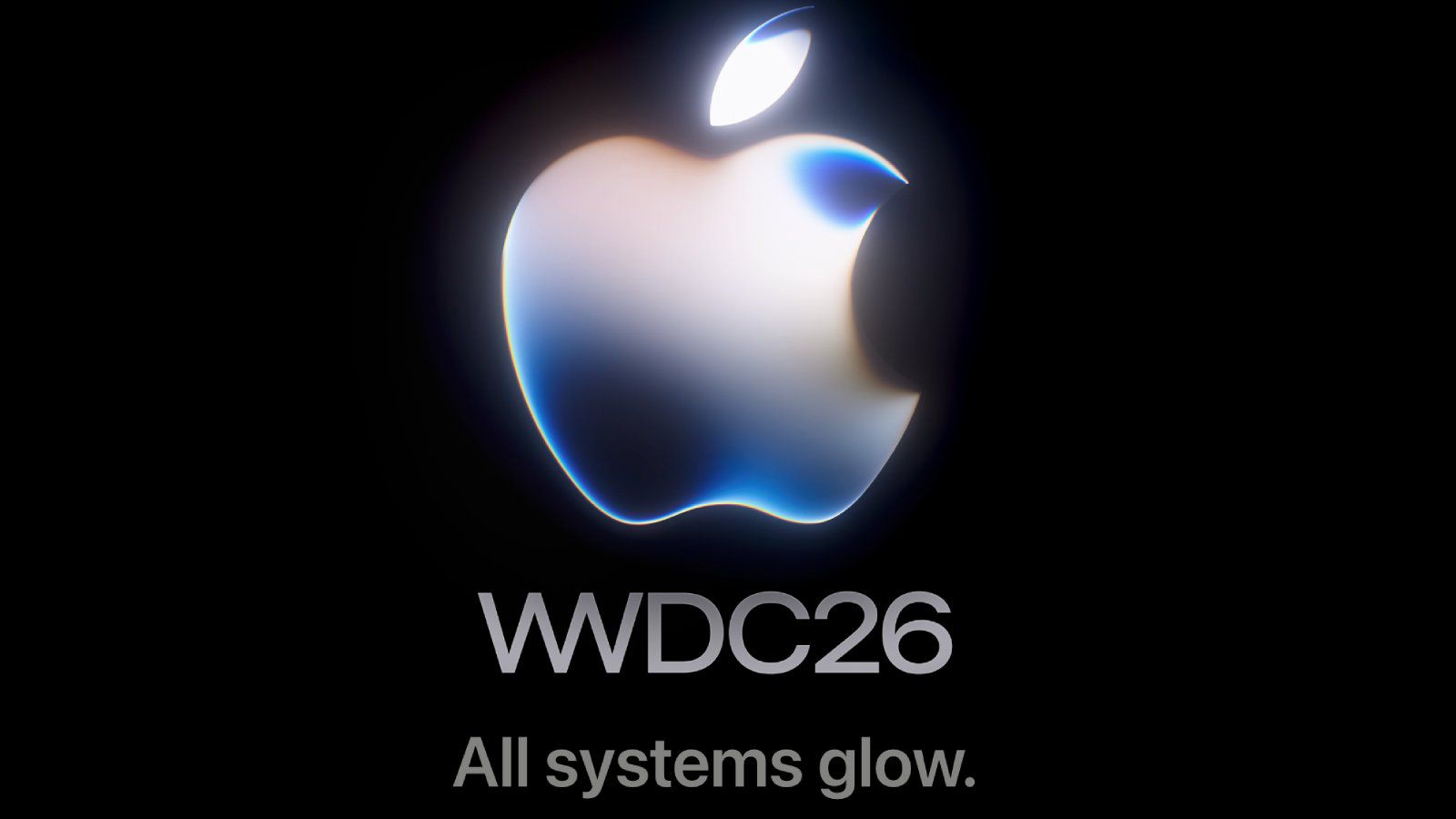
Apple officially teased its 2026 Worldwide Developers Conference (WWDC) on Monday, June 1, with a cryptic "All systems glow" tagline, confirming the annual event will kick off on June 8 at 10:00 AM PT. The teaser, published via the MacRumors report, features a luminous, gradient-lit Apple logo—a visual departure from the flat, minimalist branding of recent years—suggesting the company is preparing to showcase a new generation of hardware that integrates ambient lighting, advanced display technology, or a refreshed design language across its product lines.
Key Facts
- The WWDC 2026 keynote will take place on Monday, June 8, 2026, at 10:00 AM PT, streamed live from Apple Park.
- The tagline "All systems glow" is the first major thematic hint from Apple since "Ready. Set. Code." for WWDC 2023.
- Apple is expected to unveil iOS 20, macOS 17, watchOS 12, and visionOS 4 during the keynote.
- Multiple reports indicate Apple will debut its M5 chip family, with the M5 Ultra and M5 Max variants targeting professional MacBook Pro and Mac Studio models.
- The teaser's glowing logo has fueled speculation about a new Apple Glow design language, potentially involving OLED panels on MacBook lids or ambient LED strips on future accessories.
- Apple's AI strategy, branded as "Apple Intelligence," is expected to receive a major update, including deeper integration of on-device large language models (LLMs) and a new Siri 3.0 architecture.
- The conference will also likely feature the first public beta of visionOS 4, bringing spatial computing features to a broader developer audience.
Breaking It Down
The "All systems glow" tagline is Apple's most aggressive hardware teaser for a WWDC keynote in years. Historically, Apple uses WWDC to focus on software, with hardware announcements reserved for September or October events. The last time Apple made hardware the centerpiece of a WWDC keynote was in 2023 with the Vision Pro reveal. By signaling a "glow" theme, Apple is explicitly telling developers and investors that this year's event is about more than just code—it's about the physical devices that will run that code.
Apple's M5 Ultra chip is expected to deliver a 40% improvement in multi-core performance over the M4 Ultra, according to leaked Geekbench 6 benchmarks, placing it in direct competition with NVIDIA's RTX 6000 Ada workstation GPUs for AI inference workloads.
This performance leap is critical for Apple's AI ambitions. The M5 series is built on a 3-nanometer+ process from TSMC, featuring a redesigned neural engine with 64 cores—double the M4's count. This allows Apple to run larger on-device LLMs without cloud dependency, a key differentiator against Microsoft's Copilot+ initiative, which relies on hybrid cloud-edge processing. If Apple can demonstrate real-time, on-device generative AI for tasks like video editing, code completion, and image creation, it could shift the AI narrative from "who has the best chatbot" to "who has the best integrated hardware-software AI experience."
The "glow" visual also points toward a new industrial design language. Apple has been exploring OLED and microLED display technologies for years, and a "glowing" MacBook lid—similar to the Touch Bar concept but covering the entire lid—could serve as a second display for notifications, widgets, and AI-driven contextual information. This would align with Apple's rumored "Project Athena" initiative, which aims to make all Apple devices "ambiently aware" of their surroundings and user context.
What Comes Next
The WWDC 2026 keynote is only the beginning of a multi-month rollout cycle. Here is what to watch for in the immediate aftermath:
- June 8, 2026 – Keynote Day: Apple will present iOS 20, macOS 17, watchOS 12, and visionOS 4. The M5 chip family is expected to be the headline hardware announcement, likely in a new MacBook Pro 14-inch and 16-inch, alongside a refreshed Mac Studio. Watch for a "one more thing" moment—possibly a new Apple Glow accessory category.
- June 10–12, 2026 – Developer Sessions: Apple will release the first developer betas for all major operating systems. The Apple Intelligence API documentation and sample code will be critical for third-party developers to integrate on-device AI features. Expect detailed sessions on the new neural engine architecture.
- July 2026 – Public Beta Release: Apple typically releases public betas of iOS, macOS, and watchOS in July. This is when the "All systems glow" hardware features—if they are software-dependent—will become testable by a wider audience.
- September 2026 – iPhone 18 Launch: The iPhone 18, expected to feature the A20 chip and a new OLED panel with variable refresh rate down to 1Hz, will be the first consumer device to fully leverage the AI capabilities previewed at WWDC. Apple's ability to ship on time will be a key indicator of supply chain health.
The Bigger Picture
This WWDC sits at the intersection of two defining trends: On-Device AI and Ambient Computing. Apple is betting that the future of AI is not a cloud-based chatbot but a deeply integrated, context-aware system that runs entirely on your devices. The "glow" theme reinforces Ambient Computing—a paradigm where devices are always on, always aware, and communicate through subtle visual cues rather than intrusive notifications. This directly competes with Google's "Ambient Computing" vision for Android and Samsung's "SmartThings" ecosystem, but Apple's advantage is its vertically integrated hardware, from chip design to operating system.
The second trend is Chip Independence. By designing its own M-series and A-series chips, Apple can optimize for specific AI workloads without waiting for Intel, AMD, or Qualcomm to deliver new silicon. The M5 Ultra's neural engine represents a direct challenge to NVIDIA's CUDA dominance in the AI workstation market. If Apple can convince developers to target its unified memory architecture, it could pull a significant portion of the AI development community away from NVIDIA's ecosystem—a shift that would have profound implications for the entire tech industry.
Key Takeaways
- [Hardware Focus]: WWDC 2026 is a hardware-first event, with the M5 chip family and a new "Apple Glow" design language taking center stage alongside software updates.
- [AI Differentiation]: Apple's on-device AI strategy, powered by a redesigned 64-core neural engine in the M5 Ultra, aims to outflank Microsoft and Google by eliminating cloud dependency.
- [Ambient Computing Push]: The "glow" tagline signals a new product design philosophy focused on ambient, always-on displays and contextual awareness across all Apple devices.
- [Developer Ecosystem Shift]: The release of Apple Intelligence APIs and the M5's performance benchmarks will determine whether Apple can attract AI developers away from NVIDIA and Microsoft's platforms.
