TL;DR
Take-Two Interactive CEO Strauss Zelnick admitted that the next entry in the BioShock franchise, commonly referred to as BioShock 4, "wasted a lot of time and money" on failed prototypes and dead-end development paths. However, Zelnick now says he is "feeling a lot better" about the project's current direction, suggesting a recent pivot or reboot has finally found a viable creative vision.
What Happened
Take-Two Interactive CEO Strauss Zelnick acknowledged during a recent investor call that BioShock 4—the long-in-development next installment of the acclaimed steampunk horror shooter franchise—has squandered significant resources on "dead ends" during its protracted development cycle. Zelnick’s candid admission comes as the project, officially helmed by developer Cloud Chamber Studios since its founding in 2019, has missed multiple internal deadlines and consumed tens of millions of dollars without a public release date or gameplay reveal.
Key Facts
- Take-Two Interactive acquired the BioShock intellectual property from 2K Games in 2019 and founded Cloud Chamber Studios specifically to develop the next mainline entry.
- Strauss Zelnick stated the project "wasted a lot of time and money" on dead-end prototypes that failed to meet quality or creative benchmarks.
- The CEO added that he is now "feeling a lot better" about the game's direction, implying a recent creative reset or leadership change has refocused development.
- BioShock 4 has been in active development for approximately seven years since Cloud Chamber's formation, with no official title, gameplay footage, or release window announced.
- The previous BioShock game, BioShock Infinite, launched in March 2013—meaning the franchise gap will exceed 13 years by the earliest plausible release date.
- 2K Games previously closed Irrational Games (the original BioShock developer) in 2014, transferring the franchise to new studios.
- The game's development has reportedly gone through multiple creative directors and design overhauls, a common pattern in AAA game development that often signals scope creep and executive indecision.
Breaking It Down
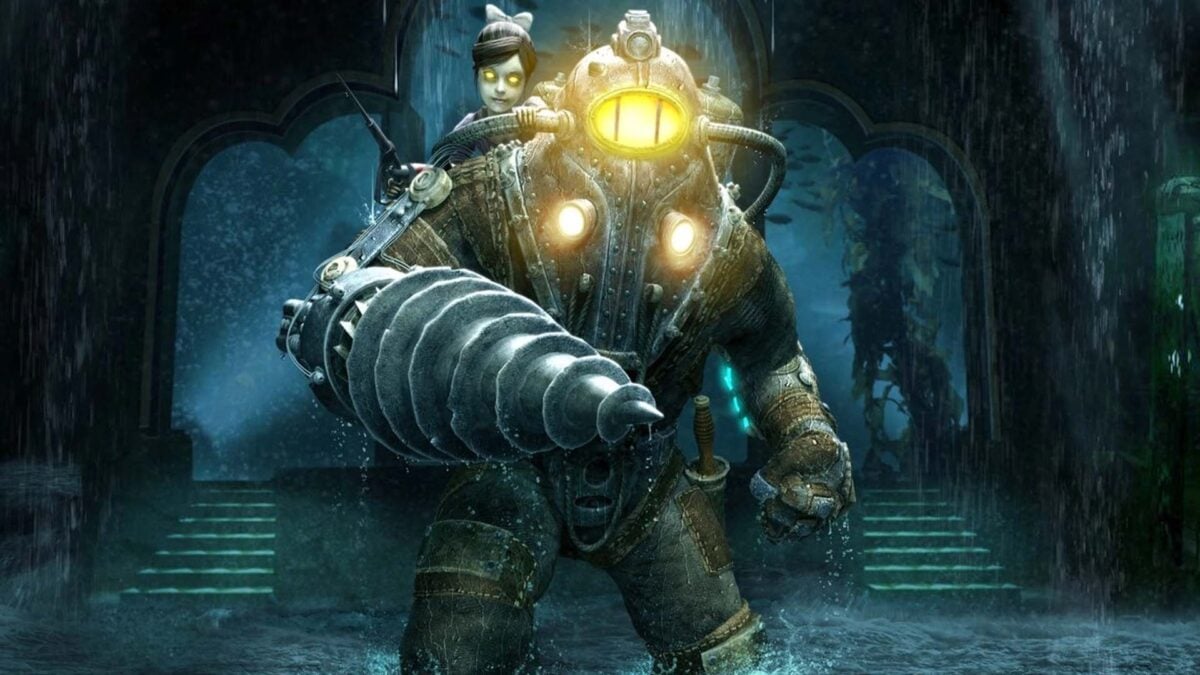
The core challenge for BioShock 4 is not technical capability but creative identity. The original BioShock (2007) and its sequel (2010) were defined by their underwater dystopia of Rapture—a tightly constrained, art-deco hell that felt both claustrophobic and revolutionary. BioShock Infinite (2013) broke that mold with the floating city of Columbia, a vibrant but violent skyborne society. The franchise's DNA is built on narrative-driven worldbuilding, philosophical themes (objectivism, American exceptionalism), and emergent gameplay via plasmids and vigors. A fourth game must either return to Rapture, invent a new city, or risk alienating a fanbase that has waited over a decade.
"Seven years of development, multiple creative directors, and tens of millions of dollars spent with nothing to show for it—BioShock 4 is a textbook case of AAA sequel paralysis."
This paralysis stems from a fundamental tension: Take-Two expects a blockbuster return on investment for a franchise that, while critically beloved, never sold at the scale of Grand Theft Auto or Call of Duty. BioShock Infinite sold roughly 4 million copies in its first year—respectable, but not enough to justify the kind of open-world, live-service pivot that many publishers now demand. Zelnick's admission of "dead ends" suggests Cloud Chamber was likely pressured to explore trend-chasing mechanics (battle royale, survival crafting, multiplayer) that clashed with the series' single-player, narrative-first identity. The fact that Zelnick now feels "a lot better" indicates those experiments have been abandoned, and the team has returned to a core BioShock formula—likely a new, immersive city with a distinct political or philosophical conceit.
The wasted time and money also reflect a broader industry dysfunction: studio formation from scratch. Cloud Chamber was built from the ground up in 2019, rather than inheriting an existing team with BioShock experience. This forced years of hiring, culture-building, and technical foundation-laying before any creative work could begin. Meanwhile, the original Irrational Games veterans scattered across the industry—many to studios like Ghost Story Games (led by Ken Levine) or Obsidian Entertainment. The result is a BioShock game being made by a team that, with few exceptions, has never shipped a BioShock title before.
What Comes Next
The most immediate question is whether Zelnick's optimism translates into a concrete reveal. Take-Two's fiscal calendar and investor expectations will drive the timeline. Here are four specific things to watch:
- A formal title and gameplay reveal at Summer Game Fest (June 2026) or The Game Awards (December 2026). A 2027 release window is the most plausible scenario if the current development path is stable.
- Take-Two's next quarterly earnings call (August 2026). Zelnick will likely face follow-up questions about BioShock 4's budget, team size, and whether the "dead ends" have been fully resolved.
- **A potential rebranding or subtitle reveal. The "BioShock 4" moniker is placeholder; a final title like "BioShock: [New City Name]" will signal the game's setting and thematic direction.
- Key creative leadership departures or hires. If Cloud Chamber announces a new narrative director or game director in the next six months, it will indicate further restructuring. If current leadership stays, the project likely has stable vision.
The Bigger Picture
This story is a microcosm of two broader trends in the video game industry. Trend 1: The AAA Sequel Trap. Publishers like Take-Two, Electronic Arts, and Ubisoft are increasingly reluctant to greenlight single-player, linear sequels for older IPs unless they can be "expanded" into live-service or open-world formats. BioShock 4's development hell mirrors the struggles of Perfect Dark (The Initiative), Skull & Bones (Ubisoft), and Suicide Squad: Kill the Justice League (Rocksteady)—all projects that spent years chasing market trends before pivoting back to core identity.
Trend 2: Studio-From-Scratch Risk. Cloud Chamber's founding mirrors Xbox's The Initiative (founded 2018, still no Perfect Dark release) and CD Projekt Red's Boston studio (founded 2022 for Cyberpunk 2077 sequel). Building a AAA studio from zero—rather than acquiring an experienced team—introduces massive delays, cultural friction, and institutional knowledge gaps. Take-Two's decision to start fresh rather than buy an existing studio like Hangar 13 (Mafia) or Firaxis (Civilization) has directly contributed to the "wasted time and money."
Key Takeaways
- [Development Waste]: BioShock 4 burned years and millions of dollars on failed prototypes, confirming that Take-Two's "start from scratch" strategy for Cloud Chamber was inefficient and costly.
- [Creative Pivot]: Zelnick's improved confidence suggests Cloud Chamber has abandoned trend-chasing experiments and returned to a single-player, narrative-focused BioShock formula.
- [Release Timeline]: No official release date exists, but a 2027 launch is the earliest plausible window, meaning the franchise gap will stretch to 14 years.
- [Industry Pattern]: BioShock 4's struggles are part of a broader AAA trend where publishers waste resources on dead-end prototypes before rediscovering a franchise's core identity.