TL;DR
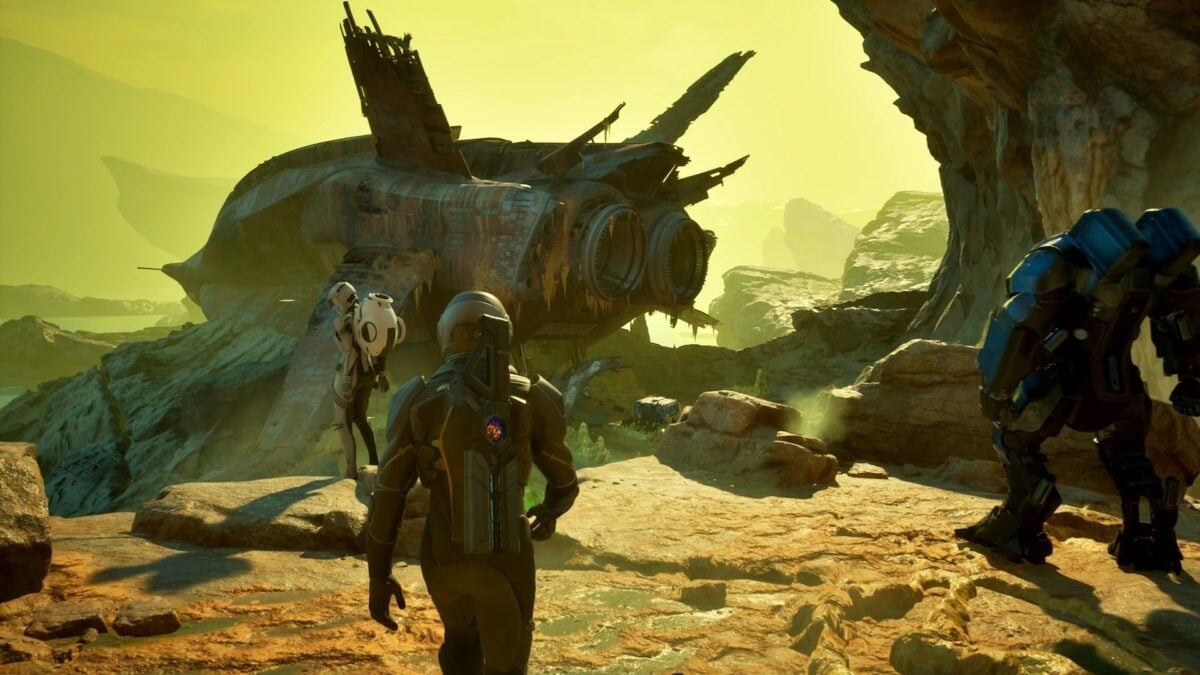
Veteran BioWare designer James Ohlen has revealed that leading development on the new sci-fi RPG Exodus was so physically and mentally demanding that it "nearly killed him," underscoring the extreme toll that AAA game development can take on even the most experienced creators. This revelation comes as the industry grapples with widespread burnout and studio closures, making Ohlen's case a stark warning about the unsustainable pressures in modern game production.
What Happened
In an interview with Kotaku, James Ohlen — the legendary BioWare writer behind Baldur's Gate, Knights of the Old Republic, and Dragon Age: Origins — stated that the process of building Archetype Entertainment and shipping its debut title, the sci-fi RPG Exodus, was so grueling that it "nearly killed him." Ohlen, who left BioWare in 2018 after 22 years, described a period of severe physical and mental health decline during the game's development, culminating in a breaking point that forced him to step back from his role as studio head.
Key Facts
- James Ohlen co-founded Archetype Entertainment in 2019 under Wizards of the Coast, with the goal of creating a new narrative-driven sci-fi RPG.
- The studio's first game, Exodus, was officially announced at The Game Awards in December 2023, drawing comparisons to Mass Effect due to its emphasis on player choice and branching storylines.
- Ohlen revealed that the stress of managing a 200-person team, meeting publisher expectations, and delivering a AAA-quality title led to "debilitating anxiety" and "physical exhaustion" that required medical intervention.
- The designer stated that he "almost had a heart attack" during a particularly intense production crunch period in mid-2024, prompting him to reduce his workload and eventually transition out of the CEO role.
- Archetype Entertainment is a subsidiary of Hasbro (via Wizards of the Coast), which invested over $100 million into the studio and Exodus — one of the largest bets on a new IP in recent years.
- Ohlen's departure from day-to-day leadership was announced internally in January 2025, though he remains attached to the project as a creative consultant.
- The game is currently slated for a late 2026 release on PC, PlayStation 5, and Xbox Series X/S, with a marketing campaign set to ramp up later this year.
Breaking It Down
Ohlen's confession is not merely a personal anecdote — it is a data point in an ongoing crisis. The "nearly killed me" framing is deliberately stark, but the numbers back up the severity. According to a 2024 survey by the International Game Developers Association (IGDA), 67% of game developers reported experiencing symptoms of burnout, and 13% said they had considered leaving the industry entirely due to health concerns. Ohlen, a 25-year veteran who helped define the modern RPG, is not an outlier; he is a canary in the coal mine.
Ohlen's case is particularly striking because he was not a junior employee overworked by a faceless corporation — he was the founder and CEO of his own studio, with significant creative control and a massive budget from Hasbro. If even someone in his position can be driven to the brink, it suggests that the problem is not simply bad management, but the fundamental structure of AAA game development itself.
The "crunch culture" that has plagued the industry for decades is often blamed on corporate pressure from publishers like Electronic Arts or Activision. But Ohlen's story reveals a more insidious dynamic: even well-intentioned founders, driven by passion and the desire to create something great, can become their own worst taskmasters. The $100 million+ budget for Exodus meant that every delay, every design pivot, and every missed milestone carried enormous financial consequences. Ohlen was not just managing a team; he was managing a bet that could make or break a major publisher's confidence in original IP.
This is also a story about the aging workforce in game development. Ohlen is 59 years old, and the physical toll of leading a high-stakes project at that age is fundamentally different from the experience of a 25-year-old designer. The industry has historically treated burnout as a young person's problem, assuming that older developers either move into management or leave. Ohlen's case shows that management itself is a path to burnout, especially when the stakes are as high as they were at Archetype.
What Comes Next
The immediate future for Ohlen and Exodus is uncertain, but several key developments are on the horizon:
- The Exodus marketing blitz: Hasbro and Archetype are expected to launch a major gameplay reveal at Summer Game Fest in June 2026, followed by a hands-on preview event for press in August. The game's commercial performance will be closely watched as a test of whether a new sci-fi RPG can succeed without a pre-existing franchise name.
- Ohlen's health and future role: Ohlen has stated he will not return to a full-time leadership role. Whether he remains as a consultant through launch — or exits entirely — will be a signal of how much creative continuity the project retains. A clean break could raise questions about the game's narrative cohesion.
- Hasbro's gaming strategy: Hasbro has been aggressively expanding its digital gaming footprint, with Exodus as its flagship. If the game underperforms or suffers from development turmoil, it could prompt a strategic retreat from original IP in favor of licensed properties like Dungeons & Dragons and Magic: The Gathering.
- Industry-wide reaction to burnout: Ohlen's interview has already sparked renewed calls for unionization and better working conditions in game development. Expect labor advocacy groups to cite his story in upcoming negotiations, particularly at studios owned by large corporate parents like Hasbro, Microsoft, and Sony.
The Bigger Picture
This story sits at the intersection of two powerful trends: the AAA indie crisis and the creator health reckoning. The AAA indie crisis refers to the growing number of mid-sized studios — like Archetype, Hazelight, and Remedy — that operate with AAA budgets and expectations but lack the institutional support of a giant like Ubisoft or Rockstar. These studios are expected to deliver blockbuster quality on a tight timeline, often with a single team that cannot absorb the pressure of a failed project.
The creator health reckoning is a broader cultural shift, seen across film, television, and music, where high-profile creators are increasingly speaking out about the physical and mental toll of their work. In gaming, this has been slower to surface because the industry has long romanticized "crunch" as a sign of dedication. Ohlen's willingness to say that a game "nearly killed him" — and to mean it literally — may help break that romanticization, forcing publishers and investors to confront the human cost of their blockbuster ambitions.
Key Takeaways
- [Health Warning]: James Ohlen's experience shows that even veteran founders with significant resources can suffer severe health consequences from AAA game development, challenging the notion that only underpaid junior staff are at risk.
- [Industry Pattern]: The "nearly killed me" narrative is not an isolated incident — it reflects a systemic burnout crisis in which 67% of developers report symptoms, according to IGDA data.
- [Financial Stakes]: Hasbro's $100 million+ investment in Exodus means the game's success or failure will have outsized consequences for the company's digital gaming strategy and for the viability of new sci-fi IP.
- [Future Impact]: Ohlen's story is likely to become a key talking point in labor discussions and unionization efforts across the gaming industry, as it provides a high-profile example of unsustainable working conditions at the leadership level.


