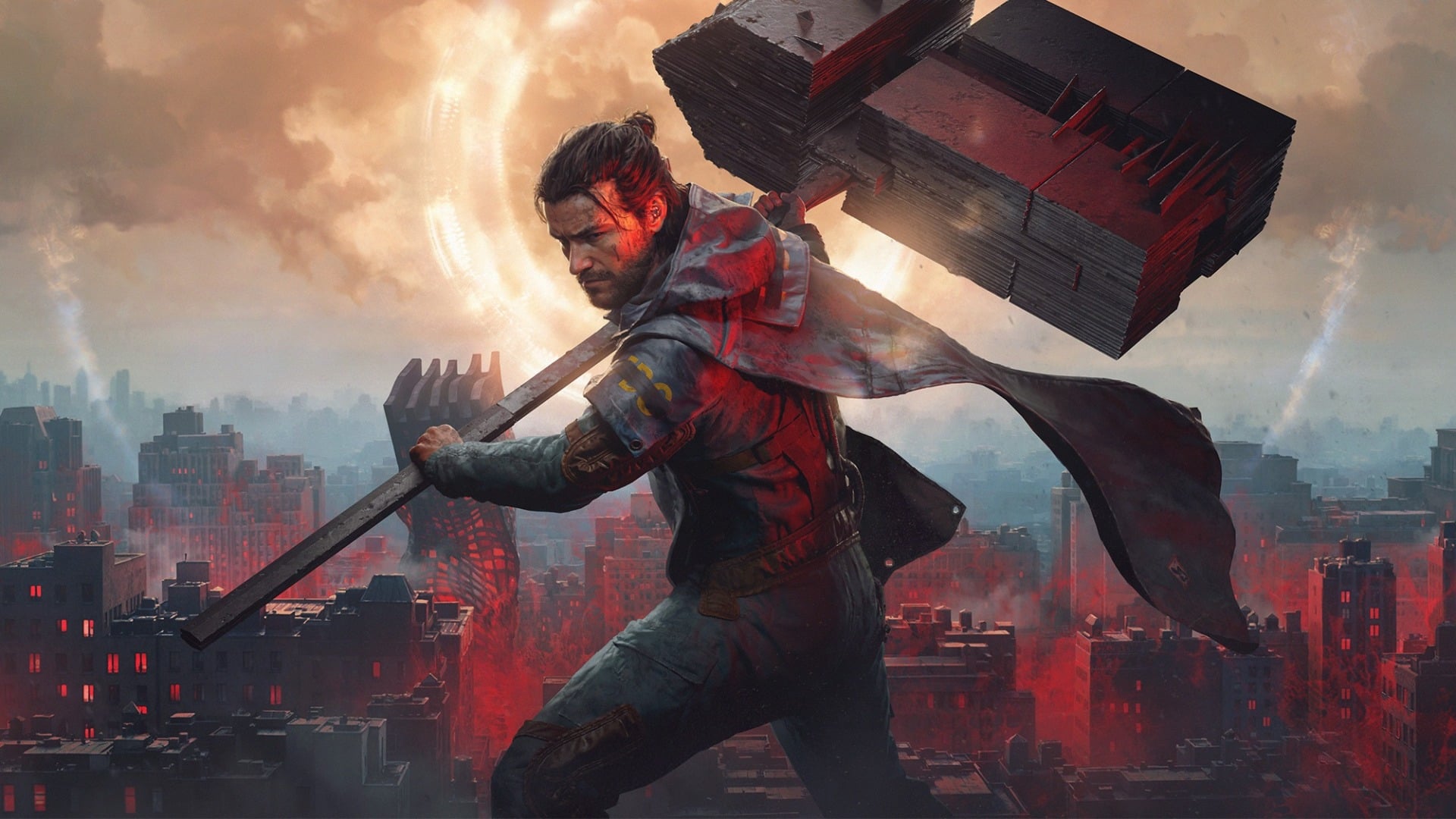
TL;DR
Remedy Entertainment’s Control Resonant transforms the studio’s signature creepypasta world-building into a more conventional action-RPG structure, trading the Metroidvania-like exploration of the original Control for loot-driven progression and skill trees. This shift matters because it signals Remedy’s strategic pivot toward broader commercial appeal while still anchoring the experience in the unsettling, document-driven narrative that defined the Alan Wake and Control universe.
What Happened
Kotaku’s hands-on preview of Remedy Entertainment’s Control Resonant reveals a decisive genre shift for the studio: the 2026 sequel to Control abandons the original’s free-form, interconnected Oldest House for a mission-based action-RPG structure built around loot drops, skill trees, and procedurally generated side content. Players still wield the Service Weapon and telekinetic powers, but the core loop now revolves around equipping gear with numerical stat bonuses and making permanent character-build decisions — a departure that will either broaden the franchise’s audience or alienate fans of the original’s tight, curated design.
Key Facts
- Control Resonant is scheduled for release in late 2026 on PlayStation 5, Xbox Series X|S, and PC, with no last-generation console versions confirmed.
- The game introduces a loot system where weapons and mods drop with randomized rarity tiers (Common, Uncommon, Rare, Epic) and stat ranges, similar to Destiny 2 or Diablo IV.
- Players unlock three distinct skill trees — Telekinesis, Control, and Service Weapon — with permanent points allocated through leveling and optional respec costs.
- The original Control (2019) sold over 3 million copies by 2022, according to Remedy’s investor reports, but was criticized by some players for its confusing map and lack of traditional RPG progression.
- Control Resonant retains the Federal Bureau of Control’s signature document-collecting side missions, with over 150 new collectible files written by Remedy’s narrative team.
- The game’s procedurally generated “Threshold” missions offer randomized enemy encounters and loot rewards, intended to extend replayability beyond the main 20–25 hour campaign.
- Remedy is using its proprietary Northlight Engine, which powered both Control and Alan Wake 2, with enhancements for dynamic lighting and destructible environments.
Breaking It Down
The most telling detail from Kotaku’s preview is not the loot system itself, but what it reveals about Remedy’s calculus: the studio is deliberately trading some of its authorial control for player agency and replay value. Control (2019) was a tightly curated experience — every room, every document, every enemy placement was intentional. The Oldest House felt like a character, not a level. Control Resonant sacrifices that intimacy for the kind of systemic depth that keeps players engaged for 100+ hours.
In Kotaku’s preview, a single “Threshold” mission yielded four weapon mods, two skill points, and one legendary-tier Service Weapon variant — more loot than the entire first two hours of the original Control offered.
This abundance is not accidental. Remedy is targeting the Destiny and Borderlands audience that demands constant reward feedback loops. The trade-off is clear: the original Control’s eerie, slow-burn discovery of Altered Items and OOPs (Objects of Power) gave way to a more gamified experience where players are encouraged to grind for better numbers. The Federal Bureau of Control’s lore remains — the documents are still there, written with the same unsettling bureaucratic tone — but they now serve as optional flavor rather than the primary driver of exploration.
The skill trees themselves reveal a deliberate simplification of Remedy’s previous power systems. In Control, Jesse Faden could unlock nearly every ability by the endgame; there was no permanent choice. Control Resonant forces players to specialize. The Telekinesis tree emphasizes crowd control and projectile damage. The Control tree focuses on enemy manipulation — mind control, confusion, debuffs. The Service Weapon tree upgrades the gun’s base forms (Grip, Shatter, Pierce, Spin) with passive bonuses. This structure mirrors BioWare’s Mass Effect skill system, where each playthrough feels distinct based on build choices — a clear signal that Remedy wants players to replay the game multiple times.
What Comes Next
The biggest unanswered question is whether Control Resonant’s genre shift will pay off commercially. Remedy Entertainment reported €50.2 million in revenue for 2025, driven largely by Alan Wake 2 sales and licensing deals. The company needs Control Resonant to expand its audience beyond the 3–5 million unit range typical of its single-player titles.
- Performance benchmarks: Watch for previews that detail frame rate stability on base PS5 and Xbox Series X — the Northlight Engine’s dynamic destructibility could cause dips in procedurally generated zones.
- Monetization model: Remedy has not announced whether Control Resonant includes microtransactions for loot boxes, cosmetic items, or skill respec tokens. A post-launch monetization plan could emerge at Gamescom 2026 in August.
- Full narrative reveal: The preview deliberately avoided story spoilers, but Remedy has teased that Control Resonant directly connects to the Alan Wake 2 “Lake House” DLC. A story trailer is expected in September 2026.
- Post-launch roadmap: Remedy confirmed a season pass with two narrative expansions, but has not detailed whether the procedural Threshold missions will receive free content updates similar to Destiny 2’s seasonal model.
The Bigger Picture
Control Resonant is the latest example of Single-Player Studios Going Live Service, a trend where traditional narrative-focused developers graft RPG progression systems onto established franchises. Sony’s God of War Ragnarök added a gear level system. Square Enix’s Final Fantasy XVI included a skill tree and crafted items. Remedy is now following this playbook, betting that Control’s world can sustain the kind of long-term engagement that Destiny 2 and Warframe have mastered.
The second trend is Creepypasta as AAA IP. The original Control drew heavily from internet folklore — the SCP Foundation, the Backrooms, and creepypasta forums. Control Resonant doubles down on this, with the Threshold missions explicitly designed to feel like exploring a new creepypasta story each time. As Remedy expands the Alan Wake/Control connected universe, it is essentially building the first major game franchise rooted in internet horror mythology — a move that could define the studio’s identity for the next decade.
Key Takeaways
- [Genre Shift]: Control Resonant moves from Metroidvania exploration to a mission-based action-RPG with loot drops, skill trees, and procedural content — a major departure from the 2019 original.
- [Loot System]: Weapons and mods now drop with randomized rarity tiers and stat ranges, mimicking Destiny 2 and Diablo IV, designed to extend replayability beyond the 20–25 hour campaign.
- [Skill Specialization]: Three distinct skill trees (Telekinesis, Control, Service Weapon) force permanent build choices, encouraging multiple playthroughs — a first for a Remedy single-player title.
- [Commercial Risk]: Remedy is betting that RPG mechanics will expand Control’s audience beyond 3–5 million units, but risks alienating fans who valued the original’s tight, curated design.


![Has your Pixel battery life improved after updating to Android 17? [Poll] - 9to5Google — technology news on Trend Pulse](https://i0.wp.com/9to5google.com/wp-content/uploads/sites/4/2026/04/Pixel-10a-battery-level-1.jpg?resize=1200%2C628&quality=82&strip=all&ssl=1)