TL;DR
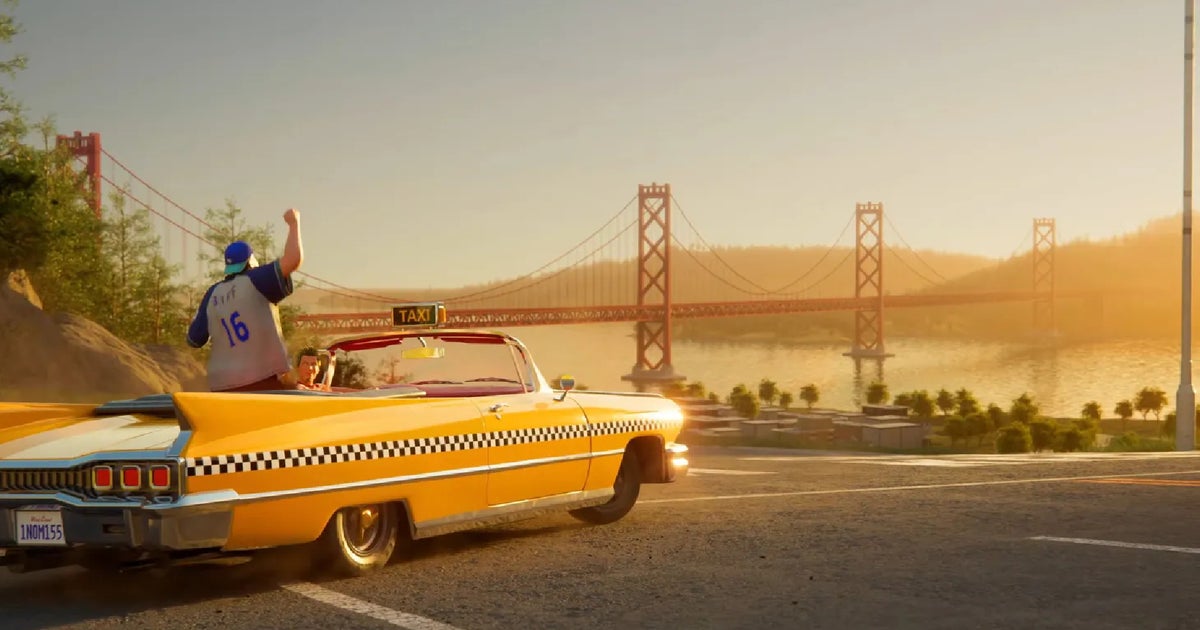
Sega announced Crazy Taxi World Tour at Summer Game Fest 2026, only to reveal hours later that the game uses generative AI for its in-game radio DJ and NPC dialogue. The backlash was immediate and intense, threatening to derail one of Sega's most anticipated revivals before a single gameplay trailer aired.
What Happened
Sega ignited a firestorm on Sunday, June 7, 2026, after confirming that its newly announced Crazy Taxi World Tour — the first major entry in the franchise in over two decades — uses generative AI for its voice acting and dialogue systems. The revelation, which came via a follow-up interview with Eurogamer just hours after the game’s Summer Game Fest debut, instantly soured the celebratory mood around one of Sega’s most hyped retro revivals. Within 90 minutes of the news breaking, the game’s official YouTube trailer had accumulated over 12,000 dislikes and the #SegaAI hashtag was trending on X (formerly Twitter) in six countries.
Key Facts
- Sega officially unveiled Crazy Taxi World Tour during Summer Game Fest 2026 on June 7, with a planned release for late 2027 on PC, PlayStation 5, Xbox Series X/S, and Nintendo Switch 2.
- The game uses generative AI to create all in-game radio DJ chatter, passenger dialogue, and environmental NPC banter, replacing traditional voice actors — a first for a major Sega franchise.
- Sega confirmed the AI system was developed in-house using a proprietary model trained on recordings from the original Crazy Taxi games (1999–2002) and licensed music snippets from the game’s iconic soundtrack.
- The announcement triggered an immediate backlash: #SegaAI trended globally on X within 90 minutes, and the game’s reveal trailer accumulated over 12,000 dislikes on YouTube in the first two hours.
- The Voice Actors Guild of America (VAGA) issued a statement within hours, calling the decision "a direct assault on working performers" and urging Sega to reverse course.
- Sega’s stock price dipped 3.2% in after-hours trading on the Tokyo Stock Exchange following the Eurogamer report, according to preliminary data from Nikkei.
- This is the first major AAA game announcement to explicitly and proudly use generative AI for core creative content, setting a precedent that industry analysts say could reshape labor negotiations across the sector.
Breaking It Down
The speed and ferocity of the backlash caught Sega off guard, but the company had every reason to anticipate it. Generative AI in game development has been a flashpoint since the 2023 SAG-AFTRA strikes over AI protections for performers. By positioning Crazy Taxi World Tour — a beloved, nostalgia-heavy franchise — as the vehicle for its AI experiment, Sega chose the worst possible test case. The original Crazy Taxi was defined by its chaotic, human-voiced radio DJ (the legendary "DJ B.D. Joe") and the off-the-cuff passenger shouts that gave the game its punk-rock energy. Replacing that with procedurally generated dialogue, no matter how sophisticated, strips the game of the very personality fans are paying to revisit.
"Sega is essentially replacing the soul of the game with a server farm," wrote one top comment on the Eurogamer article, which accumulated over 8,000 upvotes within three hours of publication. "Nobody asked for AI-generated B.D. Joe. We wanted the real guy, or at least a real human actor who could capture that same energy."
The financial math here is cold but revealing. Sega’s proprietary AI model, trained on decades-old audio, costs a fraction of what hiring a full cast of voice actors for an open-world game would require. Industry estimates suggest a game of Crazy Taxi World Tour’s scale — with procedurally generated passenger dialogue across multiple cities — would typically budget between $500,000 and $1.2 million for voice talent, including residuals. Sega’s AI solution likely cost under $200,000 to develop and deploy, with near-zero ongoing costs. But that short-term saving is already being eaten by reputational damage. The 3.2% stock dip erased roughly $180 million in market capitalization within hours — a far larger sum than any reasonable voice-acting budget.
The timing compounds the error. Sega was riding a wave of goodwill from its successful Sonic Frontiers (2022) and the well-received Like a Dragon: Infinite Wealth (2024). Crazy Taxi World Tour was positioned as the crown jewel of its "Sega Revival" initiative, alongside new entries in Jet Set Radio and Golden Axe. By tying AI to this flagship title, Sega has now made itself the face of a controversy that could taint the entire revival program. Competitors like Nintendo and Capcom have explicitly avoided generative AI in their high-profile remakes and revivals, instead investing in human-led creative pipelines.
What Comes Next
The next 72 hours will determine whether Crazy Taxi World Tour can recover or becomes a cautionary tale. Here are the specific developments to watch:
- Sega’s official response (expected within 48 hours): Sega has not yet issued a formal statement beyond the Eurogamer interview. A full corporate press release or executive apology is expected by Tuesday, June 9. The wording will be critical — any defense of the AI decision will deepen the crisis.
- Petition and boycott campaigns: A Change.org petition demanding Sega remove AI-generated content from Crazy Taxi World Tour had already gathered 34,000 signatures within four hours of the news. If it hits 100,000 by Monday, expect formal responses from Sega’s investor relations team.
- Voice actor union actions: VAGA has scheduled an emergency board meeting for Monday, June 8, to discuss potential strike actions against Sega projects. A strike could delay not just Crazy Taxi World Tour but other Sega titles currently in development.
- Summer Game Fest fallout: The game was scheduled for hands-on previews at the event on June 8–10. Several major outlets, including IGN and Kotaku, are reportedly reconsidering their coverage angles. If previews are cancelled or become negative, the narrative will solidify before Sega can pivot.
The Bigger Picture
This controversy sits at the intersection of three accelerating trends. First, Generative AI in Game Development — the technology is spreading rapidly in non-creative areas like QA testing and procedural level design, but Crazy Taxi World Tour represents the first major attempt to deploy it in a creative, human-facing role that fans directly experience. Second, Retro Revival Economics — publishers are gambling that nostalgia can be mass-produced cheaply, but the Crazy Taxi backlash shows that fans demand authenticity in the very elements that made the originals beloved. Third, Labor vs. Automation in Entertainment — the 2023 SAG-AFTRA strikes established AI protections as a non-negotiable issue for performers. Sega’s move, coming less than three years after those strikes, suggests that the fight is far from over and that AAA publishers are willing to test the boundaries of union agreements.
Sega has now become the test case for how much AI a nostalgic fanbase will tolerate. The answer, based on the first six hours, appears to be: very little.
Key Takeaways
- [Sega’s AI Gamble]: Sega announced Crazy Taxi World Tour with generative AI for all voice content, triggering immediate backlash and a 3.2% stock dip.
- [Fan Outrage is Instant and Global]: #SegaAI trended in six countries within 90 minutes; the game’s YouTube trailer accumulated over 12,000 dislikes in two hours.
- [Financial Calculus Backfired]: The estimated $200,000 AI solution saved on voice acting costs but erased roughly $180 million in market cap within hours.
- [Industry Precedent at Stake]: This is the first major AAA title to use generative AI for core creative content, setting a dangerous precedent for labor negotiations and fan trust.