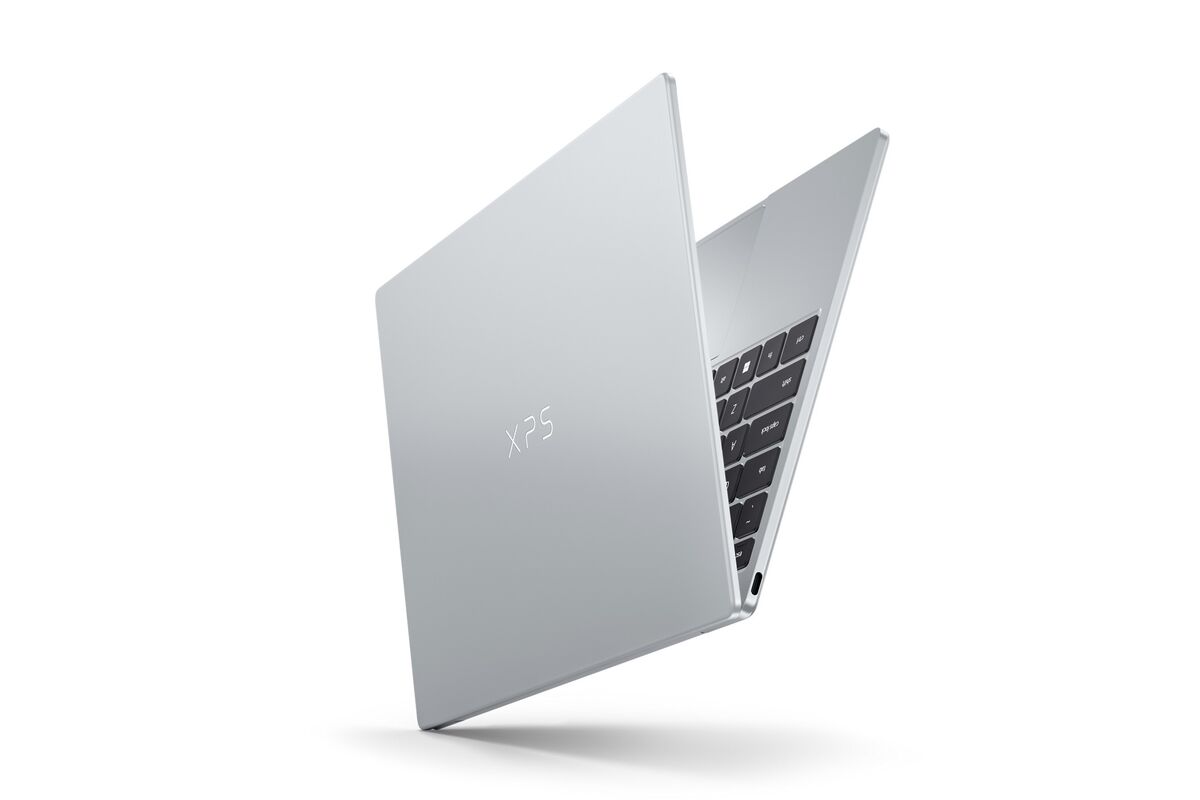
TL;DR
Dell has officially entered the ultra-budget premium laptop war with a $699 touch-screen XPS 13, directly undercutting Apple's MacBook Neo by $100. This is the first time Dell has priced its flagship XPS line below the $800 threshold, signaling a structural shift in the PC market toward sub-$700 premium devices.
What Happened
Dell Technologies Inc. introduced a redesigned XPS 13 laptop on Sunday, May 31, 2026, pricing the device at $699 with a touch-screen display — a direct competitive response to Apple Inc.’s MacBook Neo, which launched in March 2026 at $799 and immediately disrupted the budget PC segment. The new XPS 13 represents Dell's most aggressive pricing move in the premium laptop category in over a decade.
Key Facts
- Dell's new XPS 13 starts at $699 with a touch-screen display, undercutting Apple's MacBook Neo by $100.
- Apple's MacBook Neo launched in March 2026 at $799, stunning analysts with its combination of Apple Silicon performance and budget pricing.
- The redesigned XPS 13 is the first Dell flagship laptop to break the $800 price floor for the XPS line, which historically started above $900.
- Dell's announcement came on Sunday, May 31, 2026, as reported by Bloomberg.
- The XPS 13 has been Dell's primary competitor to Apple's MacBook line for over a decade, with prior models starting at $999 or higher.
- The MacBook Neo captured an estimated 12% of the sub-$800 laptop market within its first 60 days of availability, according to IDC data cited by Bloomberg.
- Dell is positioning the touch-screen feature as a key differentiator, as the MacBook Neo lacks touch input capability.
Breaking It Down
Dell's $699 price point is not merely a discount — it is a structural repositioning of the XPS brand. For years, the XPS 13 served as Dell's premium halo device, often starting at $999 or more, competing against the MacBook Air and MacBook Pro. By slashing the entry price by roughly 30% while retaining a touch screen, Dell is signaling that it can no longer afford to cede the sub-$800 market to Apple. The MacBook Neo's March debut at $799 was widely seen as Apple's first serious attempt to capture price-sensitive buyers who previously defaulted to Windows machines.
The MacBook Neo captured an estimated 12% of the sub-$800 laptop market within its first 60 days — a figure that likely represented over 500,000 units sold, based on total market volumes of roughly 4.2 million units in that segment during Q1 2026.
That rapid market share gain forced Dell's hand. The XPS 13 redesign is not just about hardware — it is about defending Dell's position in the education, small business, and entry-level professional segments that generate high-volume replacement cycles. By including a touch screen at $699, Dell is betting that Apple's lack of touch input on the Neo will be a decisive disadvantage for students and creative professionals who value direct interaction with their screens. However, Dell faces a margin squeeze: the XPS 13's component costs, including an Intel Core Ultra processor and a high-resolution touch panel, likely leave Dell with significantly thinner margins than Apple enjoys on the Neo, which uses a custom M-series chip that Apple controls end-to-end.
The timing of the announcement — a Sunday evening — is unusual and suggests Dell wanted to control the news cycle heading into the week, potentially preempting any Apple counter-messaging. It also aligns with the start of Computex Taipei, which begins Monday, June 1, where Dell typically showcases new hardware to Asian supply chain partners and media.
What Comes Next
-
Apple's pricing response: Apple could cut the MacBook Neo to $699 or introduce a lower-spec variant at $649 within 60 days. Apple has precedent for price drops after competitive launches, most notably with the iPhone SE series.
-
Intel's role in the price war: Dell's $699 pricing likely relies on Intel providing favorable pricing for its Core Ultra processors. Intel's earnings call in late July 2026 will reveal whether it is subsidizing Dell's volume push.
-
Retail availability and promotions: The XPS 13 will need to ship by mid-June to capture back-to-school buying. Dell's direct-to-consumer channel and retail partners like Best Buy will offer early discounts, potentially pushing the effective price below $599 with trade-in offers.
-
Microsoft's Surface response: Microsoft is expected to refresh the Surface Laptop Go line in September 2026, and the $699 Dell price point may force Microsoft to start the Surface Laptop Go 4 at $599 or include a free Surface Pen to compete.
The Bigger Picture
This price war is the clearest evidence yet of Premium Budget Convergence — the trend where high-end features like touch screens, thin chassis, and premium build materials are migrating into the $500–$800 price band that was previously dominated by plastic-bodied, low-resolution laptops. Both Dell and Apple are responding to the same structural reality: the PC market is mature, and growth now comes from upgrades and replacements, not new buyers. To win upgrades, manufacturers must offer flagship features at mid-range prices.
The second trend is Apple's Downward Expansion. The MacBook Neo's $799 launch price was Apple's most aggressive pricing move since the original MacBook Air in 2008. By forcing Dell to respond at $699, Apple has effectively reset the competitive baseline for the entire premium laptop category. If Apple responds with a $699 Neo, it will mark the first time Apple has sold a new laptop under $700 since the 11-inch MacBook Air was discontinued in 2017.
Key Takeaways
- [Price War Escalation]: Dell's $699 XPS 13 directly challenges Apple's $799 MacBook Neo, marking the first time the XPS line has gone below $800 and intensifying the budget premium laptop segment.
- [Touch Screen as Differentiator]: Dell is betting that the XPS 13's touch screen will be a decisive advantage over the MacBook Neo, which lacks touch input — a feature that matters to students and creative professionals.
- [Apple's Market Share Threat]: The MacBook Neo captured 12% of the sub-$800 market in 60 days, forcing Dell to respond with aggressive pricing that compresses its own margins.
- [Structural Market Shift]: Premium features are migrating to the $500–$800 price band, and both Dell and Apple are competing for upgrade buyers in a mature PC market where volume growth comes from pricing, not innovation.
