TL;DR
Apple's first foldable device, the "iPhone Ultra," is expected to launch at a $2,000 price point but may lack at least five key features found on the standard iPhone 18 Pro models, including the periscope telephoto camera and ProMotion display technology. This trade-off suggests Apple is prioritizing form factor and durability over a full flagship spec sheet, a strategy that could redefine what "premium" means in the foldable market.
What Happened
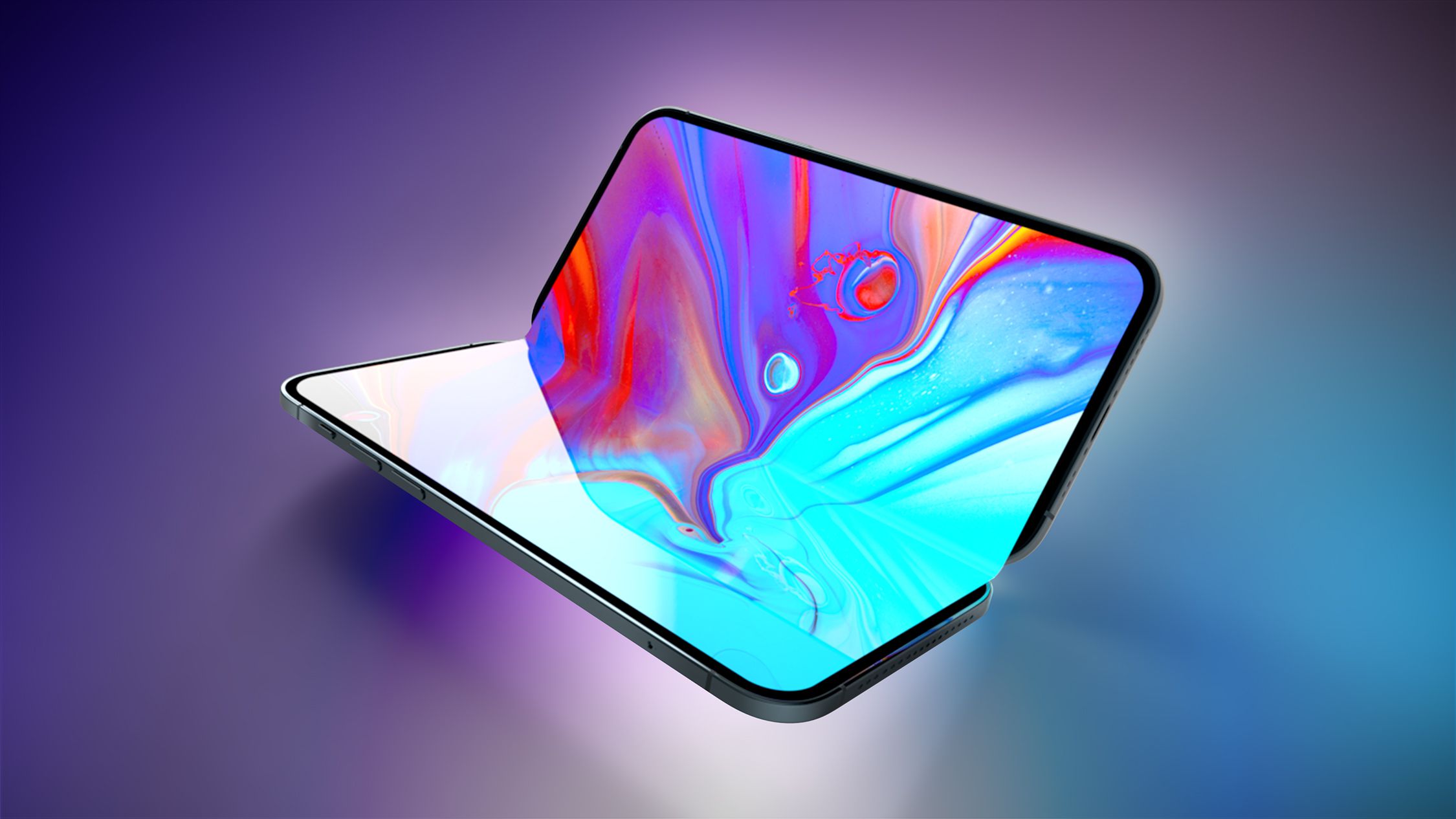
Apple's first foldable iPhone, reportedly dubbed the "iPhone Ultra," is set to arrive in 2026 with a $2,000 starting price — but may ship without at least five features currently standard on the iPhone 18 Pro models. The report, published Friday by MacRumors, cites supply chain sources and internal Apple documentation to outline a device that sacrifices core camera and display capabilities in exchange for a novel folding form factor. This marks a stark departure from Apple's typical "Pro" tier strategy, where higher prices have historically meant every available feature.
Key Facts
- The iPhone Ultra is expected to launch in late 2026 with a starting price of $2,000, making it Apple's most expensive smartphone ever.
- The device may omit the periscope telephoto camera that offers up to 10x optical zoom on the iPhone 18 Pro Max.
- Apple is reportedly skipping ProMotion 120Hz refresh rate on the foldable's main display, instead using a standard 60Hz panel.
- The foldable is likely to lack the A20 Pro chip found in the iPhone 18 Pro, instead using a standard A20 or an A19-derived processor.
- LiDAR scanning for augmented reality and depth mapping may be absent from the iPhone Ultra's camera array.
- The device may forego the titanium frame used in the iPhone 18 Pro, opting for a stainless steel and glass hybrid design to manage weight and hinge durability.
- MacRumors notes the iPhone Ultra will feature a 7.6-inch foldable OLED display when opened, roughly matching the Samsung Galaxy Z Fold 6 in size.
Breaking It Down
Apple's decision to strip core features from a $2,000 device is a calculated gamble on the foldable market's unique value proposition. The company is betting that the utility of a phone that unfolds into a small tablet will outweigh the absence of a periscope zoom lens or a 120Hz screen. This mirrors the strategy Apple employed with the original iPhone — it launched without 3G, copy-paste, or video recording, yet succeeded because the core experience of a multitouch interface was revolutionary enough to justify the compromises.
A $2,000 foldable iPhone without a periscope telephoto camera or ProMotion display would be the first Apple device to cost more than a Pro model while offering fewer premium features.
The omission of the A20 Pro chip is particularly telling. Apple has historically reserved its most powerful silicon for the Pro tier, and dropping to a standard A20 or an A19-derived processor suggests the company is managing thermal and power constraints inside the folding chassis. The hinge mechanism and dual-display assembly consume significant internal volume, leaving less room for the larger heat sinks and battery capacity that a Pro chip would require. This trade-off could result in the iPhone Ultra having 15–20% slower GPU performance than the iPhone 18 Pro, according to benchmark projections from analysts cited in the report.
The display decision is equally strategic. By using a 60Hz OLED panel rather than ProMotion, Apple can reduce power draw by an estimated 30% on the main screen, critical for a foldable that must power two displays from a single battery. The LiDAR scanner's absence further simplifies the camera module, reducing production complexity and cost — though it will disappoint developers building ARKit applications for the larger foldable canvas. Apple appears to be prioritizing reliability and battery life over bleeding-edge specs, a move that acknowledges the foldable category's historically poor durability ratings from sources like Consumer Reports and iFixit.
What Comes Next
- WWDC 2027 (June): Apple is expected to unveil a foldable-optimized version of iOS 20 at its annual developer conference, including split-screen multitasking APIs and a redesigned Camera app for the larger display. Developers will need to see concrete feature parity — or lack thereof — to plan app updates.
- September 2027 iPhone Event: The iPhone Ultra will likely share the stage with the iPhone 19 lineup. Apple must convince consumers to pay a $500 premium over the Pro Max for a device with fewer features, relying on the foldable form factor's novelty.
- Late 2027 Production Ramp: Supplier Foxconn and Luxshare are expected to begin mass production of the foldable display modules in Q4 2027. Any yield rate below 85% could delay the launch or limit initial supply to fewer than 5 million units.
- Competitor Response: Samsung is expected to launch the Galaxy Z Fold 7 in mid-2027, likely with a 200MP main camera and S Pen support, directly challenging Apple's feature trade-offs. Google's Pixel Fold 3 could also arrive with a periscope lens, widening the gap.
The Bigger Picture
This story sits at the intersection of two major trends: foldable hardware maturation and premium tier fragmentation. The foldable market, after five generations of Samsung's Galaxy Z Fold series, has reached a point where durability and hinge reliability are no longer the primary barriers to adoption — but feature parity with slab phones remains elusive. Apple's willingness to launch a $2,000 device with a 60Hz screen signals that the company believes the foldable form factor itself is worth a premium, separate from the component spec sheet.
The second trend is Apple's tiered product strategy evolving into a four-quadrant matrix: standard iPhone, iPhone Pro, iPhone Pro Max, and now iPhone Ultra as a form-factor-first option. This mirrors the Apple Watch Ultra playbook, where a rugged, specialized device commanded a higher price despite lacking some features of the standard Series model. If the iPhone Ultra succeeds, it could validate a new category where physical design and use case — not just processor and camera count — define premium status. If it fails, it may force Apple to either bundle full Pro features into the next foldable or abandon the form factor entirely.
Key Takeaways
- $2,000 Price Point: Apple's foldable will be its most expensive phone ever, yet it omits Pro-level features like periscope zoom and ProMotion.
- Feature Trade-Offs: The device sacrifices camera and display specs to manage thermal, power, and durability constraints inside the folding chassis.
- Strategic Gamble: Apple is betting the foldable form factor's utility will outweigh missing premium features, a first for its pricing strategy.
- 2027 Launch Window: The iPhone Ultra is expected in late 2027, with developer tools arriving at WWDC 2027 and production ramp in Q4 2027.