Introduction
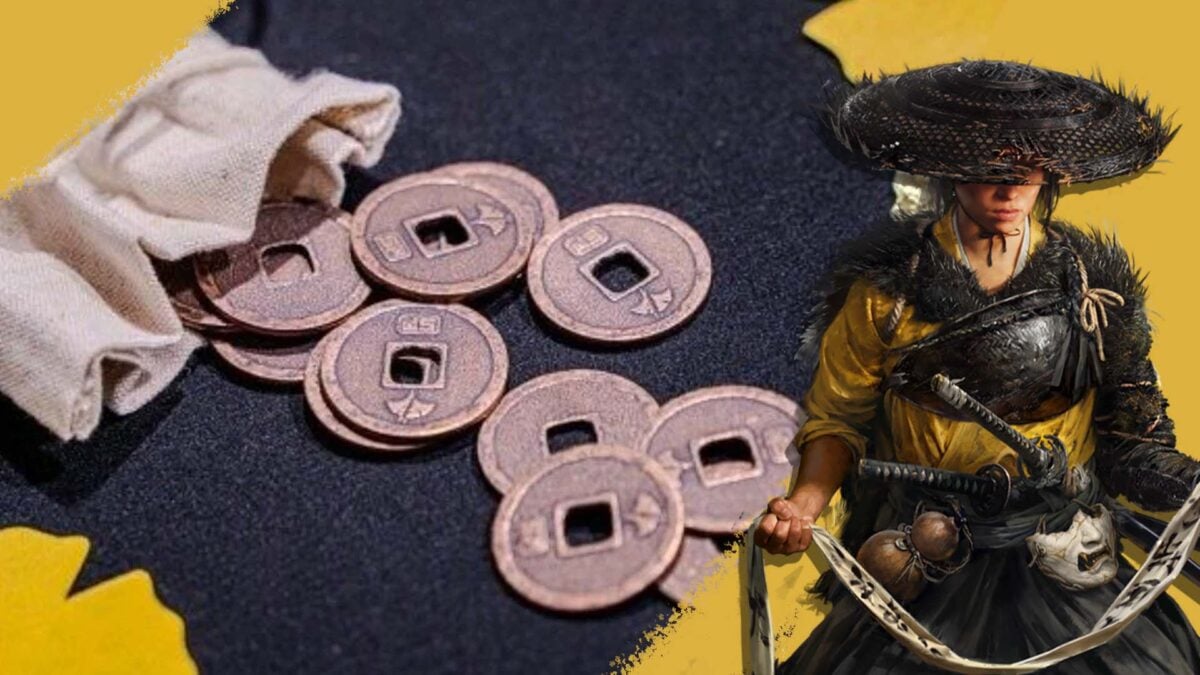
In a surprising technical postmortem, Sucker Punch Productions has revealed that the development team for Ghost of Yotei repurposed the physical collector's edition coins to prototype the game's "Zeni Hajiki" multiplayer mode. This unconventional approach highlights the innovative and often hidden problem-solving required to integrate online co-op into a massive, narrative-driven single-player RPG.
Key Facts
- Developer: Sucker Punch Productions, the Sony Interactive Entertainment studio behind Ghost of Tsushima and the inFAMOUS series.
- Game: Ghost of Yotei, the highly anticipated sequel to Ghost of Tsushima, released on March 20, 2026.
- Feature: The "Zeni Hajiki" multiplayer mode, a two-player cooperative experience separate from the main campaign.
- Prototyping Method: Developers used the NFC (Near Field Communication) chips embedded in the physical collector's edition replica coins to simulate player connection and item trading.
- Date of Revelation: The details were disclosed in a comprehensive GDC-style development blog post published by Sucker Punch on Friday, April 3, 2026.
- Core Challenge: The team needed to build a stable, lightweight multiplayer framework within the complex, asset-dense open world of Ghost of Yotei without compromising the single-player experience.
Analysis
The revelation that Sucker Punch used NFC-enabled collectibles as a development tool is a case study in pragmatic, resourceful game engineering. The primary technical hurdle was creating a multiplayer instance that could exist within the game's vast open world—a world engineered for a single, cinematic player experience. Building a traditional, dedicated multiplayer testing environment from scratch would have been a significant time and resource investment during a critical phase of development. By using the pre-existing collector's edition coins as programmable NFC tokens, developers could rapidly prototype core networking functions like player handshakes, session persistence, and item exchange in the physical office space. This method allowed for iterative testing of the multiplayer backend logic without first constructing a full digital playground, accelerating the early R&D phase.
This decision carries significant financial and production implications. Ghost of Tsushima’s "Legends" co-op mode, released post-launch in October 2020, was a massive success, leading to a standalone release and cementing player demand for multiplayer in this universe. For Ghost of Yotei, Sony and Sucker Punch clearly intended a robust multiplayer component from the start to drive both initial sales and long-term engagement. The NFC coin prototyping represents a low-risk, high-reward investment strategy. It utilized an already-budgeted physical good (the collector's edition) to de-risk a software feature that has direct impact on the game's Metacritic score, word-of-mouth, and player retention metrics. In an industry where AAA development budgets regularly exceed $200 million, as seen with titles like Cyberpunk 2077 and the Call of Duty series, such frugal and clever prototyping is a necessary discipline to control spiraling costs.
The move also reflects a broader industry pivot toward hybrid single-player/multiplayer design, a complex trend with mixed results. FromSoftware has mastered this with seamless, asynchronous multiplayer in Elden Ring, while Rocksteady’s Suicide Squad: Kill the Justice League demonstrated the severe pitfalls of forcing always-online, live-service elements into a narrative franchise. Sucker Punch’s approach with Zeni Hajiki appears more conservative and considered—a distinct, opt-in mode rather than an integrated live-service layer. The NFC testing story suggests the studio prioritized ensuring the mode was technically stable and fun in isolation before worrying about its connection to the broader game economy, a lesson likely learned from the troubled launches of games like Fallout 76.
Ultimately, this is a story about infrastructure. The success of "Legends" meant Sucker Punch could not treat multiplayer as an afterthought for Ghost of Yotei. It required a foundational shift in their technology stack. The coin story is the tangible evidence of that shift, showing a studio building new networking pathways into an engine designed for solitary exploration. This technical debt must now be managed across the entire lifecycle of Ghost of Yotei, affecting future DLC, patches, and potential next-gen ports.
What's Next
The immediate focus will be on the performance and reception of the Zeni Hajiki mode itself. Player metrics in the coming months—including concurrent user numbers, average session length, and retention rates—will be the ultimate judge of Sucker Punch's prototyping ingenuity. Sony will be watching closely to see if this mode replicates the enduring success of Ghost of Tsushima: Legends, which maintained a dedicated player base for years. Strong performance could validate the studio's integrated but separate approach to multiplayer, influencing the design of future single-player titles from other Sony studios like Santa Monica Studio (God of War) or Insomniac Games (Marvel’s Spider-Man).
Long-term, the development methodology itself may have a wider impact. The detailed blog post from Sucker Punch serves as a public blueprint for other studios facing similar integration challenges. We should anticipate presentations at the 2027 Game Developers Conference (GDC) delving deeper into the Ghost of Yotei networking architecture, with other technical directors exploring how low-cost physical prototyping can be applied to other development hurdles, such as AI behavior or physics systems. Furthermore, the existence of a robust multiplayer framework in Ghost of Yotei all but guarantees post-launch support. The roadmap will likely include new Zeni Hajiki missions, character classes, and cosmetics, potentially evolving into a standalone release as Legends did. The first major content drop is expected by the 2026 holiday season.
Related Trends
This story intersects directly with the growing trend of phygital integration—the blending of physical and digital goods. The video game industry has long offered collector's editions with statues and art books, but these are typically passive items. Using an NFC chip within a collector's coin as an active development tool points to a future where such "phygital" items could have ongoing utility. This mirrors experiments in other sectors, such as Nike’s NFT-linked sneakers or the use of NFC in trading cards for games like Sorare. The Ghost of Yotei case demonstrates a practical, behind-the-scenes application of this technology for creation, not just consumer engagement.
Secondly, it reflects the continued industrialization of game development tools and processes. As AAA game scope balloons, studios are forced to develop more efficient pipelines. The use of ad-hoc NFC testing is akin to the widespread adoption of middleware like Havok for physics or Wwise for audio—it’s about finding smarter, pre-built solutions to complex problems. This trend encompasses everything from using photogrammetry for asset creation to employing AI tools for bug detection and localization. Sucker Punch’s clever hack is a human-scale example of this broader drive toward efficiency in an increasingly costly and risky development landscape.
Conclusion
Sucker Punch's revelation is more than a fun anecdote; it is a testament to the calculated ingenuity required to evolve a flagship single-player franchise in a multiplayer-driven era. The successful implementation of Zeni Hajiki, prototyped with physical coins, demonstrates how studios can navigate immense technical and design pressures to expand a game's scope without compromising its core identity.