TL;DR
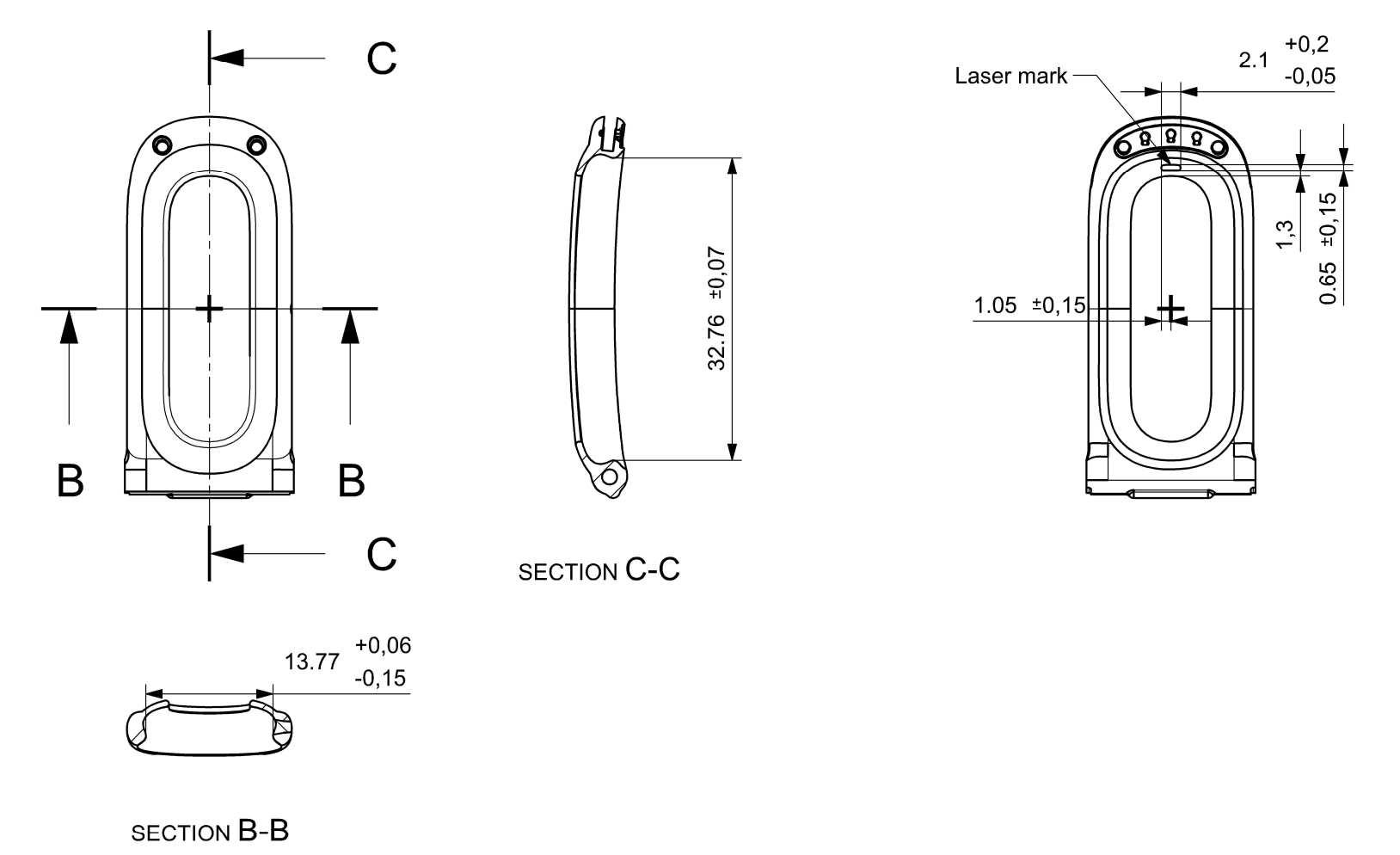
Google has released the full CAD drawings and specifications for the Fitbit Air pod, enabling third-party manufacturers to design and produce custom bands and accessories. This open-hardware move positions the Fitbit Air as a platform, not just a product, and could dramatically expand its ecosystem within months.
What Happened
On Thursday, June 4, 2026, Google published the complete CAD drawings and technical specifications for the Fitbit Air pod, effectively inviting third-party accessory makers to create custom bands, clips, and mounts. The release, first reported by DC Rainmaker, marks a radical departure from the closed-accessory model that has defined wearable tech for over a decade.
Key Facts
- Google released the full CAD files and engineering specs for the Fitbit Air on June 4, 2026, via a dedicated developer portal.
- The Fitbit Air uses a magnetic pod design that detaches from its band, allowing users to swap bands or clip the pod onto clothing, bags, or bicep bands — a form factor long requested by runners and cyclists.
- The CAD release includes tolerance specifications, connector pinouts, and material recommendations, enabling manufacturers to produce certified third-party accessories without reverse-engineering.
- DC Rainmaker noted that the bicep band option is particularly welcomed by athletes who find wrist-based wearables uncomfortable during high-intensity workouts or while wearing wrist wraps.
- Google is offering a free licensing model for accessory makers, with no royalty fees, but requires compliance testing and a certification badge for products sold as "Made for Fitbit Air."
- The Fitbit Air, launched in March 2026, has already sold an estimated 1.2 million units globally, according to industry analysts.
- This open-hardware strategy mirrors Google's earlier Project Ara modular phone concept (cancelled in 2016) and the Android ecosystem's open-source approach, but applies it to a wearable form factor.
Breaking It Down
Google's decision to open the Fitbit Air's hardware specification is a high-stakes gamble that could reshape the wearable accessory market. For years, companies like Apple, Garmin, and Samsung have tightly controlled their watch bands and accessories, using proprietary connectors and licensing fees to lock consumers into first-party ecosystems. The Fitbit Air's magnetic pod design was already a clever engineering solution — the pod itself contains all the sensors, battery, and electronics, while the band is purely mechanical. By releasing the CAD drawings, Google effectively says: anyone can build the band, but only we make the pod.
Over 80% of wearable accessory revenue currently flows to first-party manufacturers, according to a 2025 IDC report, with markups of 300–500% on replacement bands.
This margin-rich model has been a cash cow for Apple, which generates an estimated $6 billion annually from Apple Watch bands alone. Google is deliberately walking away from that revenue stream. Instead, it is betting that a flood of cheap, innovative, and specialized third-party bands — from sweat-proof bicep straps for CrossFit to magnetic clip-on mounts for cyclists — will make the Fitbit Air more appealing than locked-down competitors. Early indicators from the developer portal suggest over 200 companies have already downloaded the CAD files, including established players like Spigen, OtterBox, and Incase, as well as dozens of small 3D-printing shops.
The timing is deliberate. The Fitbit Air launched just three months ago, and its initial sales of 1.2 million units are solid but not dominant — the Apple Watch Series 10 sold roughly 18 million units in its first quarter. Google needs a differentiator, and the open-accessory model is it. By making the Fitbit Air the most customizable wearable on the market, Google is targeting the fitness enthusiast and outdoor athlete segments that Garmin and Coros currently dominate. Those users often complain about limited band options for non-wrist wearing — a bicep band for heart rate accuracy during weightlifting, a chest strap for running, or a helmet mount for cycling. The CAD release directly addresses those pain points.
What Comes Next
The next six months will determine whether Google's open-hardware bet pays off. Here are the concrete developments to watch:
-
First Certified Accessories (August–September 2026): Google's compliance testing process takes 4–6 weeks. The first wave of "Made for Fitbit Air" products — likely bicep bands, adhesive mounts, and ruggedized clips — should hit retail by late summer. DC Rainmaker expects Spigen and OtterBox to be among the first certified partners.
-
Third-Party Pod Sharing (Late 2026): The CAD release opens the door for companies to design multi-pod holders — devices that hold multiple Fitbit Air pods for team sports, pet tracking, or luggage monitoring. Google has not announced such a product, but the specs allow for it.
-
Garmin and Apple Response (Q4 2026): If third-party Fitbit Air bands proliferate quickly, expect Garmin to lower its proprietary band prices or introduce a quick-release standard for its Forerunner and Fenix lines. Apple is less likely to open its band ecosystem, but may accelerate development of a modular Apple Watch with a detachable sensor pod.
-
Fitbit Air Gen 2 Speculation (Late 2026–Early 2027): Industry analysts predict Google will announce a Fitbit Air 2 at its October hardware event, with improved sensors and a backward-compatible pod design that works with all third-party bands released for the original model.
The Bigger Picture
This story sits at the intersection of two major technology trends: platformization of hardware and the modular wearable movement. Google is applying the same playbook that made Android dominant in smartphones — open the core platform, let third parties build the ecosystem, and capture value through services and data rather than hardware margins. If successful, the Fitbit Air could become the Android of wearables: not the most premium device, but the most flexible and widely adopted.
The modular wearable movement has been slow to materialize. Companies like Blocks and Sensoria tried modular smartwatches in the mid-2010s and failed due to high prices and limited developer interest. Google's approach is smarter: instead of asking users to buy separate modules for battery life or GPS, the Fitbit Air keeps all core functionality in the pod and modularizes only the band — the part users actually want to customize. This lower-risk modularity could finally make the concept mainstream, especially among the 70 million Americans who exercise regularly and often find standard wristbands inadequate.
Key Takeaways
- [Open-Hardware Shift]: Google's release of Fitbit Air CAD drawings is a direct challenge to Apple's and Garmin's closed accessory ecosystems, betting that customization will drive adoption.
- [Bicep Band Validation]: The explicit support for bicep bands addresses a long-standing complaint from athletes about wrist-based wearables during strength training and high-intensity workouts.
- [Revenue Trade-Off]: Google is forfeiting an estimated $200–300 million in annual first-party band revenue in exchange for faster ecosystem growth and higher device sales.
- [Timing Matters]: Releasing the specs just three months after launch, rather than waiting for a mature product line, signals Google's urgency to differentiate the Fitbit Air before competitors respond.


