TL;DR
Google has officially confirmed that Pixel smartphones will not adopt Apple's "Liquid Glass" design language, marking a deliberate divergence in Android's visual identity from iOS. This decision, announced on May 6, 2026, signals that Google is doubling down on its own Material You design philosophy rather than following Apple's lead, a move that could reshape how the two ecosystems differentiate themselves in the coming years.
What Happened
On Wednesday, May 6, 2026, Google explicitly stated that the Android operating system for Pixel smartphones will not take design cues from Apple and adopt a Liquid Glass aesthetic, as reported by MacRumors. The announcement came directly from Google's Android team, confirming that the company is committed to its own Material You design language rather than mimicking Apple's visual approach.
Key Facts
- Google confirmed on May 6, 2026, that Pixel phones will not adopt Apple's Liquid Glass design, per a MacRumors report.
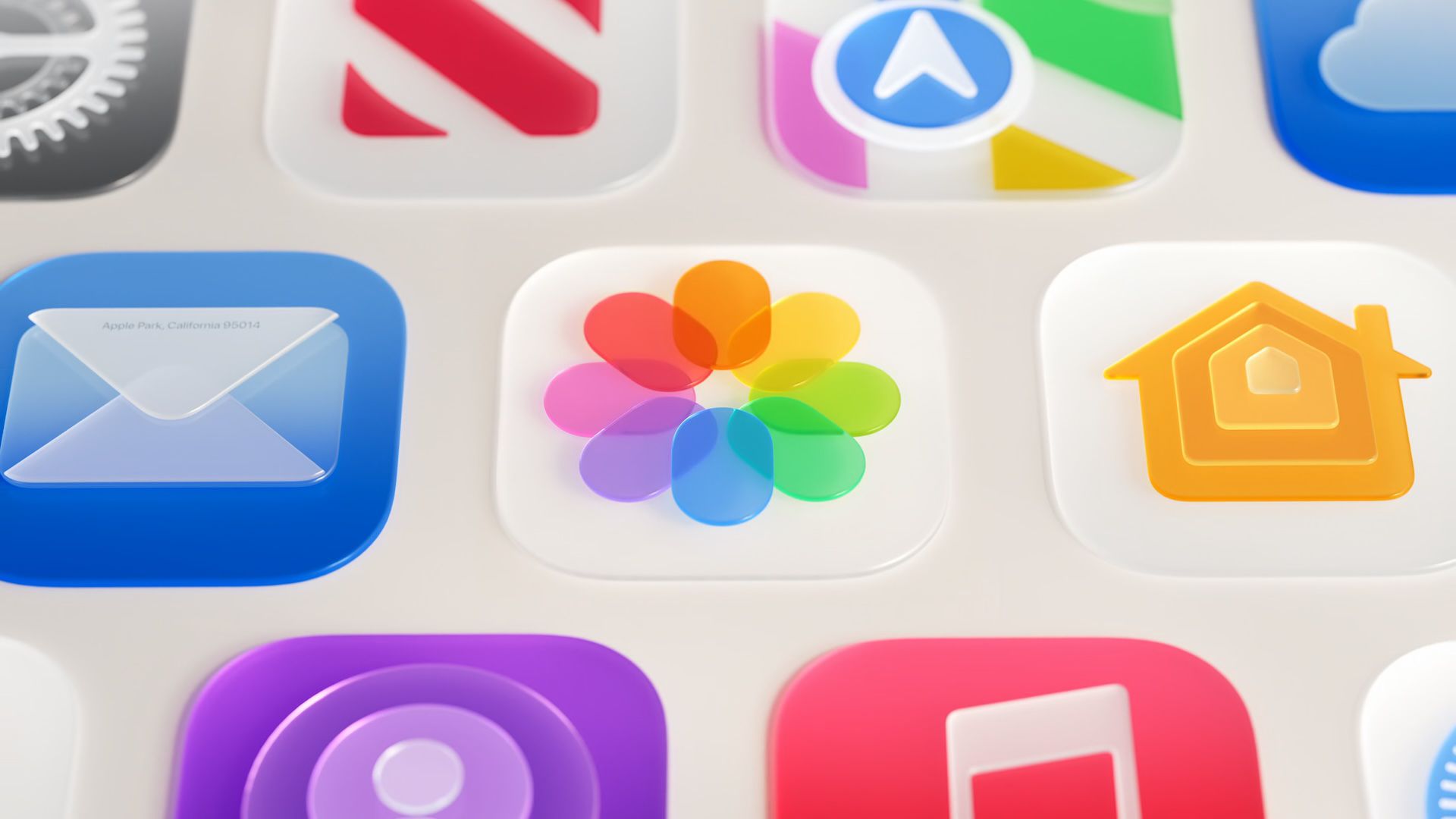
- Apple's Liquid Glass aesthetic, introduced with iOS 19 in 2025, features translucent, frosted-glass effects layered over dynamic backgrounds and has been a hallmark of recent iPhone software updates.
- Google's decision reinforces its commitment to Material You, the design system launched with Android 12 in 2021, which emphasizes personalized color palettes, adaptive theming, and rounded shapes.
- The announcement comes as Android 17 is expected to launch later in 2026, with Google reportedly focusing on AI-driven customization rather than visual mimicry of iOS.
- Pixel 11 devices, rumored for release in October 2026, will be the first to ship with this confirmed design direction, potentially featuring deeper Material You integration with Google's Gemini AI.
- The decision marks a strategic departure from earlier industry trends where Android manufacturers sometimes borrowed visual elements from iOS to attract switchers.
- Samsung and OnePlus, two major Android OEMs, have not yet commented on whether they will adopt Liquid Glass-style elements in their custom skins, leaving the broader Android ecosystem's direction uncertain.
Breaking It Down
Google's rejection of Liquid Glass is not merely a cosmetic choice—it is a calculated bet on brand differentiation at a time when smartphone hardware is increasingly commoditized. Apple's Liquid Glass, introduced with iOS 19, uses real-time rendering of translucent layers that respond to device motion and ambient light, creating a sense of depth and fluidity. Google's Material You, by contrast, relies on static color extraction from wallpaper images and applies those colors system-wide, with a focus on user agency rather than visual spectacle.
Material You already powers over 1.5 billion active Android devices as of Q1 2026, making it the most widely deployed design system in mobile history, yet Google is choosing to evolve it rather than replace it with Apple's approach.
The core tension here is between visual innovation and ecosystem identity. Apple's Liquid Glass is a premium differentiator that works because iOS is a closed ecosystem where every app must conform to strict Human Interface Guidelines. Android's open nature means that any visual language must accommodate thousands of OEM skins, launchers, and third-party apps. Google's decision to stay with Material You acknowledges this reality: a system that works across Samsung One UI, OnePlus OxygenOS, and Xiaomi MIUI cannot be as visually uniform as iOS. Instead, Google is betting that AI-powered personalization—where the OS adapts not just colors but layouts and widgets based on user behavior—will be more compelling than a static visual effect.
The timing is also notable. With Android 17 expected to debut at Google I/O 2026 in June, the company is signaling that its next major update will emphasize functional intelligence over visual flair. Leaked developer previews suggest features like Gemini-powered dynamic theming that changes based on time of day, location, and activity—a more utilitarian evolution of Material You rather than a copy of Liquid Glass. This positions Google's design philosophy as adaptive rather than aesthetic, prioritizing utility over visual consistency with Apple.
What Comes Next
- Google I/O 2026 (June 2026): Google is expected to preview Android 17 with a deeper Material You redesign, including new dynamic theming APIs and Gemini AI integration. The conference will be the first public demonstration of how Google plans to evolve its design language without borrowing from Apple.
- Pixel 11 launch (October 2026): The first devices to ship with the confirmed non-Liquid Glass direction will be the Pixel 11 series. These phones are rumored to feature exclusive Material You enhancements, including hardware-accelerated color transitions and adaptive widget layouts powered by on-device AI.
- Samsung One UI 7 (late 2026): Samsung, the largest Android OEM, will release its next major skin update. If Samsung chooses to adopt Liquid Glass-style elements despite Google's stance, it could create a fragmentation issue within the Android ecosystem.
- iOS 20 preview (WWDC 2027): Apple's next major iOS update will likely expand Liquid Glass further. If Google's Material You evolution proves popular, Apple may face pressure to offer more personalization options, potentially blurring the lines between the two design philosophies again.
The Bigger Picture
This decision sits at the intersection of two broader trends: design language consolidation and AI-driven interface personalization. Apple and Google have spent the last decade converging on many features—widgets, app libraries, always-on displays—but the Liquid Glass rejection shows they are now diverging on visual identity. Apple is doubling down on a premium, cinematic aesthetic that treats the OS as a stage for content, while Google is betting on adaptive, user-centric design that treats the OS as a tool.
The second trend is the commoditization of smartphone hardware. With display technology, cameras, and processors reaching parity across flagship devices, software design has become the primary differentiator. Google's refusal to mimic Apple suggests it believes that functional differentiation—AI that learns your habits, interfaces that adapt to your context—will win over users more effectively than visual mimicry. This is a high-stakes bet: Material You has been criticized by some designers for being less visually polished than iOS, but Google is betting that personalization will matter more than perfection in a market where users expect their devices to feel uniquely theirs.
Key Takeaways
- [Google’s Stance]: Google has explicitly rejected Apple's Liquid Glass design for Pixel phones, committing to its own Material You philosophy.
- [Android 17 Focus]: The next major Android update will emphasize AI-driven personalization over visual mimicry, with Gemini integration at its core.
- [Ecosystem Impact]: This decision could create fragmentation if major OEMs like Samsung choose to adopt Liquid Glass elements in their custom skins.
- [Strategic Bet]: Google is betting that adaptive, user-centric design will differentiate Android more effectively than copying Apple's premium aesthetic.