TL;DR
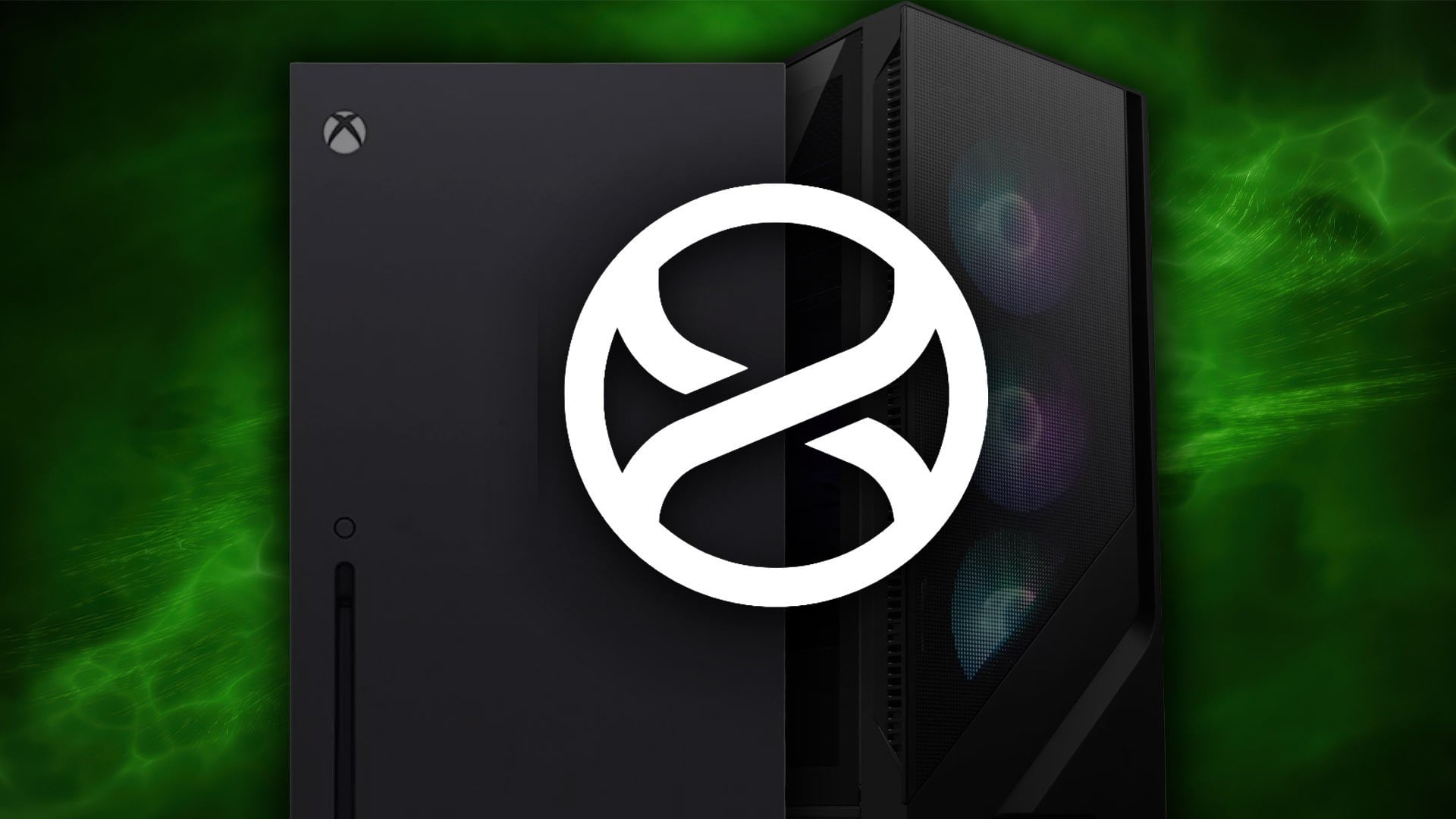
Microsoft’s Project Helix blurs the line between console and PC so thoroughly that the question "Is it a console or a PC?" may be the wrong one to ask. The real issue is whether this hybrid device can unify Xbox’s fragmented ecosystem or will simply confuse consumers and developers alike. Digital Foundry’s analysis on May 7, 2026 forces the industry to confront a device that is neither fully console nor fully PC — and that ambiguity carries massive strategic stakes for Microsoft.
What Happened
Digital Foundry published a deep technical analysis on Thursday, May 7, 2026 that dissects Project Helix, Microsoft’s rumored hybrid gaming device, and concludes that the hardware defies simple categorization. Rather than being a traditional console or a conventional PC, Helix appears to be a purpose-built machine that runs a modified Windows kernel with console-style system-on-a-chip integration, raising fundamental questions about Microsoft’s long-term hardware strategy.
Key Facts
- Digital Foundry’s analysis, published on May 7, 2026, examines leaked specifications and architectural details of Project Helix.
- The device reportedly uses a custom AMD SoC with a Zen 6 CPU and RDNA 5 GPU, but with a unified memory architecture more akin to a console than a standard PC.
- Helix is said to run a modified Windows kernel that can natively execute both Xbox Series X/S titles and PC games from Steam and the Microsoft Store.
- The form factor is described as a small, vertical tower with upgradeable RAM and SSD slots, a feature unprecedented for an Xbox-branded device.
- Microsoft has not officially confirmed Helix, but multiple hardware partners have reportedly received development kits as of early 2026.
- The device is expected to launch at a price point between $599 and $799, positioning it above the Xbox Series X but below most gaming PCs with equivalent performance.
- Digital Foundry notes that Helix’s DRM and security layer appears to be a hybrid, allowing some PC titles to run without modification while requiring others to be recompiled.
Breaking It Down
The most striking conclusion from Digital Foundry’s analysis is not technical but strategic: Microsoft is building a device that deliberately refuses to answer the console-versus-PC question. This is not a failure of design but a calculated bet that the category itself is obsolete. For years, Xbox has struggled with a fragmented ecosystem — the Xbox Series X/S, Game Pass on PC, cloud streaming on mobile, and third-party PC hardware all offer different experiences with different libraries. Helix is Microsoft’s attempt to weld those pieces together into a single, physical product.
"The machine is a console in the sense that it boots instantly, uses a controller-first interface, and plays every Xbox game ever made — but it is also a PC in the sense that you can install Steam, plug in a keyboard and mouse, and upgrade the storage with any off-the-shelf NVMe drive." — Digital Foundry, May 7, 2026
This hybrid identity creates immediate tension. A console’s strength is its fixed, predictable hardware that guarantees developers a known target for optimization. A PC’s strength is its flexibility, upgradability, and access to a vast library of legacy software. Helix attempts to offer both, but that dual nature may force compromises on both fronts. If a game is optimized for Helix’s specific AMD SoC, will it run well on a standard PC? Conversely, will PC games that rely on DirectX 12 Ultimate features work seamlessly on Helix’s modified kernel? Digital Foundry’s analysis suggests Microsoft has built a compatibility layer, but the performance delta between native and emulated titles remains unclear.
The upgradeable RAM and SSD slots are perhaps the most radical departure from console tradition. Sony and Nintendo have never allowed user-upgradeable memory in a console generation. By including this feature, Microsoft is implicitly acknowledging that a fixed hardware spec cannot sustain relevance for a seven-year console cycle. This is a direct admission that the PC model of iterative hardware upgrades is superior for longevity — but it also means that developers cannot rely on a single hardware target, potentially fragmenting the Xbox ecosystem in a way that has historically hurt PC gaming.
What Comes Next
The immediate future of Project Helix hinges on a series of concrete decisions and events:
-
Microsoft’s official announcement — Expected at the June 2026 Xbox Games Showcase, where the company will likely confirm Helix’s existence, final specifications, and launch window. The absence of an announcement would signal internal doubt or a pivot to a different strategy.
-
Developer reaction at GDC 2026 — The Game Developers Conference in July 2026 will be the first major industry event where studios can publicly discuss their Helix development kits. If major third-party publishers like Electronic Arts or Take-Two express skepticism about the hybrid platform, it could dampen launch momentum.
-
Pricing and SKU strategy — The rumored $599–$799 price range places Helix in direct competition with mid-range gaming PCs from ASUS and Lenovo, as well as the PlayStation 6, which is expected to launch in late 2026 at a similar price. Microsoft must decide whether to offer a single Helix SKU or a cheaper, non-upgradeable variant.
-
Steam compatibility confirmation — The most critical unanswered question is whether Helix will run Steam games natively or through a compatibility layer. A definitive answer from Valve and Microsoft is expected before launch, likely at the August 2026 Gamescom event.
The Bigger Picture
Project Helix sits at the intersection of three major trends reshaping the gaming industry. The first is ecosystem convergence, where platform holders are no longer fighting over exclusive hardware but over subscription services and cross-platform play. Microsoft’s Game Pass already spans console, PC, and cloud; Helix is the physical embodiment of that strategy, a device that exists to serve a subscription rather than sell games at retail.
The second trend is hardware commoditization. The traditional console business model — selling hardware at a loss and recouping on software royalties — is under pressure as development costs rise and margins shrink. By making Helix upgradeable and PC-like, Microsoft is hedging against the possibility that dedicated gaming hardware becomes a niche product, subsumed by the broader PC market. This mirrors Sony’s pivot toward PC ports and Nintendo’s exploration of hybrid form factors.
The third trend is regulatory scrutiny of platform gatekeepers. Microsoft’s acquisition of Activision Blizzard in 2023 was approved only after concessions to open up cloud gaming. Helix’s ability to run Steam and other storefronts natively could be positioned as a pro-competitive move, but it also risks alienating partners who rely on Microsoft’s curated store. The device’s success will depend on whether Microsoft can convince regulators, developers, and consumers that a hybrid is better than a pure console or a pure PC.
Key Takeaways
- [Strategic Ambiguity]: Project Helix is neither a console nor a PC, and Microsoft is betting that consumers will embrace a device that requires them to learn a new category.
- [Upgradeable Hardware]: The inclusion of user-upgradeable RAM and SSD slots is a first for Xbox and signals a shift away from fixed console specs toward PC-style iterative improvement.
- [Ecosystem Unification]: Helix aims to merge Xbox and PC game libraries into a single device, potentially solving Microsoft’s long-standing fragmentation problem.
- [High-Risk Pricing]: At $599–$799, Helix must compete with both the PlayStation 6 and mid-range gaming PCs, leaving little margin for error in performance and developer support.