TL;DR
Iron Galaxy Studios, the developer behind the acclaimed Metroid Prime Remastered and last year's Tony Hawk's Pro Skater 3 + 4, has conducted a new round of layoffs. This marks the second significant workforce reduction at the studio in less than three years, highlighting the persistent instability within the video game industry's development sector despite high-profile project successes.
What Happened
Another wave of job cuts has swept through a major game development studio, this time striking a partner closely associated with Nintendo's modern legacy titles. Iron Galaxy Studios, the Chicago and Orlando-based developer celebrated for its expert work on high-definition remasters, has laid off an undisclosed number of employees, casting a shadow over its recent commercial successes.
Key Facts
- The layoffs were announced internally at Iron Galaxy Studios on Sunday, April 19, 2026.
- This is the second major round of layoffs at the studio since August 2023, when approximately 50 employees were let go.
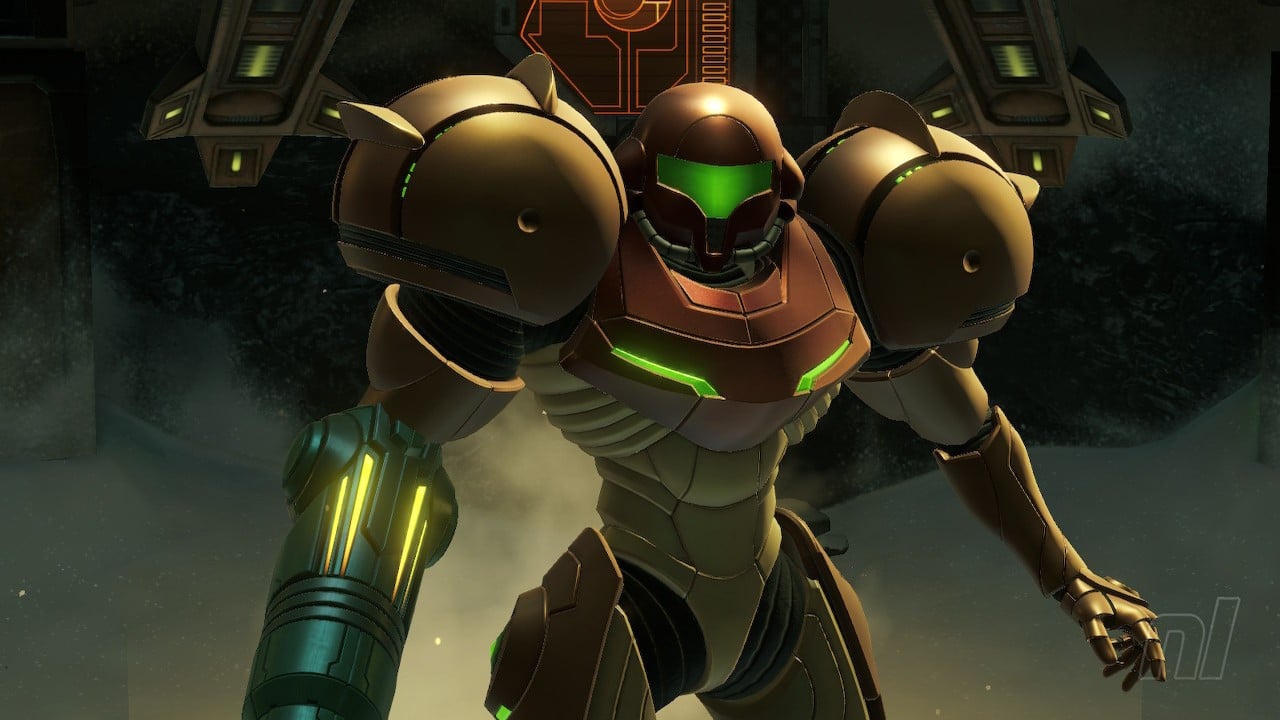
- Iron Galaxy is best known as the lead developer on Nintendo’s Metroid Prime Remastered, a critically lauded 2023 release that set a new standard for classic game revitalization.
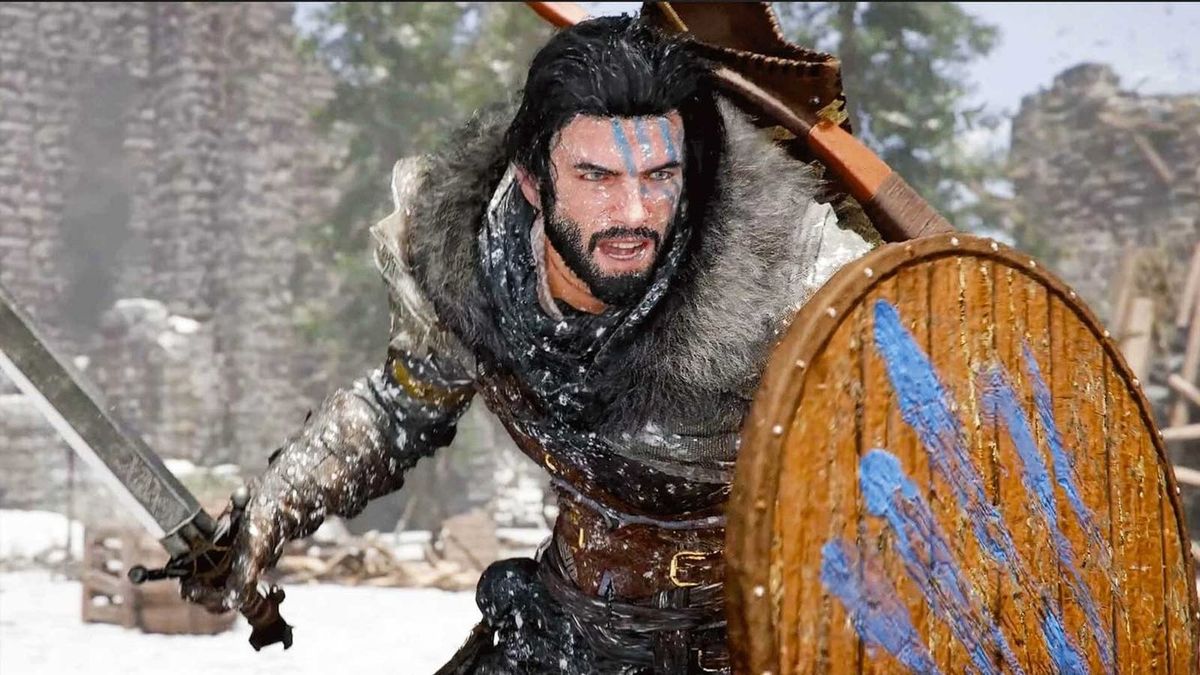
- The studio released Tony Hawk's Pro Skater 3 + 4 in 2025, a high-stakes remaster of the iconic skateboarding games.
- Iron Galaxy has a long history as a support and porting studio, working on major titles like Diablo III for consoles, Overwatch, and Destiny 2.
- The company is co-owned by CEO Chelsea Blasko and Chief Operating Officer Adam Boyes.
- The exact number of affected employees and the specific departments impacted have not been publicly disclosed.
Breaking It Down
The layoffs at Iron Galaxy present a stark contradiction: a studio at the peak of its critical and commercial visibility is simultaneously contracting its workforce. The success of Metroid Prime Remastered was not just a win for Nintendo but a career-defining showcase for Iron Galaxy's technical prowess and respectful approach to legacy content. Similarly, the Tony Hawk's Pro Skater 3 + 4 project was a major license from Activision, indicating high-level trust. Yet, these achievements have not inoculated the studio from the financial pressures and project-based volatility that define game development today.
A studio can ship two of the most high-profile remasters of the decade and still face workforce reductions within a year.
This reality underscores a brutal economic model. Development studios like Iron Galaxy are often hired as contractors for specific projects. When a project like Tony Hawk's Pro Skater 3 + 4 is completed, the sustained revenue from that work ends unless a follow-up project is immediately secured. Even with royalties, the gap between major contracts can necessitate painful restructuring. The "feast or famine" cycle is exacerbated by the fact that remaster projects, while complex, have finite development timelines compared to multi-year original IP creation.
The situation also reflects the specific challenges of the remaster and porting specialty. While this work is essential in an industry obsessed with its back catalog, it is often viewed as a service. Budgets for these projects, though substantial, may be lower than for ground-up AAA development, and the work can be subject to intense bidding wars among capable studios. Iron Galaxy’s 2023 layoffs were partly attributed to "several projects [ending] at the same time," a vulnerability inherent to this business model. The 2026 cuts suggest that despite their elevated profile, securing a consistent, overlapping pipeline of major projects remains a formidable challenge.
Furthermore, the layoffs signal potential shifts in strategy from publishers like Nintendo and Activision. Nintendo has increasingly relied on external partners like Iron Galaxy, Panic Button, and Next Level Games for key development. Workforce instability at these partners could threaten Nintendo's steady release schedule for legacy content. For Activision, the post-merger integration with Microsoft may be altering its approach to legacy projects and external partnerships, potentially leaving studios like Iron Galaxy in a lurch.
What Comes Next
The immediate aftermath will focus on the human and strategic cost for Iron Galaxy. The industry will be watching for several concrete developments:
- Official Communication: Watch for a formal statement from Iron Galaxy's leadership detailing the scale of the cuts and the rationale. Transparency here will affect remaining employee morale and the studio's reputation with future publishing partners.
- Project Pipeline Revelation: The studio’s next major contract will be highly telling. Whether it’s another Nintendo remaster, a new Activision project, or work for another publisher like Capcom or EA will indicate where Iron Galaxy is placing its bets and if it can stabilize its workflow.
- Industry Ripple Effects: The talent pool from Iron Galaxy is highly specialized. Where these experienced engineers, artists, and designers land—whether at other mid-size studios, major publishers, or outside the industry—will be a key indicator of the health of the broader development ecosystem.
- Publisher Response: Monitor for any comments or actions from Nintendo regarding its partnership with Iron Galaxy. A vote of confidence or a new announced project would help stabilize the studio, while silence could be interpreted as a reevaluation of the relationship.
The Bigger Picture
The Iron Galaxy layoffs are not an isolated incident but a symptom of two powerful and destructive trends in technology and gaming. First, the Contraction of the Games Industry, a wave of consolidation and cost-cutting that began in late 2022, continues unabated into 2026. Even studios with recent hits are not immune, as publishers and parent companies seek to maximize margins, reduce risk, and align with shifting corporate strategies post-mergers, such as Microsoft's acquisition of Activision Blizzard.
Second, this highlights the Precarity of Specialized Tech Labor. Highly skilled workers in fields like game development face chronic job insecurity due to the project-based nature of the work. The rise of contractor-based development, while flexible for companies, transfers immense financial and psychological risk onto employees. This model discourages long-term technical investment within studios and can lead to a loss of invaluable institutional knowledge with each round of layoffs, ultimately harming the quality and innovation of future products.
Key Takeaways
- Success ≠ Security: Delivering critically and commercially successful projects, as Iron Galaxy did with Metroid Prime Remastered, does not guarantee job security in the current volatile games market.
- The Contractor Conundrum: Studios specializing in remasters, ports, and support work live on a project-to-project basis, making them acutely vulnerable to pipeline gaps and publisher budget shifts.
- Industry-Wide Instability: These layoffs are part of a relentless, multi-year trend of cuts across gaming, proving that no segment of the industry—from AAA to remaster specialists—is insulated from economic pressures.
- Talent Drain Risk: Each layoff round risks dispersing specialized, hard-won expertise, potentially weakening the studio's ability to execute future complex projects and degrading the industry's overall skill pool.