TL;DR
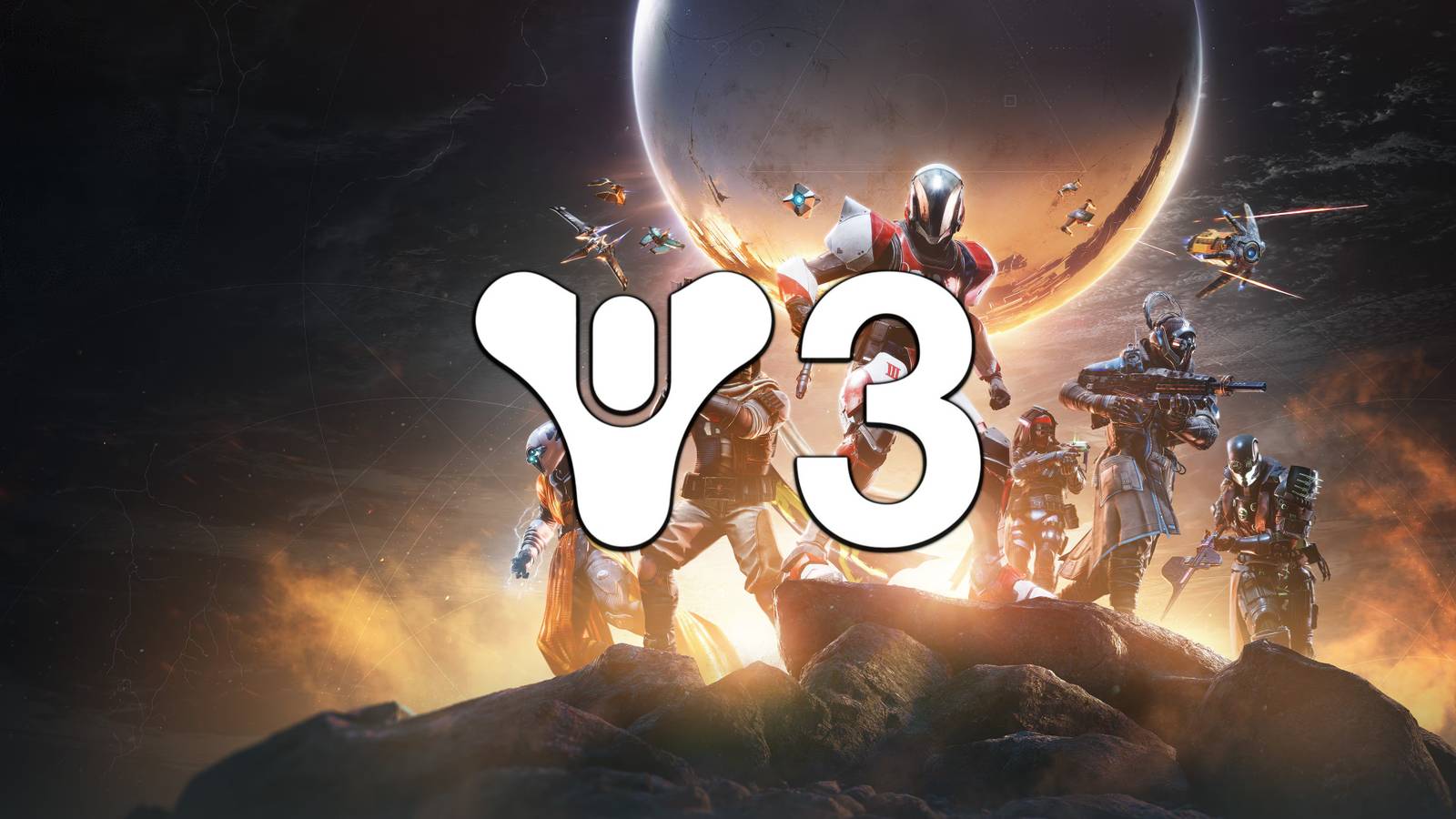
Bungie has officially scheduled a major event for June 17, 2026, that will either unveil Destiny 3 or a substantial continuation of Destiny 2. This matters because it marks the first concrete timeline for the franchise's future after years of speculation and declining player engagement in the current game.
What Happened
GameRant broke the story on Wednesday, June 10, 2026, that Bungie will hold a new event on June 17, 2026, specifically to support either a Destiny 3 launch or a major continuation of Destiny 2. The announcement comes after months of community frustration over content droughts and technical limitations in the current game.
Key Facts
- The event is scheduled for June 17, 2026, exactly one week after the GameRant report.
- Bungie has not yet confirmed the event's title or format, but GameRant's source indicates it will address the franchise's future.
- Destiny 2's last major expansion, The Final Shape, released in June 2024, concluding the original Light and Darkness saga.
- Player counts on Steam for Destiny 2 have dropped approximately 40% since The Final Shape's launch, according to SteamDB data.
- Sony Interactive Entertainment acquired Bungie for $3.6 billion in July 2022, making this Bungie's first major franchise event under full Sony ownership.
- The event falls on a Wednesday, Bungie's typical day for major reveals and patches.
- GameRant's report cites anonymous sources familiar with Bungie's marketing plans.
Breaking It Down
The timing of this event is no accident. June 17, 2026, lands exactly two years after The Final Shape concluded Destiny 2's primary narrative arc. Bungie has spent those two years releasing smaller seasonal content drops and the Into the Light update, but the core player base has been waiting for a clear direction. The 40% player drop on Steam since mid-2024 signals that even loyal players are losing patience with the current model.
A 40% decline in average Steam concurrent players over two years represents roughly 60,000 daily active users lost from Destiny 2's peak post-expansion window.
That figure is particularly damaging for a live-service game that relies on microtransactions, season passes, and cosmetic sales. Bungie's revenue model depends on a large, engaged daily audience. A sustained 40% drop means fewer Eververse purchases, fewer dungeon key sales, and less incentive for third-party partners to run cross-promotions. The June 17 event must deliver either a compelling reason to return to Destiny 2 or a clear path to a new title.
The $3.6 billion Sony acquisition hangs over this event. Sony has allowed Bungie to operate with relative independence, but the parent company expects returns. A Destiny 3 launch would give Sony a major multiplatform live-service title to compete with Call of Duty, Fortnite, and Marvel Rivals. If Bungie instead announces a continuation of Destiny 2 — perhaps a "Destiny 2: Year 8" or a new expansion arc — it will need to demonstrate how a six-year-old game can sustain growth, not just retention.
What Comes Next
The next week will be critical for Bungie's messaging. The June 17 event will likely follow one of three formats: a pre-recorded showcase similar to the annual Destiny 2 Showcase, a live stream with developer commentary, or a brief teaser with a follow-up date for a larger reveal. Bungie's marketing history favors the pre-recorded showcase format, which allows for polished gameplay trailers and cinematic reveals.
- Watch for the event format: If Bungie announces a full Destiny 3 with a 2027 release window, expect a multi-year marketing campaign. If it's a Destiny 2 continuation, expect a shorter reveal and a release within 6–9 months.
- Platform announcements: Destiny 3 would almost certainly target PlayStation 5, Xbox Series X|S, and PC. A Destiny 2 continuation would need to address whether last-generation PlayStation 4 and Xbox One support will finally end.
- Cross-save and character progression: Bungie must clarify whether players' Destiny 2 characters, gear, and cosmetics transfer. The Destiny 2 launch in 2017 allowed no carry-over from Destiny 1, causing significant player resentment.
- Sony exclusivity details: Under the acquisition deal, Bungie remains multiplatform, but Sony may negotiate timed exclusives, beta access, or marketing rights. The event will reveal how deep the Sony integration goes.
The Bigger Picture
This event sits at the intersection of Live-Service Fatigue and Platform Consolidation. The live-service market is saturated with games demanding daily commitment — Destiny 2, Warframe, Call of Duty: Warzone, Fortnite, Apex Legends, and Marvel Rivals all compete for the same player hours. Bungie's player decline mirrors broader trends: even successful live-service games see 30–50% player drops between major content releases. A new Destiny 3 would reset that cycle, but it risks fragmenting the existing community if cross-progression is poorly handled.
The Sony Acquisition Era also shapes this story. Sony has spent over $8 billion on live-service acquisitions (Bungie at $3.6B, Firewalk Studios at undisclosed, Haven Studios at undisclosed), yet its only major live-service success remains Helldivers 2. Bungie's June 17 event will be a bellwether for whether Sony's live-service strategy can deliver a second pillar beyond Helldivers. If Bungie stumbles, it raises questions about Sony's broader investment thesis.
Key Takeaways
- [Event Date]: June 17, 2026, is the confirmed date for Bungie's franchise-defining reveal, exactly one week from the GameRant report.
- [Player Decline]: Destiny 2 has lost approximately 40% of its Steam player base since The Final Shape, creating urgency for a major announcement.
- [Sony's Stake]: Bungie's first major event under Sony's $3.6 billion ownership will signal whether the acquisition is paying off.
- [Franchise Fork]: The event will determine whether Destiny 3 launches as a new title or Destiny 2 receives a major continuation, with direct implications for player investment and platform support.


