TL;DR
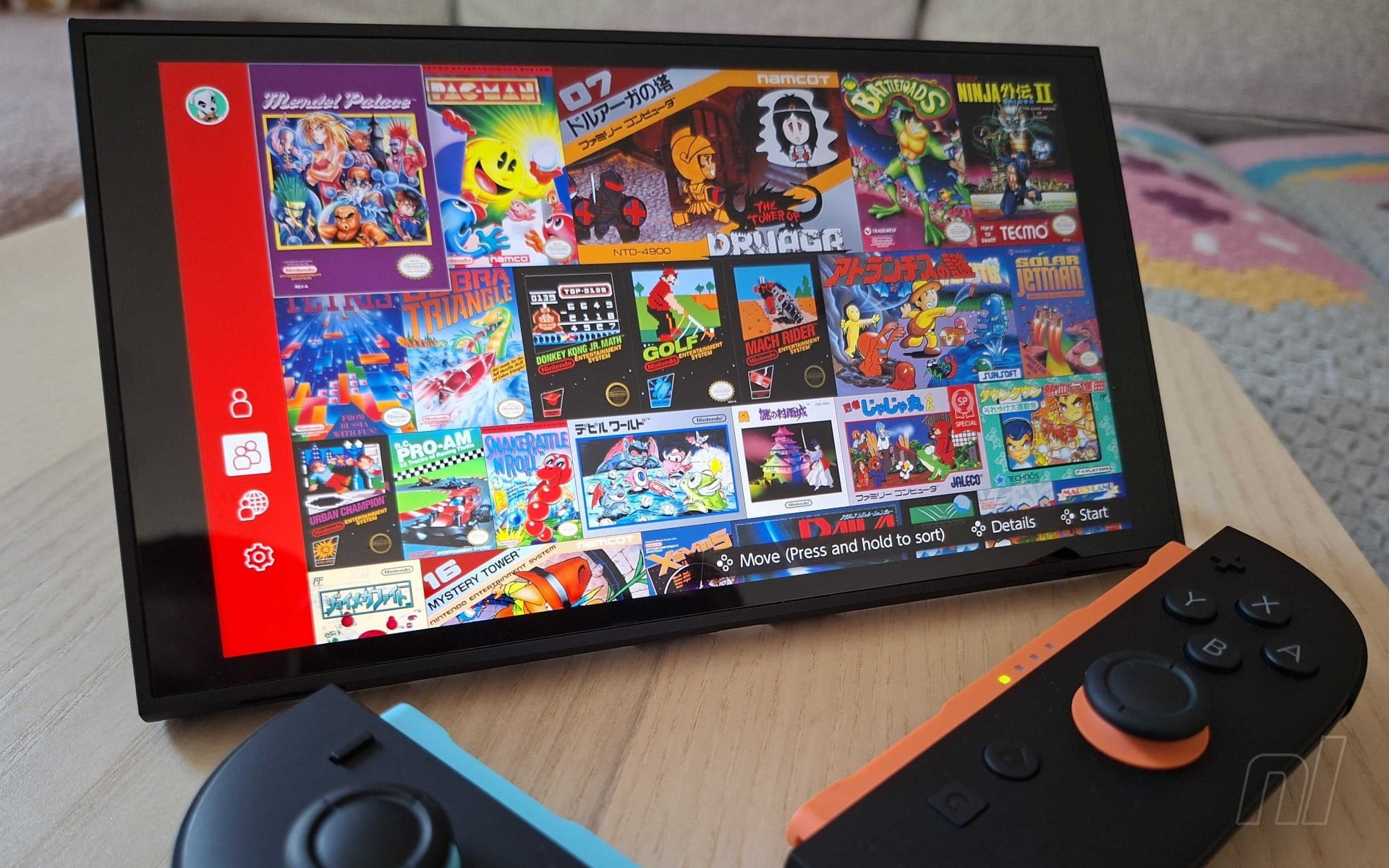
Nintendo has added three new classic NES titles—"Donkey Kong Jr. Math," "Urban Champion," and "Clu Clu Land"—to the Nintendo Switch Online + Expansion Pack service. This update continues the company's long-term strategy of leveraging its deep back catalog to add value to its subscription service, even as industry speculation intensifies around the impending launch of its next-generation console.
What Happened
On Thursday, April 9, 2026, Nintendo dropped a surprise update for subscribers of its Nintendo Switch Online + Expansion Pack service, expanding the classic NES library with three more games. The additions, available to play immediately, include a mix of a quirky educational title, a cult classic fighter, and a unique puzzle-action game, demonstrating Nintendo's ongoing commitment to curating its vast historical software catalog for the modern era.
Key Facts
- The new games added on April 9, 2026, are "Donkey Kong Jr. Math," "Urban Champion," and "Clu Clu Land."
- This update is for the Nintendo Switch Online + Expansion Pack tier, which also includes libraries for SNES, Game Boy, Nintendo 64, and Sega Genesis.
- The update follows a consistent pattern of monthly or bi-monthly classic game drops for the service since its inception.
- "Donkey Kong Jr. Math" is notable as one of the rare educational titles in the NES library, originally part of the "Nintendo Entertainment System - Robot Block" bundle.
- "Urban Champion," a 1984 street brawler, is considered a cult classic and was previously re-released on the Game Boy Advance and Wii Virtual Console.
- "Clu Clu Land," released in 1984, is a unique puzzle-action hybrid where players control a character who must uncover hidden gold bars in an underwater maze.
- This expansion occurs as the Nintendo Switch console is in its tenth year on the market, with a successor widely expected to be announced in the near future.
Breaking It Down
Nintendo’s latest update is a textbook example of low-cost, high-value content curation. Adding three more NES games requires minimal development overhead—primarily software emulation and quality assurance—yet provides a tangible reason for subscribers to log in and engage with the service. This practice turns the Nintendo Switch Online + Expansion Pack into a living museum, where each new addition, no matter how obscure, reinforces the perceived value of the monthly fee. The selection of these three particular titles is not random; it serves to fill niches within the broader library, ensuring there is something for every type of retro enthusiast.
The inclusion of "Donkey Kong Jr. Math" marks only the second time the title has been officially re-released by Nintendo since its 1985 debut, highlighting the deep-cut nature of this archival effort.
This is the most analytically significant aspect of the drop. "Donkey Kong Jr. Math" is not a headline-grabbing hit like Super Mario Bros. 3 or The Legend of Zelda. Its re-release is an act of historical preservation, appealing to completists and educators. It signals that Nintendo’s archival strategy for Switch Online is not solely driven by commercial nostalgia for top-tier games but also by a commitment to documenting the full, eclectic scope of its early console history. This approach builds immense goodwill with the core fanbase and provides a rich, contextualized software library that competing services like Xbox Game Pass or PlayStation Plus cannot replicate due to their focus on more contemporary titles.
Furthermore, the simultaneous addition of "Urban Champion" and "Clu Clu Land" showcases a deliberate curation philosophy. "Urban Champion" represents the experimental, often rough-around-the-edges early days of the NES, while "Clu Clu Land" demonstrates the creative, genre-bending ideas that flourished on the platform. Together, they offer subscribers a more nuanced understanding of the NES era beyond its most famous franchises. This ongoing curation is a key pillar of Nintendo’s ecosystem strategy, making the Switch Online subscription a sticky service that enhances the core console experience and builds a direct, recurring revenue relationship with millions of users.
What Comes Next
The primary focus for Nintendo and its observers is no longer the steady drip-feed of classic games, but the imminent transition to new hardware. The classic games service is a proven success on the Switch, and its future is a critical strategic question.
- The Fate of the Back Catalog on New Hardware: The most pressing question is whether the Switch Online classic libraries will carry forward to Nintendo’s next console. A seamless transition would be a massive consumer-friendly move and a powerful incentive for subscribers to upgrade. A reset or fractured approach could provoke significant backlash.
- Potential for a Unified "Nintendo Classics" Service: Industry analysts are watching for signs that Nintendo may decouple this service from a specific console, rebranding it as a standalone "Nintendo Classics" subscription accessible across future platforms. This would mirror the industry shift toward persistent digital ecosystems and recurring revenue.
- Expansion into New Classic Platforms: If the service continues, the next logical step is adding libraries from more advanced consoles. The most requested and likely candidates are Game Boy Advance and GameCube titles. Adding these would require more robust emulation but would significantly increase the service's appeal.
- Final Switch Online Updates: The industry will closely monitor the pace and quality of classic game drops throughout 2026. A slowdown or a final "complete collection" update could serve as a soft signal that the service’s development focus is shifting entirely to the next-generation platform.
The Bigger Picture
This update connects directly to two dominant trends in the technology and gaming sector. First, it is a core component of the Platform as a Service (PaaS) model, where hardware is merely the gateway to a sustained software and subscription relationship. Nintendo, once reliant solely on cyclical hardware sales, now has a steady revenue stream from over 30 million Switch Online subscribers, and classic games are a cornerstone of that offering.
Second, it underscores the immense and growing value of Digital Legacy and Software Preservation. As physical media decays and older hardware becomes obsolete, companies are recognizing that their back catalogs are not just nostalgia plays but appreciable digital assets. Nintendo’s methodical re-release of its classics, including deep cuts like "Donkey Kong Jr. Math," is a commercial form of preservation, ensuring these titles remain accessible and monetizable for decades to come. This stands in contrast to the industry's broader problem of "digital decay," where countless games from the 1990s and early 2000s are legally and technically stranded.
Key Takeaways
- Strategic Catalog Depth: Nintendo is mining the deepest cuts of its NES library, using titles like Donkey Kong Jr. Math to build a comprehensive historical archive that adds unique value to its subscription service.
- Ecosystem Lock-in: These regular, low-cost updates are designed to maintain engagement with the Switch Online service, making it a habitual part of the user experience and strengthening the overall Nintendo ecosystem ahead of a hardware transition.
- Precedent for Preservation: The update reinforces Nintendo’s commitment to commercially re-releasing its full software history, setting a standard for how gaming companies can manage and monetize their digital legacies.
- Transition Watch: The ongoing classic game support for the aging Switch platform is now a key indicator for how Nintendo will handle its back catalog and subscription services on its inevitable next-generation console.


