TL;DR
Nintendo's announcement of Switch Sports Resort has ignited a firestorm of criticism from fans who accuse the title of "colonizing" and "gentrifying" the beloved tropical setting of the original Wii Sports Resort. The backlash, centered on the game's apparent shift from a vibrant, diverse island community to a sterile, modernized resort, matters because it signals a growing tension between Nintendo's pursuit of global market appeal and the preservation of the quirky, culturally distinct worlds that built its fanbase.
What Happened
On Friday, June 12, 2026, Kotaku published a report detailing a massive online backlash against Nintendo's newly announced Switch Sports Resort. Fans have erupted in anger, with one prominent commenter declaring the game's setting "has been ethnically cleansed and gentrified," accusing Nintendo of stripping the original game's tropical island of its cultural identity in favor of a bland, upscale resort aesthetic.
Key Facts
- The controversy stems from the reveal of Nintendo's Switch Sports Resort, a sequel to the 2009 Wii classic Wii Sports Resort, announced during a June 2026 Nintendo Direct.
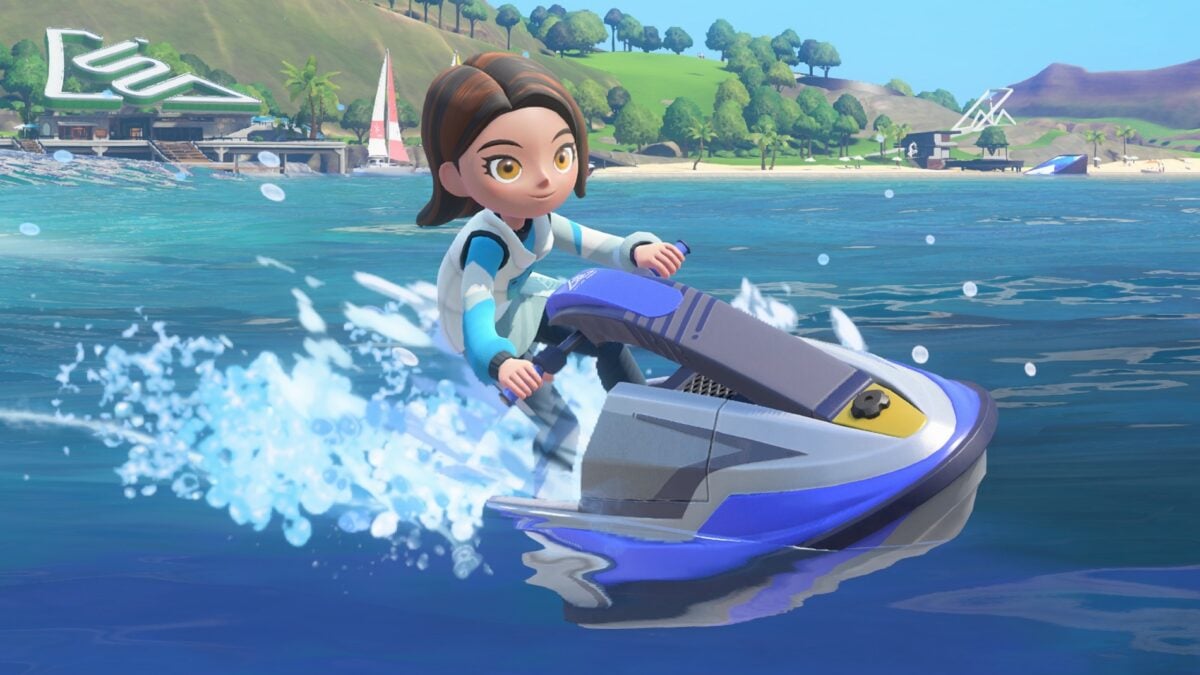
- A key fan complaint centers on the removal of the original game's "Wuhu Island" setting, which featured a diverse population of Miis, local shops, and a humble hotel, replaced by a sleek, modern "Wuhu Resort" with luxury condos and a golf course.
- One viral post on the Nintendo subreddit, which garnered over 15,000 upvotes within hours, argued that the new game "has been ethnically cleansed and gentrified," a phrase Kotaku highlighted in its report.
- The original Wii Sports Resort sold 15.79 million copies worldwide, establishing Wuhu Island as one of Nintendo's most recognizable and beloved virtual locales.
- The backlash is not limited to aesthetics; fans have also criticized the removal of local characters like Matt, the iconic sword-fighting champion, replaced by generic, unnamed NPCs.
- Kotaku's report notes that the controversy has already sparked a Change.org petition titled "Save Wuhu Island," which has collected over 50,000 signatures as of June 12, 2026.
- Nintendo has not yet issued an official response to the backlash, but the company's stock (NTDOY) saw a minor dip of 0.4% in after-hours trading following the Kotaku article.
Breaking It Down
The core of the outrage is not merely a dislike of new graphics or gameplay. It is a profound sense of cultural displacement. The original Wii Sports Resort was deliberately designed to feel like a lived-in, slightly quirky vacation spot—a place where Miis of all shapes, sizes, and colors mingled. The new Switch Sports Resort, based on screenshots and trailers, presents a world of uniform, minimalist architecture, manicured lawns, and a homogenous, affluent-looking clientele. For a generation of gamers who grew up with the original, this isn't an upgrade; it's an erasure.
"The original Wuhu Island felt like a real place where anyone could go on holiday," wrote one user on ResetEra, in a post that was widely shared. "This new one feels like a gated community for tech CEOs."
This sentiment captures the heart of the "colonization" accusation. The original game's charm was its inclusive, slightly chaotic energy—a sword-fighting dojo run by a local champion, a basketball court by the beach, a humble hotel with a bellhop. The sequel appears to have replaced these with a luxury spa, a private golf course, and a sterile lobby. Nintendo, in its pursuit of a "premium" experience for the Switch's broader, more mainstream audience, may have inadvertently sanitized the very soul of the game. The removal of Matt, a character so beloved he became a meme, is seen as the final, unforgivable act of cultural erasure. He wasn't just a boss; he was the island's champion, its personality.
What Comes Next
The next few weeks will be critical for Nintendo as it attempts to manage a PR crisis that, while niche, has erupted with unusual ferocity. The company faces a choice: double down on its new vision or offer concessions.
- Nintendo's Official Response (Expected by June 19, 2026): Industry analysts predict Nintendo will release a statement within the week. The statement will likely frame the changes as "modernization" and "expanding the world," but may also hint at returning classic characters like Matt as a free update.
- The Change.org Petition (Ongoing): The "Save Wuhu Island" petition, currently at 50,000 signatures, will be a key metric. If it crosses 100,000, it will force mainstream gaming media to cover the story beyond Kotaku, potentially putting pressure on Nintendo's public relations team.
- Direct Communication from Developers (Possible by July 2026): Nintendo may schedule a "Nintendo Treehouse" or a developer diary specifically for Switch Sports Resort, where producers like Kosuke Yabuki (if involved) could directly address fan concerns. A candid explanation of the design philosophy could defuse some anger.
- Sales Impact (Measurable by Q3 2026): The true test will be launch sales. If pre-orders for Switch Sports Resort are significantly lower than those for Nintendo Switch Sports (2022), which sold over 12 million copies, Nintendo will be forced to reconsider its approach for future installments.
The Bigger Picture
This controversy is a flashpoint in two broader trends reshaping the video game industry. The first is The Gentrification of Virtual Worlds. As game companies chase larger, more lucrative audiences, they often sand down the rough edges that made their earlier works distinctive. Wuhu Island's transformation mirrors real-world debates about urban development and cultural preservation, where affordable, character-rich spaces are replaced by sterile luxury developments. The second trend is The Weaponization of Nostalgia. Nintendo has successfully monetized nostalgia for decades (e.g., Super Mario 3D All-Stars), but this backlash shows that nostalgia is a double-edged sword. When a company changes a beloved world too radically, it doesn't just release a bad game—it violates a shared memory. The anger over Switch Sports Resort is not about a sports game; it is about the feeling that a part of one's childhood has been sold off and "renovated" beyond recognition.
Key Takeaways
- [Cultural Erasure]: Fans accuse Nintendo of "colonizing" and "gentrifying" Wuhu Island by replacing its diverse, local character with a sterile, upscale resort aesthetic.
- [The Matt Factor]: The removal of iconic characters like Matt, the sword-fighting champion, is a central grievance, symbolizing the loss of the original game's personality.
- [Petition Power]: A Change.org petition demanding the preservation of Wuhu Island's original identity has gathered over 50,000 signatures in less than 24 hours.
- [Uncertain Sales]: The controversy may impact pre-orders and launch sales, creating a tangible business risk for Nintendo's upcoming $59.99 title, scheduled for a Q3 2026 release.


