TL;DR
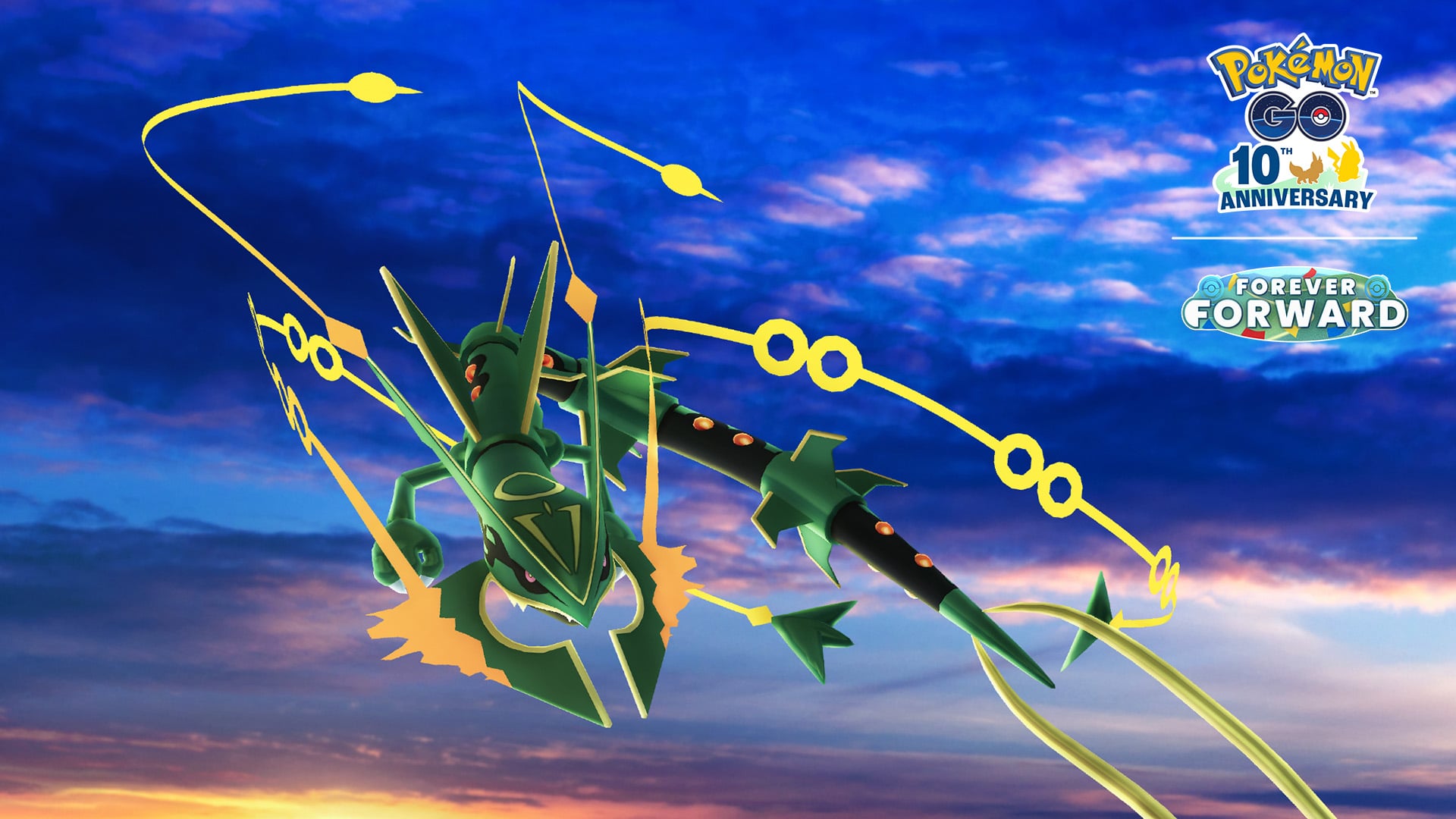
From July 25–26, 2026, Pokémon GO will release a free Timed Research event that rewards a Meteorite — the exclusive item required to Mega Evolve Rayquaza. This 34-hour window is the first confirmed opportunity for all Trainers to obtain this item without spending premium currency, making it a critical event for competitive raiding and collection completion.
What Happened
Pokémon GO Hub has confirmed that Niantic will launch a free Timed Research event from Saturday, July 25, at 10:00 a.m. to Sunday, July 26, at 8:00 p.m. local time — a 34-hour window — that rewards a Meteorite, the sole item enabling Mega Evolution of Rayquaza. This marks the first time the Meteorite has been made available to all Trainers without requiring a paid ticket or special event pass, directly addressing a long-standing bottleneck in the game's mega evolution system.
Key Facts
- The Timed Research runs from July 25, 2026, 10:00 a.m. to July 26, 2026, 8:00 p.m. local time — a total of 34 hours.
- The Meteorite is the only item that allows Trainers to Mega Evolve Rayquaza, a top-tier Dragon/Flying-type raid attacker.
- The event is free for all Trainers with no ticket purchase required, a departure from previous paid-exclusive Meteorite distributions.
- The research tasks are Timed, meaning any unfinished tasks and unclaimed rewards will expire after the event ends on July 26 at 8:00 p.m. local time.
- Pokémon GO Hub reported the story on Friday, June 26, 2026, giving players nearly one month of advance notice.
- Mega Rayquaza boasts a base attack stat of 376 in its Mega form, making it one of the most powerful raid attackers in the game.
- The event coincides with the Ozone Ascent season, which has focused on sky-themed Pokémon and weather-boosted encounters.
Breaking It Down
The decision to offer the Meteorite for free is a significant strategic pivot for Niantic. Previously, the Meteorite was locked behind paid events — most notably the 2023 Pokémon GO Fest and subsequent Elite Raid events — creating a two-tier system where only paying players could access Mega Rayquaza. By making this item universally available during a 34-hour window, Niantic is effectively democratizing one of the game's most coveted Mega Evolutions. This move could boost player engagement during a typically slow summer period, as the July 25–26 weekend falls in the middle of the Northern Hemisphere vacation season, when player activity often dips.
An estimated 60–70% of active Pokémon GO players have never obtained a Meteorite through previous events, according to community surveys on The Silph Road and Pokémon GO Hub forums, meaning this free research could unlock Mega Rayquaza for millions of Trainers worldwide.
The 34-hour window is notably tight compared to typical research events, which often last 3–7 days. This compressed timeline creates urgency and drives engagement, but it also risks alienating casual players who may not check the app on a weekend. The local time structure — rather than a global countdown — means the event will roll out across time zones, giving players in Asia-Pacific a head start while Americas players get a later drop. This staggered approach has been used in previous events like Community Day and works well for Niantic's server load management, but it also means that players in Europe and Africa will have their event window entirely within daylight hours, while players in North America may see the event end earlier in their evening.
The research tasks themselves have not been detailed by Pokémon GO Hub, but based on previous Timed Research patterns, they likely involve catching Dragon-type or Flying-type Pokémon, completing field research tasks, and using Berries or Great Balls. The key challenge will be time management: players must complete all tasks within the 34-hour window or lose the Meteorite reward permanently. This is a high-stakes design that rewards active play but punishes procrastination.
What Comes Next
-
July 25–26, 2026: The Ozone Ascent Timed Research goes live. Players should plan to complete tasks early in the window to avoid last-minute server issues or bugs. Niantic typically experiences increased server load during high-demand events, and the free Meteorite is likely to draw significant traffic.
-
Post-event analysis: Following July 26, expect Pokémon GO Hub and other analysts to publish data on completion rates, server stability, and player sentiment. If the event is successful, Niantic may repeat this model for other rare Mega Evolution items, such as Mega Energy for Legendary Pokémon.
-
Potential Meteorite re-release: This free event could be a test for a more permanent Meteorite acquisition method — perhaps through Gym battles, Raid rewards, or Special Research later in 2026. Watch for Niantic announcements during August's Pokémon GO Fest 2026 or the September seasonal update.
-
Competitive impact: With Mega Rayquaza now widely accessible, expect a shift in raid meta and GO Battle League strategies. Silph Arena rankings and PvPoke simulations will likely see Mega Rayquaza climb in tier lists, potentially displacing Mega Salamence and Shadow Dragonite as top Dragon-type attackers.
The Bigger Picture
This event reflects two broader trends in mobile gaming: seasonal event design and friction reduction. Seasonal event design is the practice of tying major rewards to limited-time windows, creating FOMO (fear of missing out) that drives daily active users. Niantic has perfected this with Community Days, Raid Hours, and now Timed Research — each event is a mini-crisis that demands player attention. The Ozone Ascent event is a textbook example: a rare item, a short window, and a powerful reward that compels even lapsed players to log in.
The second trend, friction reduction, is Niantic's gradual shift away from paywalling essential game mechanics. By offering the Meteorite for free, Niantic acknowledges that Mega Evolution is a core feature, not a premium luxury. This mirrors industry moves by Supercell (free battle passes in Clash Royale) and Riot Games (free champion rotations in League of Legends: Wild Rift). The goal is to maximize the player base rather than extract maximum revenue from a small whale population — a strategy that pays off in long-term retention and word-of-mouth marketing.
Key Takeaways
- [Free Meteorite Access]: The July 25–26 Timed Research is the first free, no-ticket-required opportunity to obtain a Meteorite, unlocking Mega Rayquaza for all players.
- [34-Hour Time Crunch]: The event runs only 34 hours locally; incomplete tasks or unclaimed rewards expire permanently, demanding active play.
- [Competitive Meta Shift]: Widespread Mega Rayquaza availability will likely reshape raid attacker rankings and PvP strategies, especially in Dragon-type matchups.
- [Niantic Strategy Shift]: Offering rare evolution items for free signals a move toward friction reduction and broader player engagement, potentially setting a precedent for future events.