Introduction
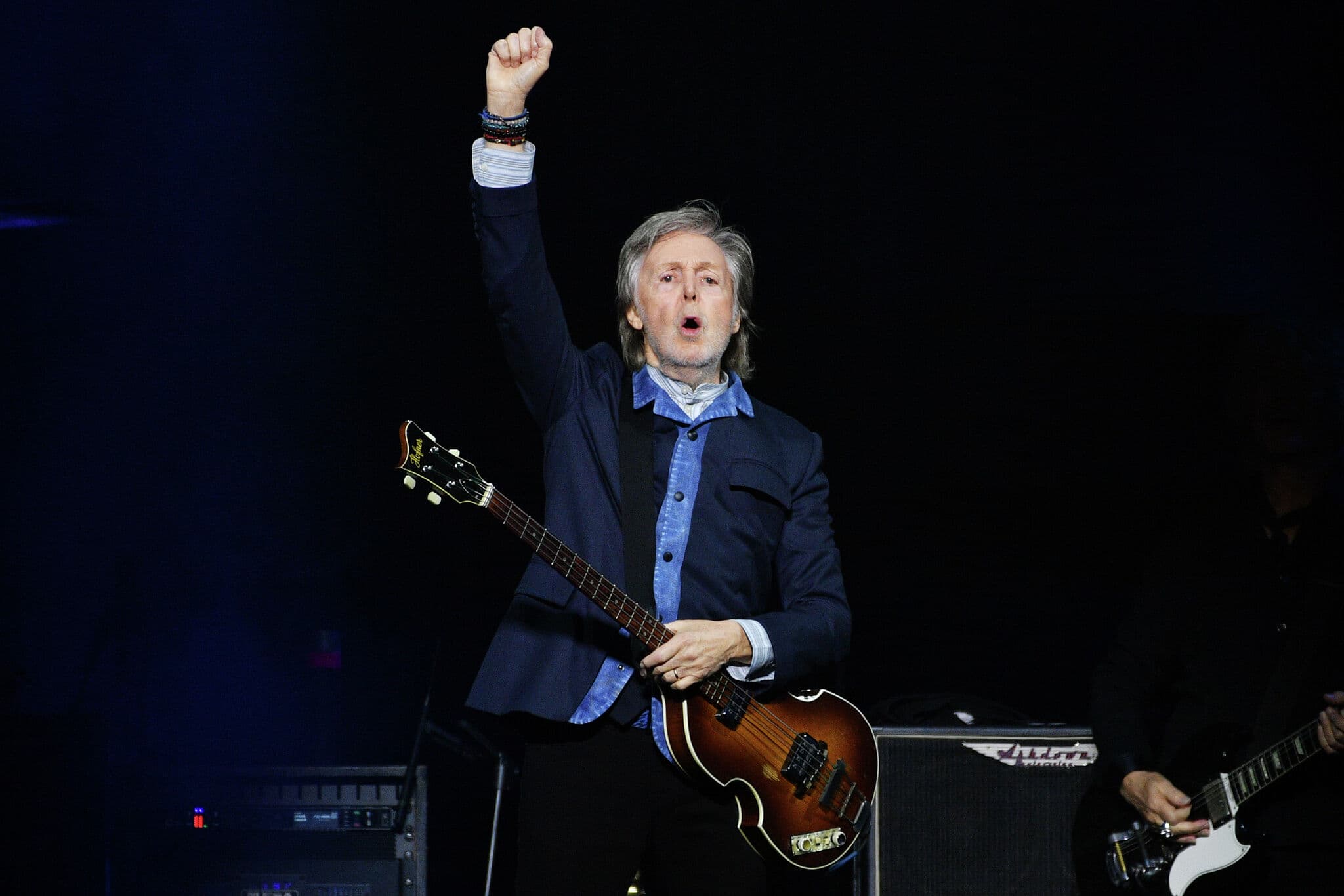
On Tuesday, April 1, 2026, former Beatle Paul McCartney delivered a 25-song private concert for employees at Apple Inc.'s Bay Area headquarters, a high-profile cultural event that underscores the intensifying competition among Silicon Valley giants for top talent and brand prestige. The exclusive performance, complete with pyrotechnics and a three-song encore, represents a significant escalation in the corporate "perk wars" and highlights the strategic use of legacy entertainment icons to bolster corporate culture in the tech sector.
Key Facts
- Performer: Sir Paul McCartney, former member of The Beatles and a solo music icon.
- Host: Apple Inc., the Cupertino-based technology company.
- Date: Tuesday, April 1, 2026.
- Event: A private, employees-only concert.
- Set Details: A 25-song set featuring pyrotechnics and concluding with a three-song encore.
- Finale: The concert's encore concluded with the Beatles' song "The End" from the 1969 album Abbey Road.
Analysis
The private McCartney concert at Apple Park is far more than a lavish employee perk; it is a calculated move in a specific and heated strategic context. Apple is currently engaged in a multifaceted battle with rivals like Google, Meta, and Microsoft for elite engineers and designers, particularly in the fields of artificial intelligence and mixed reality. With tech salaries and equity packages increasingly standardized, corporate culture and unique experiential benefits have become critical differentiators. In February 2026, Google’s parent company, Alphabet, reported spending a record $3.1 billion on "employee development and engagement," a category that includes such high-profile events. Apple’s decision to secure an artist of McCartney’s caliber—whose touring company reportedly commands fees well into the millions for private events—signals its willingness to invest heavily to maintain its aura as the industry’s most desirable workplace, especially as it prepares for major product launches in a challenging market.
This event also serves as a powerful tool for internal morale and brand alignment at a pivotal time. Apple is on the cusp of launching its next-generation Vision Pro headset and is deeply invested in the AI race, areas requiring intense, focused innovation. Bringing in a globally revered artist like McCartney, whose career embodies longevity, creativity, and mass appeal, sends a clear internal message about the company’s values and ambitions. Furthermore, it reinforces Apple’s historic link between technology and the creative arts, a connection famously forged in the 2000s with the "Silhouettes" iPod campaign and the company’s deep integration with the music industry via iTunes and Apple Music. In an era where AI-generated music is becoming commercially viable, Apple’s celebration of a foundational human artist can be interpreted as a statement on the enduring value of human creativity.
The broader implication is the further blurring of lines between the tech industry and the entertainment economy. Silicon Valley firms are no longer just platforms or distributors; they are becoming dominant patrons and curators of culture. This concert follows a pattern of tech companies leveraging exclusive access to cultural capital. In 2025, OpenAI hosted a private performance by Billie Eilish for its developers, while Salesforce has long anchored its annual Dreamforce conference with major musical acts. These events function as both recruitment tools and strategic branding, positioning tech corporations not merely as workplaces but as cultural epicenters. For the music industry, these private corporate gigs represent a lucrative new revenue stream, insulating top artists from the volatility of public ticket sales. Live Nation reported in its Q4 2025 earnings that the "private corporate event" segment grew 40% year-over-year, becoming a material part of its business.
What's Next
The immediate aftermath will focus on the internal and competitive ripple effects. Employee reactions on platforms like Blind and LinkedIn will be scrutinized for their impact on Apple’s recruitment metrics over the next quarter. More consequentially, industry analysts will watch for retaliatory moves from Apple’s direct competitors. A private concert of this magnitude raises the stakes, and it is plausible that a company like Meta, which is aggressively hiring for its metaverse ambitions, or NVIDIA, which is at the forefront of the AI hardware boom, could respond with a similar high-caliber cultural event in the coming months. The next major tech industry conference, such as Google I/O in May or Apple’s own WWDC in June, will be a key venue to gauge whether this trend escalates.
Longer-term, attention will shift to how this form of corporate cultural patronage evolves. The specific choice of Paul McCartney—an 83-year-old icon whose career spans the analog and digital ages—raises questions about which artists tech companies will align with next. Will the focus remain on legacy acts that appeal to a broad, multi-generational workforce, or will companies seek to co-opt the credibility of cutting-edge indie or global artists to project a different image? Furthermore, as these events become more common, their novelty will fade, pushing corporations to seek even more exclusive or immersive experiences, potentially involving bespoke virtual reality components or interactive elements that blend the performance with a demonstration of the company’s own technology.
Related Trends
This story is directly tied to the "Corporate Experience as a Benefit" trend, which has accelerated since the shift to hybrid work models. Companies are investing in in-person events that cannot be replicated remotely to justify office attendance and foster cohesion. A 2025 report by the consulting firm Gartner found that 65% of tech companies have increased their budget for "epic in-office experiences," with live music being a top expenditure. These experiences are designed to create social capital and a sense of belonging that transcends standard compensation packages.
Secondly, the concert exemplifies the "Strategic Nostalgia" trend in technology marketing and internal branding. In a period of rapid, often disruptive technological change, tech firms are leveraging nostalgic cultural touchstones to provide a sense of stability, trust, and shared heritage. Apple’s use of McCartney and the Beatles’ catalog—music that is intimately familiar to employees ranging from Baby Boomers to Gen Z—creates an immediate emotional bridge. This trend is evident across the sector, from Microsoft’s revival of classic video game IPs to Google’s use of retro aesthetics in hardware design. It is a deliberate strategy to humanize large, sometimes impersonal, technological enterprises and anchor their forward-looking projects in comforting, established cultural legacies.
Conclusion
Paul McCartney’s private concert at Apple Park is a vivid symbol of the tech industry’s current phase: a battle for talent fought with cultural artillery, where corporate prestige is measured not just in stock price but in exclusive access to iconic experiences. It highlights the evolving role of major tech companies as cultural arbiters and the increasing financial interdependence between the entertainment and technology sectors.


