TL;DR
The historic imagery from NASA's Artemis II lunar flyby was captured not by bespoke, multi-million dollar space cameras, but primarily by a pair of commercially available Nikon Z 9 mirrorless cameras, with critical support from a retired Nikon D5 DSLR already aboard the Orion spacecraft. This underscores a profound shift in space technology, where off-the-shelf, consumer-grade hardware is now trusted for humanity's most ambitious exploration missions. The immediate impact is a dramatic reduction in cost and development time for future missions, while delivering stunning, public-facing visuals that galvanize support for deep space exploration.
What Happened
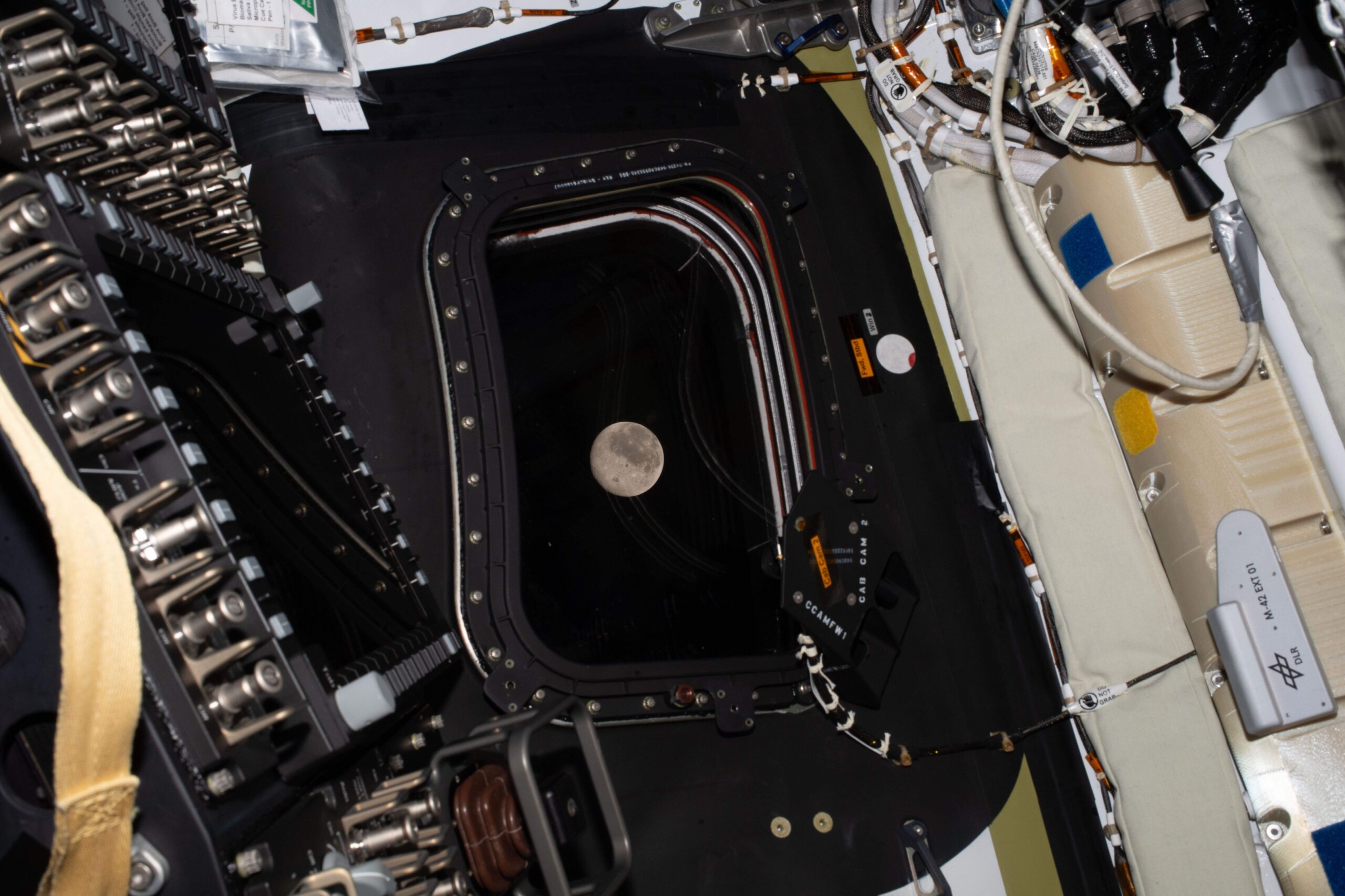
As the Artemis II Orion capsule skimmed just 130 kilometers above the Moon's cratered surface in November 2025, its crew of four astronauts were tasked with documenting the historic return of humans to lunar proximity. The windows were filled with a breathtaking, stark landscape unseen by human eyes since 1972. The primary tools for capturing this moment for history and science were not custom-built NASA instruments, but two Nikon Z 9 cameras specifically modified for the mission, alongside a veteran Nikon D5 that had already logged time in space.
Key Facts
- The primary imaging workhorse was the Nikon Z 9, a 45.7-megapixel full-frame mirrorless camera released to consumers in 2021. NASA purchased and modified at least two units for the Artemis II mission.
- A critical backup was a Nikon D5 DSLR, which was already aboard the Orion spacecraft after flying on the uncrewed Artemis I mission in late 2022. This camera, a model released in 2016, was retired from Nikon's professional lineup years before its second spaceflight.
- NASA’s modifications, managed by engineers at the Johnson Space Center’s Photographic Technology and Electronic Still Documentation Group, focused on operational safety and reliability in the space environment, not image sensor enhancement. Key changes included custom firmware, specialized lubricants, and modifications to the outer shell and buttons for use with pressurized suit gloves.
- The cameras were used to document engineering checks, cabin operations, and, most importantly, the lunar flyby and Earth-rise events, providing essential mission data and public engagement content.
- This continues a long partnership; Nikon cameras have been used on the International Space Station (ISS) for years, but Artemis II marks their first deployment on a deep-space mission beyond Earth orbit.
- The choice highlights a stark contrast with the Apollo era, where cameras like the Hasselblad 500EL were heavily customized and mechanically specialized. The Z 9 is a vastly more complex, computerized device.
- The success of this commercial hardware directly influences the planning for Artemis III, the mission slated to land astronauts on the lunar surface, where documentation will be even more critical.
Breaking It Down
The selection of the Nikon Z 9 is a testament to the blistering pace of consumer technology. Its core capabilities—high-resolution imaging, exceptional low-light performance, and robust 8K video recording—matched or exceeded what a bespoke space camera could offer, at a fraction of the development time and cost. NASA’s engineering challenge shifted from building a camera from scratch to rigorously testing and qualifying an existing product for an environment of extreme radiation, vacuum, and thermal cycling. This "buy and modify" approach is a cornerstone of NASA's broader strategy to control costs and leverage private-sector innovation.
The presence of the retired Nikon D5 from Artemis I is perhaps the most operationally significant detail, proving the concept of hardware reuse and long-term reliability in deep space.
This is not merely about saving money on a camera body. The D5’s successful performance on Artemis I and its subsequent readiness for Artemis II after years in storage or testing validates a crucial principle for sustainable lunar exploration: hardware must survive the deep-space environment and remain operable for multiple missions. This reliability data is priceless for planning the long-term presence envisioned under the Artemis program, where equipment will need to function not for days, but for years, with limited maintenance options. It turns a consumer electronic device into a certified flight component.
Furthermore, the imagery itself serves a dual, critical purpose. While providing engineers with visual data on spacecraft systems and the lunar approach trajectory, its primary public impact is visceral engagement. The stunning, high-dynamic-range photos and videos captured by the astronauts—far superior to Apollo-era film or early digital ISS imagery—are immediate conduits for public and political support. In an era where media quality shapes perception, the ability to broadcast cinematic visuals from the Moon is a powerful tool for maintaining the momentum of a multi-decade, multi-trillion-dollar exploration program.
What Comes Next
The proven performance of commercial cameras on Artemis II sets a clear precedent and accelerates planning for the more complex imaging needs of upcoming missions. The focus now shifts to the lunar surface and the longer-term Gateway lunar outpost.
- Artemis III Surface Documentation: For the 2028 crewed landing, cameras will need to withstand the harsh lunar environment—abrasive dust, extreme temperature swings, and lower gravity. Expect modified versions of the Z 9 or its successors, likely with more extensive external hardening and perhaps standardized mounts on lunar spacesuits and vehicles. Testing of these configurations will intensify throughout 2026 and 2027.
- Integration with Gateway: The planned lunar Gateway station will require permanent, mounted camera systems for both internal monitoring and external views. The success of the handheld Nikons paves the way for using similar commercial imaging sensors in these fixed systems, potentially from other manufacturers like Sony or Canon, who will likely pursue their own space qualification efforts.
- Science Payload Synergy: The next step is tighter integration between documentary cameras and dedicated science instruments. Future missions may see cameras like the Z 9 equipped with interchangeable, scientific-grade filters or linked via Wi-Fi to spectrometers, allowing astronauts to tag visual observations with immediate compositional data.
- Mars Preparation: Every image taken and every camera cycle logged on the Moon provides reliability data for the much longer, more isolated journey to Mars. The camera architecture proven on Artemis could become the baseline for documenting the first human footsteps on another planet in the 2030s or 2040s.
The Bigger Picture
This story is a direct manifestation of the Commercialization of Space Technology. NASA is increasingly acting as an integrator and certifier of best-in-class commercial products, from SpaceX's rockets to Nikon's cameras. This model accelerates development, reduces costs, and injects the fierce innovation cycle of the consumer tech world into the traditionally slow-moving aerospace sector. The Nikon Z 9 was designed for sports and wildlife photographers on Earth; its repurposing for lunar exploration demonstrates a radical convergence of markets.
Secondly, it highlights the critical role of Modularity and Reliability Engineering. The ability to take a standard product and modify it for an extreme environment is a core competency for future space economies. It’s not about inventing entirely new things, but about mastering the process of hardening, testing, and certifying existing technologies for space. This philosophy enables quicker iteration; as Nikon releases a Z 9 II or Z 10, NASA can evaluate and adopt it for a future mission with a qualified modification kit, rather than starting a decade-long development program from scratch.
Key Takeaways
- Commercial-Off-The-Shelf (COTS) Dominance: The Artemis program’s reliance on modified consumer cameras confirms that COTS hardware is now the standard for non-critical systems in human spaceflight, driving down costs and development timelines dramatically.
- Reliability Over Novelty: The reuse of the Artemis I-era Nikon D5 was a quiet but monumental success, proving that long-term hardware reliability in deep space is achievable and is a cornerstone for sustainable exploration.
- Public Engagement as Mission Critical: The primary output of these cameras—breathtaking imagery—is not a side project but a strategic asset essential for maintaining public and political support for expensive, long-term exploration goals.
- Lunar Testbed for Mars: Every operational lesson learned from using this equipment around the Moon directly informs and de-risks the planning for the more challenging and distant human missions to Mars.


