TL;DR
Google's Pixel 11 series, expected in late 2026, will reportedly use Samsung's cutting-edge M16 OLED display panels, the same technology slated for Apple's iPhone 18. This move represents a significant and rare display parity between the two rivals, potentially elevating the Pixel's hardware prestige and intensifying the premium smartphone display wars.
What Happened
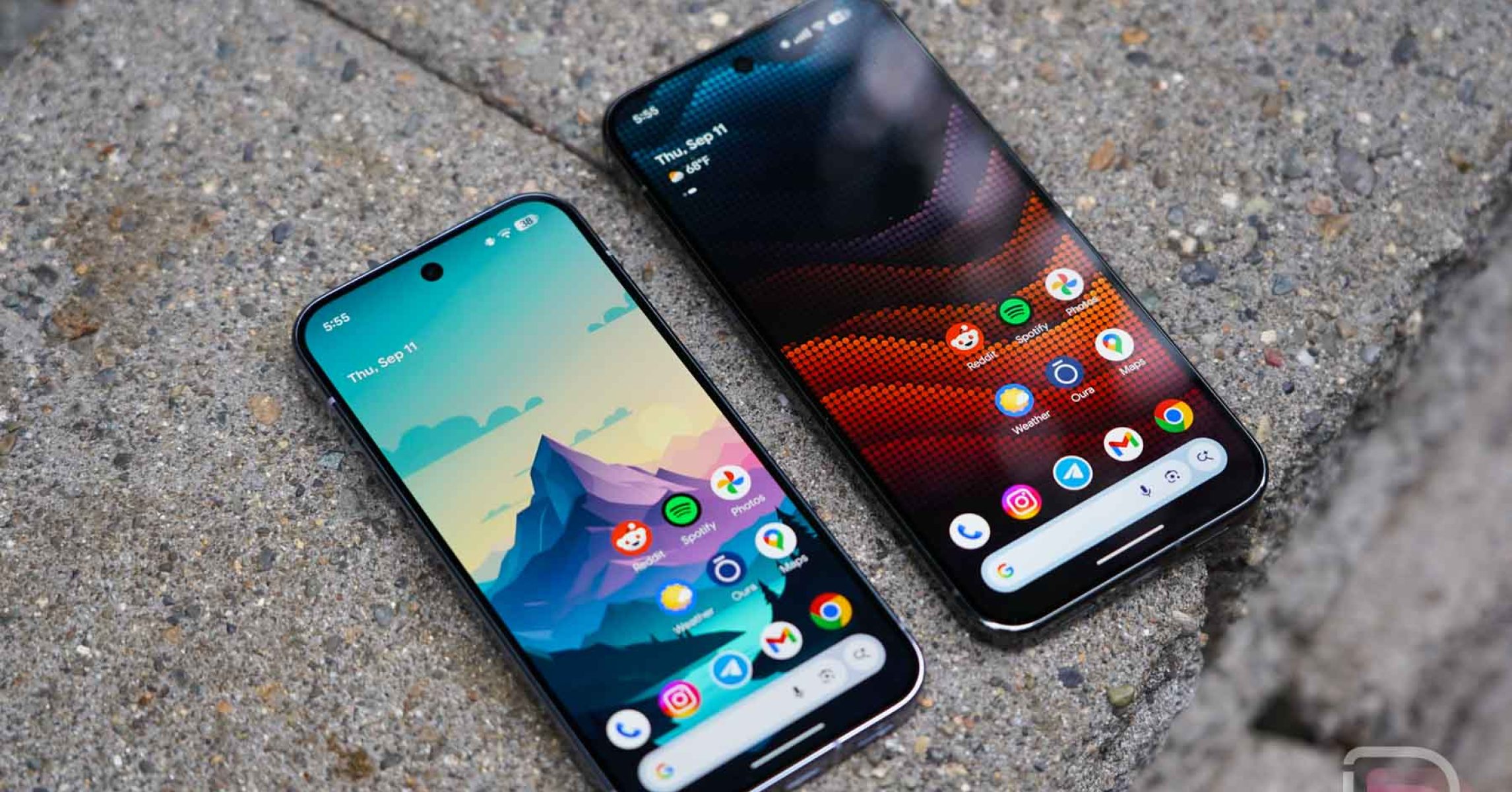
In a major hardware coup, Google has secured Samsung's next-generation M16 OLED display panels for its upcoming Pixel 11 smartphone series. This development, confirmed by industry sources to Droid Life, places Google's flagship on equal footing with Apple's anticipated iPhone 18 lineup, which is also expected to source the same advanced screens from Samsung Display.
Key Facts
- Source: The report originates from industry sources cited by the established tech publication Droid Life on Thursday, April 9, 2026.
- Product: The technology is destined for Google's Pixel 11 series, the company's flagship smartphones expected to launch in October 2026.
- Technology: The panels are Samsung's M16 OLED materials set, representing the next major iteration in Samsung Display's proprietary OLED technology stack.
- Key Spec: While full specifications are not yet public, M16 OLED is said to deliver substantial gains in brightness, efficiency, and color accuracy over the current M13 and M14 series panels.
- Competitive Parity: The same M16 OLED panels are expected to be used by Apple for its iPhone 18 models, creating a rare instance of display sourcing parity between the two tech giants.
- Supplier: The sole supplier is Samsung Display, the dominant force in high-end smartphone OLED panels, which also manufactures screens for its own Galaxy S series.
Breaking It Down
This sourcing decision is a clear strategic shift for Google's Pixel division. For years, the Pixel line has been praised for its best-in-class software and computational photography but often critiqued for using display panels that lagged behind the absolute best available on the market, particularly in peak brightness. By securing the M16 for the Pixel 11, Google is signaling a new, aggressive commitment to matching—or at least not being outclassed by—the core hardware specifications of its chief competitors. This move directly addresses a longstanding point of criticism and could be a pivotal factor in convincing high-end consumers who prioritize display quality.
The same M16 OLED panels are expected to be used by Apple for its iPhone 18 models.
This is the most analytically significant element of the report. Apple and Samsung have long been the twin titans of premium display technology, often leapfrogging each other with exclusive supply deals or proprietary advancements. For Google to secure the same foundational panel technology as Apple, and in the same product cycle, is highly unusual. It suggests that Samsung Display is confident enough in its M16 production capacity to supply two of its largest and most demanding customers simultaneously. It also indicates that Google was willing to pay a premium and commit to the volume necessary to be a "first-tier" customer alongside Apple, a status it has not always held in component sourcing.
The implications for the Pixel 11 are profound. Display quality is one of the most immediately perceptible differentiators for users. A top-tier M16 panel would allow Google to finally market the Pixel as having a display that is unequivocally best-in-class, removing a key hardware asterisk. Furthermore, it creates a powerful marketing narrative: the Pixel 11 would not just have a "great" screen, it would have the same cutting-edge screen technology as that year's iPhone. This narrative of parity could be more valuable than any spec sheet, helping to reposition the Pixel in the consumer's mind as a true peer to the industry's gold standard.
However, the panel is only one part of the display system. Apple is renowned for its meticulous calibration and integration of hardware and software. Google will need to demonstrate similar prowess in tuning the M16 panel to work flawlessly with its Tensor G4 (or G5) chip and Android software. The ultimate user experience—smoothness, color accuracy, HDR performance, and power management—will depend as much on this integration as on the raw capabilities of the Samsung-supplied substrate.
What Comes Next
The confirmation of the M16 panel sets the stage for a critical pre-launch period for the Pixel 11. All eyes will now turn to how Google leverages this hardware foundation and what complementary technologies it announces.
- Official Specification Reveals (Summer 2026): As the October launch approaches, Google will begin to officially tease specifications. Key details to watch for are the confirmed peak brightness figures (will it exceed 3,000 nits?), the specific efficiency claims, and any details on new LTPO backplane technology for improved variable refresh rates.
- Apple's iPhone 18 Announcement (September 2026): Apple's unveiling will serve as a de facto public benchmark for the M16 panel's capabilities. Tech reviewers and analysts will dissect Apple's claims about display performance, creating a direct preview of the core hardware in the Pixel 11. Google's challenge will be to differentiate its implementation.
- Pixel 11 Launch Event (October 2026): The final integration will be judged. The launch presentation must highlight not just the panel's specs, but the unique software features it enables—perhaps in always-on display modes, photography previews, or gaming. Third-party tear-downs will also confirm the Samsung Display sourcing.
- Comparative Reviews (Late October 2026): The ultimate test will be side-by-side reviews with the iPhone 18 Pro and Samsung's Galaxy S27, which will likely use a further-optimized or even newer panel. These reviews will determine if Google has successfully closed the perceived display gap.
The Bigger Picture
This move is a microcosm of two major trends reshaping the smartphone industry. First, it highlights the commoditization of peak hardware. As innovation in core smartphone components like processors, cameras, and displays becomes increasingly concentrated among a few suppliers (like Samsung Display, TSMC, and Sony), flagships are converging on similar hardware foundations. The true differentiation is shifting ever more decisively to software, AI, and ecosystem integration. Google securing the M16 panel is an admission that it can no longer afford to be behind on this front.
Second, it underscores Google's deepening vertical integration strategy. While the panel is sourced, pairing it with the in-house Tensor chip allows Google to optimize the entire stack, from the silicon to the pixels. This is a page from Apple's playbook. The goal is to control the key experiential pillars—performance, display, and camera—to create a cohesive and distinctive user experience that pure Android licensees cannot easily replicate. The M16 deal is a critical piece in building that controlled, premium hardware platform.
Key Takeaways
- Display Parity Achieved: Google's Pixel 11 will reportedly share the same foundational Samsung M16 OLED display technology as Apple's iPhone 18, eliminating a longstanding hardware disadvantage.
- Supplier Power Consolidates: Samsung Display's role as the indispensable supplier of the world's best smartphone panels is reinforced, supplying the three largest premium brands: Samsung itself, Apple, and now Google.
- Hardware Becomes Table Stakes: Access to top-tier components like the M16 panel is becoming a prerequisite for competing in the premium segment, forcing companies like Google to invest heavily in supply chain negotiations.
- Differentiation Shifts to Software: With core hardware increasingly similar, the battle for premium smartphone buyers will hinge even more on AI features, software optimization, and ecosystem lock-in, areas where Google is betting big.