TL;DR
The game Pickmos was removed from Steam on April 17, 2026, following direct intervention from its publisher, Playstack, which stated it would now be "supervising the Pickmos team." This swift action underscores a growing trend of publishers and platforms preemptively policing copyright infringement to avoid legal repercussions from industry giants like Nintendo.
What Happened
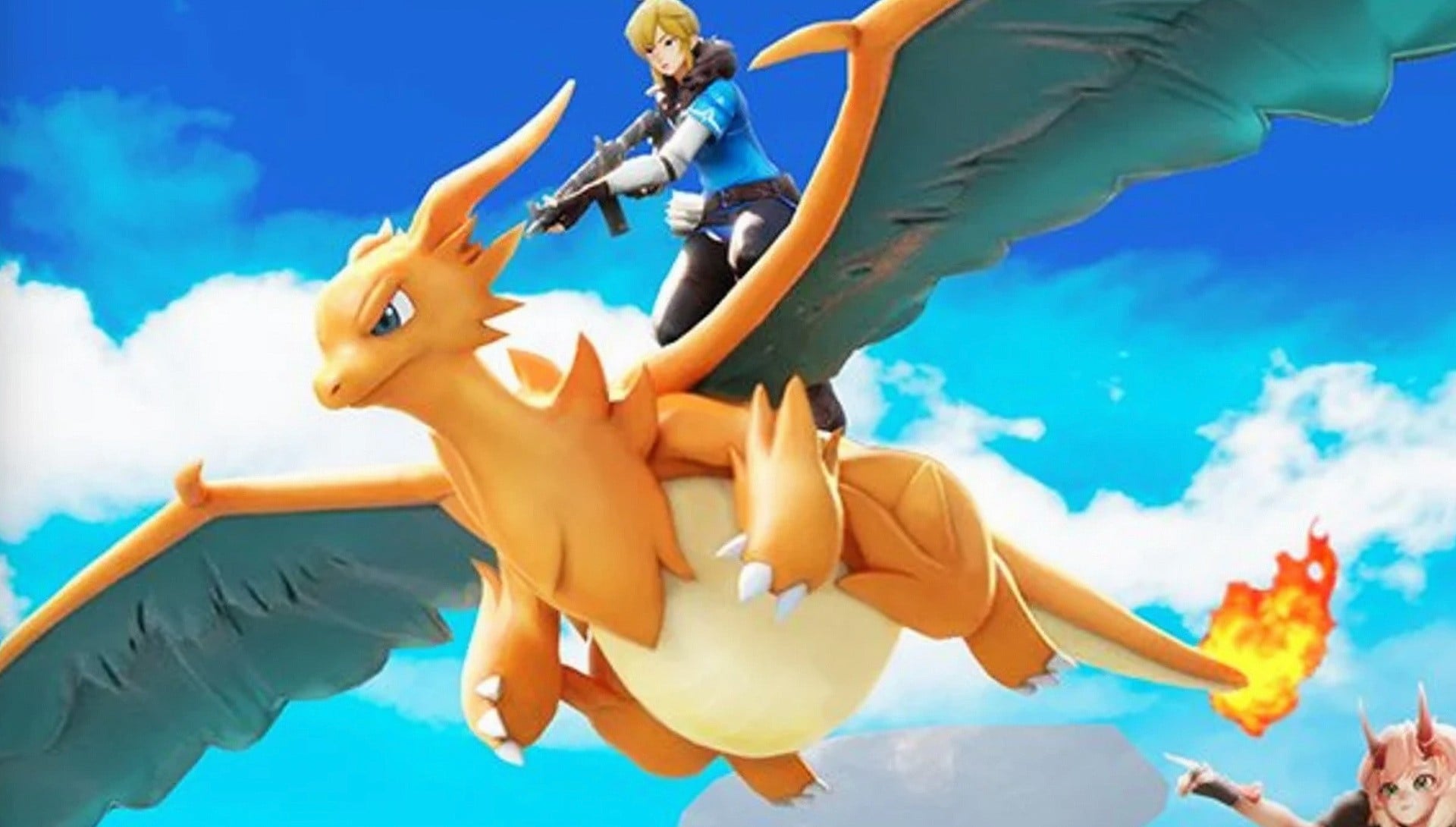
On Friday, April 17, 2026, the Steam storefront page for the game Pickmos went dark. Its removal was not the result of a takedown notice from Nintendo’s legal team, but a proactive decision by its own publisher, Playstack, which publicly announced it was stepping in to supervise the controversial project. This move abruptly ended the game's brief and contentious public visibility, which had been fueled by accusations it was a blatant rip-off of Nintendo’s iconic Pokémon and The Legend of Zelda franchises.
Key Facts
- The game Pickmos was removed from the Steam digital storefront on Friday, April 17, 2026.
- The removal was initiated by its own publisher, Playstack, which stated, “We will be supervising the Pickmos team.”
- Prior to removal, the game faced widespread public criticism for its apparent cloning of core mechanics and aesthetics from Nintendo’s Pokémon and The Legend of Zelda series.
- The publisher’s intervention occurred before any public legal action was taken by Nintendo, representing a preemptive strike.
- The development team behind Pickmos, Dya Games, has not issued a public statement following the takedown.
- This incident follows a long history of Nintendo aggressively protecting its intellectual property, including numerous lawsuits against fan games and clones.
- The game’s Steam listing, now inaccessible, had reportedly garnered significant attention and backlash across gaming forums and social media in the days leading to its removal.
Breaking It Down
The removal of Pickmos is a textbook case of modern intellectual property defense, but with a critical twist: the enforcement came from within the game’s own commercial chain. Typically, a company like Nintendo would issue a Digital Millennium Copyright Act (DMCA) takedown notice to Valve, the operator of Steam. Instead, Playstack acted as its own internal regulator. This suggests the publisher conducted a rapid risk assessment, concluding that the legal and reputational dangers of associating with the title far outweighed any potential revenue. For a publisher, being drawn into a legal battle with Nintendo—a company renowned for its fierce and successful IP protection—is a worst-case scenario that can involve costly litigation and lasting brand damage.
The publisher’s preemptive move likely saved it from a direct confrontation with Nintendo, a company that secured over $1.1 billion in revenue from Pokémon-related video game content in 2025 alone.
The financial stakes for Nintendo are astronomical. Its franchises are not just games; they are multimedia empires. A clone like Pickmos doesn't merely compete for sales; it dilutes brand integrity and can confuse consumers in a market where Nintendo’s family-friendly identity is paramount. By stepping in, Playstack has effectively acknowledged the market reality that some IP is too fortified to challenge. This incident also places indirect but immense pressure on platforms like Steam. While Valve has historically taken a more hands-off approach to curation, high-profile cases like this force the platform to consider whether more proactive screening is necessary to maintain relationships with major developers and avoid being seen as a haven for infringement.
The silence from Dya Games is equally telling. Without the publisher’s support, an independent developer has little recourse. The project is likely shelved permanently, or will require a complete, ground-up rebranding and mechanical overhaul to ever see the light of day again. This dynamic highlights the power imbalance in the industry: a developer’s creative (or derivative) work can be extinguished not by a courtroom judgment, but by a business decision from its own financial backer who fears a larger adversary.
What Comes Next
The immediate fallout from the Pickmos delisting will set the tone for how similar cases are handled in the near future. The key developments to watch will revolve around accountability, platform policy, and the fate of the project itself.
- The Fate of "Pickmos" and Dya Games: The central question is whether Playstack’s “supervision” will lead to a radically altered, legally distinct game, or if the project is canceled outright. Monitoring the corporate registration and digital footprints of Dya Games for new project filings or a formal dissolution will provide clues.
- Formal Communication from Involved Parties: Expect scrutinized statements from Playstack clarifying its internal review policies and from Valve/Steam regarding its stance on publisher-initiated takedowns. Any comment from Nintendo, even a standard “we appreciate steps taken to protect IP,” will be significant.
- Industry Ripple Effects: Other publishers and developers working on titles inspired by major franchises will now be conducting urgent legal reviews. A wave of preemptive alterations or quiet cancellations of similar "clone" projects in development could occur throughout 2026.
- Legal and Community Reaction: Watch for analysis from intellectual property law firms publishing advisories on this case. Simultaneously, the gaming community and modding forums will debate the implications for fan projects and the line between inspiration and infringement.
The Bigger Picture
The Pickmos incident is a microcosm of two powerful, converging trends in the technology and gaming sectors. First, it exemplifies the Proactive IP Policing by Publishers and Platforms. In an era where viral backlash can cause immediate financial harm, companies are no longer waiting for rights-holders to act. They are deploying internal compliance teams to scan for legal vulnerabilities, effectively becoming the first line of copyright enforcement. This shifts the legal burden downstream and creates a more cautious, arguably sanitized, development environment.
Second, this event is fueled by the Democratization and Perils of Game Development Tools. Powerful, accessible engines like Unity and Unreal Engine have lowered the barrier to entry, enabling small teams like Dya Games to create visually convincing games quickly. However, this accessibility also makes it easier to produce sophisticated clones, forcing the industry to confront infringement at a much higher volume and with more nuanced legal arguments than in the era of simple, pixelated knock-offs. The tension between creative accessibility and IP protection has never been more acute.
Key Takeaways
- Publisher-Led Enforcement: The primary action came from the infringing game’s own publisher, Playstack, highlighting a new front in IP protection where business partners act as preemptive gatekeepers.
- Nintendo’s Shadow Influence: Nintendo did not need to lift a legal finger; its longstanding reputation for aggressive litigation was enough to compel another company to do the takedown for it.
- Steam’s Passive Role: The platform Steam served as a passive marketplace, with the enforcement action originating externally. This maintains its hands-off reputation but raises questions about its long-term responsibility for content screening.
- Death of the "Clone" Business Model: For small developers, the financial risk of creating blatant clones of mega-franchises has skyrocketed, as publishers and investors will now see such projects as untenable legal liabilities.