TL;DR
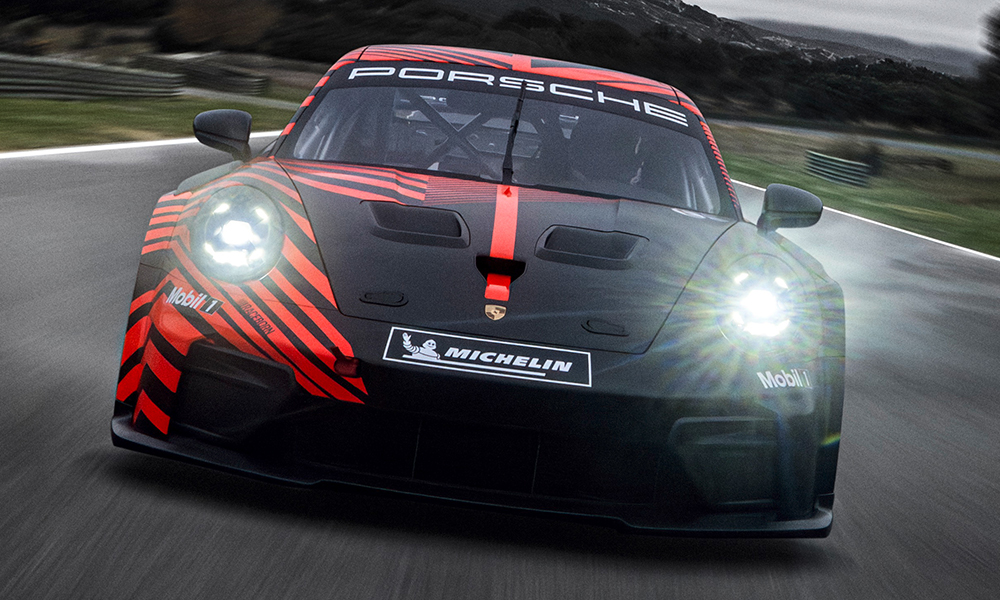
Porsche has officially replaced the 718 Cayman GT4 with a new 911 GT4 R, a Cup-based model designed to compete in GT4-class racing beginning in 2027. This marks the first time a 911 variant has been homologated for the GT4 category, signaling a major strategic shift in Porsche's customer racing lineup and potentially reshaping the competitive balance in global GT4 championships.
What Happened
Porsche has unveiled the 911 GT4 R, a direct replacement for the 718 Cayman GT4 in the manufacturer's customer racing portfolio, with the new model set to debut in GT4-class competition beginning next year. The announcement, first reported by Sportscar365 on June 25, 2026, confirms that Porsche is abandoning the mid-engine Cayman platform for its entry-level GT racing car, instead adapting the rear-engine 911 architecture — already proven in the 911 GT3 R and 911 GT3 Cup — to the lower-horsepower, production-based GT4 regulations.
Key Facts
- The 911 GT4 R is based on the 992-generation 911 Cup car, sharing its 4.0-liter naturally aspirated flat-six engine and rear-wheel-drive layout, but detuned to meet GT4-class power limits.
- The car replaces the 718 Cayman GT4, which had been Porsche's GT4 offering since 2019 and was derived from the 718 Cayman GT4 Clubsport.
- Porsche will begin customer deliveries of the 911 GT4 R in early 2027, with the first race entries expected in March 2027 at the Sebring International Raceway during the IMSA Michelin Pilot Challenge season opener.
- The 911 GT4 R is homologated for FIA GT4 regulations, allowing it to compete in GT4 European Series, British GT Championship, Nürburgring Langstrecken Serie (NLS), and Australian GT4.
- Porsche Motorsport has confirmed a base price of €225,000 (approximately $242,000 USD), a 12% increase over the final 718 Cayman GT4 Clubsport pricing.
- The car features modified aerodynamics including a larger rear wing and revised front splitter to compensate for the rear-engine weight distribution compared to the mid-engine Cayman.
- Porsche expects to produce 150 units for the 2027 model year, with an option to scale to 200 units depending on demand.
Breaking It Down
The decision to swap the mid-engine 718 Cayman for the rear-engine 911 in the GT4 category is not a minor model refresh — it is a fundamental rethinking of Porsche's customer racing strategy. The 718 Cayman GT4 Clubsport was a purpose-built track tool that leveraged the Cayman's inherently balanced mid-engine chassis to deliver predictable handling and strong cornering performance. However, the Cayman platform has been discontinued for road-car production, and Porsche's racing division faced a choice: invest in a bespoke GT4 car based on a dead platform, or adapt the 911 — the company's flagship and most developed racing architecture.
The 911 GT4 R's engine produces approximately 510 horsepower, which is 30 hp less than the 911 GT3 Cup but 50 hp more than the outgoing 718 Cayman GT4 Clubsport, placing it at the upper limit of GT4-class power restrictions.
This power increase, combined with the 911's rear-weight bias, creates a fundamentally different driving character. The 718 Cayman GT4 was known for its neutral, forgiving handling that made it popular among gentleman drivers and amateur racers. The 911 GT4 R will be more aggressive, with a tendency toward oversteer on corner exit that rewards skilled drivers but punishes mistakes. Porsche Motorsport has responded with revised traction control software and a new rear suspension geometry borrowed from the 911 GT3 R, but the core dynamic signature will remain unmistakably 911.
The pricing also signals a strategic shift. At €225,000, the 911 GT4 R is €25,000 more expensive than the final 718 Cayman GT4 Clubsport. This puts it in direct competition with the BMW M4 GT4 (€199,000) and Audi R8 LMS GT4 (€215,000). Porsche is betting that the 911's prestige and parts commonality with the 911 GT3 Cup — the world's best-selling race car — will justify the premium. Teams that already run Cup cars will benefit from shared components like brakes, suspension uprights, and electronics, reducing spare-parts inventory costs.
What Comes Next
The 911 GT4 R enters a crowded market that is already seeing consolidation. Several manufacturers have exited GT4 racing in recent years, including McLaren and Ford, while Toyota and Hyundai have entered with the GR Supra GT4 and Elantra N GT4, respectively. Porsche's move could trigger a response from rivals.
- March 2027: The 911 GT4 R's first race at Sebring will be closely watched for reliability and pace. A podium finish would validate Porsche's engineering decisions; a DNF would raise questions about the rear-engine layout in GT4.
- Mid-2027: The FIA is expected to release updated Balance of Performance (BoP) data for the 911 GT4 R after the first three race weekends. Porsche's historical lobbying power in BoP negotiations will be tested.
- Late 2027: Porsche will decide whether to offer a customer upgrade kit for existing 718 Cayman GT4 Clubsport owners, potentially including engine and suspension parts to extend the life of older cars.
- 2028: The 911 GT4 R is expected to be eligible for the Nürburgring 24 Hours SP10 class, where Porsche will aim to reclaim the class win from BMW and Mercedes-AMG.
The Bigger Picture
This announcement sits at the intersection of two broader trends: platform consolidation and electrification pressure. Porsche is streamlining its racing portfolio by using the 911 as a single base for GT3, GT4, and Cup categories, reducing development costs and supply chain complexity. This mirrors what Ferrari has done with the 296 GT3 and 296 Challenge, and what Lamborghini is attempting with the Huracán GT3 and Super Trofeo — one platform, multiple racing variants.
At the same time, the 718 Cayman's discontinuation is directly tied to Porsche's electrification strategy. The next-generation 718 will be fully electric, making a combustion-engined GT4 variant impossible. The 911 GT4 R ensures that Porsche retains a combustion-engined entry-level race car while the brand transitions its road-car lineup toward EVs. This dual-track approach — electric road cars, combustion race cars — is becoming standard across the industry, with Audi, BMW, and Mercedes-AMG all maintaining ICE racing programs alongside EV road-car launches.
Key Takeaways
- [911 GT4 R Confirmed]: Porsche has officially replaced the 718 Cayman GT4 with a 911-based GT4 car, ending the mid-engine era in its customer racing lineup.
- [Price Increase of 12%]: At €225,000, the 911 GT4 R costs significantly more than its predecessor, positioning it as a premium option in the GT4 market.
- [First Race in March 2027]: The car will make its competitive debut at Sebring in the IMSA Michelin Pilot Challenge, a high-stakes test for rear-engine GT4 dynamics.
- [Platform Consolidation Strategy]: The move aligns with Porsche's broader shift toward using the 911 as a single racing platform across GT3, GT4, and Cup categories, reducing costs and complexity.