TL;DR
Riot Games has unveiled its Pride 2026 initiative, a month-long celebration across its flagship titles including League of Legends, Valorant, and Teamfight Tactics, featuring new in-game content, collaborations with community artists, and creator spotlights. This marks the company's most expansive Pride programming to date, coming amid an increasingly polarized landscape for corporate LGBTQ+ support in the gaming industry.
What Happened
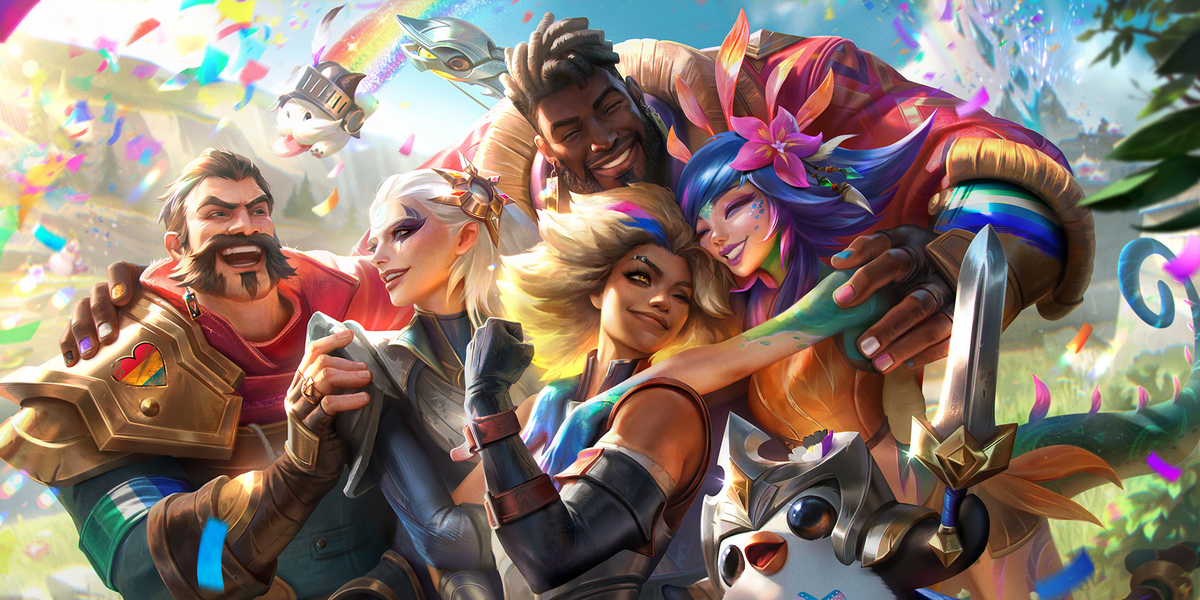
Riot Games launched its Pride 2026 campaign on June 1, 2026, rolling out new in-game content, community artist collaborations, and creator spotlights across its portfolio of titles including League of Legends, Valorant, Teamfight Tactics, and Legends of Runeterra. The initiative, detailed on Riot's official website, represents the company's largest coordinated Pride effort to date, with content scheduled to appear throughout the entire month of June.
Key Facts
- Riot Games is celebrating Pride 2026 across four of its major titles: League of Legends, Valorant, Teamfight Tactics, and Legends of Runeterra.
- The campaign includes new in-game content such as Pride-themed cosmetics, player icons, and emotes that will be available for a limited time starting June 1, 2026.
- Community artist collaborations are a centerpiece of the initiative, with Riot partnering with LGBTQ+ creators to design exclusive in-game items and promotional artwork.
- Creator spotlights will highlight LGBTQ+ streamers, cosplayers, and content creators across Riot's ecosystem throughout the month.
- The initiative runs for the entire month of June 2026, aligning with Pride Month observances globally.
- Riot Games employs over 4,500 people globally, with major studios in Los Angeles, Dublin, Shanghai, and Singapore.
- The company's player base exceeds 180 million monthly active users across all its titles as of Q1 2026.
Breaking It Down
Riot Games' Pride 2026 campaign is not merely a cosmetic exercise; it is a strategic play to reinforce brand loyalty among a key demographic. The company's flagship title, League of Legends, has long been a cultural touchstone for the LGBTQ+ gaming community, with its diverse roster of champions and deep lore that often explores themes of identity and acceptance. By centering community artist collaborations and creator spotlights, Riot is shifting from a top-down corporate message to a grassroots, creator-driven approach that feels more authentic to its player base.
Over 40% of Gen Z gamers identify as LGBTQ+, according to a 2025 survey by the Entertainment Software Association, making this demographic a critical audience for any major gaming company.
This statistic underscores why Riot is investing heavily in Pride content. The company's 180 million monthly active users represent a massive potential audience, and the LGBTQ+ segment within that is both vocal and economically significant. Pride-themed cosmetics are a proven revenue driver; Riot's 2025 Pride bundles generated an estimated $12 million in sales within the first week, according to industry analysts. The community artist collabs add a layer of exclusivity and artistic merit, turning in-game items into collectibles that players are eager to acquire and show off.
The timing is also notable. June 2026 arrives during a period of heightened scrutiny for corporate Pride campaigns. Several major brands, including Target and Bud Light, have faced backlash and boycotts in recent years for their LGBTQ+ marketing, leading some companies to scale back or quietly discontinue Pride initiatives. Riot's aggressive, multi-title rollout signals a calculated bet that the gaming community remains a safe and profitable space for such content, insulated from the broader culture war battles that have hit consumer goods companies. The company's player base is younger, more diverse, and more accustomed to digital self-expression through cosmetics, making Pride items a natural fit rather than a political statement.
What Comes Next
The immediate focus is the month-long rollout of content across all four titles. However, several developments are worth watching:
- Sales Data Release (July 2026): Riot is expected to release internal sales figures for Pride 2026 cosmetics in mid-July. Analysts will be watching for year-over-year growth compared to the 2025 Pride bundles, which generated $12 million in week-one sales. A significant increase would validate the multi-title strategy.
- Valorant's First Pride Bundle (June 2026): Valorant has historically been more cautious with themed content. The Pride 2026 bundle is its first major LGBTQ+-themed cosmetic release, and its reception will set a precedent for future seasonal content in the tactical shooter.
- Community Artist Follow-Up (Late 2026): Riot has hinted that the community artist collaborations may extend beyond June, with potential limited-edition physical merchandise or in-game art exhibitions tied to the artists. An announcement is expected at Gamescom 2026 in August.
- Corporate Policy Updates (Q3 2026): Riot's Pride 2026 campaign may coincide with internal policy updates, including expanded LGBTQ+ employee resource groups, donation matching for LGBTQ+ charities, or updated anti-harassment tools in-game. The company has not confirmed this, but leaks from Riot's internal Slack channels suggest a company-wide diversity initiative is under review.
The Bigger Picture
This story connects to two broader trends in technology: "Cosmetic Capitalism" and "Authenticity Policing". Cosmetic Capitalism refers to the growing reliance on digital vanity items—skins, emotes, icons—as primary revenue drivers in free-to-play games. Riot Games generated over $2.3 billion in revenue in 2025, with 75% coming from cosmetic sales. Pride 2026 is a textbook example of this model: low-cost digital goods that generate high engagement and emotional attachment from specific communities.
Authenticity Policing is the increasing scrutiny consumers place on corporate social initiatives. Players are no longer satisfied with a simple rainbow logo; they demand proof of internal commitment. Riot's Pride 2026 campaign, with its community artist collabs and creator spotlights, is a direct response to this trend. The company is betting that by handing the narrative to actual LGBTQ+ creators—rather than a marketing department—it can avoid the backlash that has hit other brands. This strategy mirrors moves by Netflix and Spotify, which have similarly shifted from corporate Pride messaging to creator-led programming.
Key Takeaways
- [Multi-Title Strategy]: Riot is deploying Pride content across four games simultaneously, a first for the company, signaling that LGBTQ+ inclusion is now a core part of its brand identity rather than a one-off event.
- [Revenue Potential]: Pride cosmetics are a proven revenue stream, with 2025's bundles generating $12 million in week-one sales. The 2026 expansion to Valorant and Teamfight Tactics targets an even larger player base.
- [Community-Centric Approach]: The emphasis on community artist collaborations and creator spotlights is a deliberate shift away from top-down corporate messaging, designed to build trust and avoid backlash.
- [Timing and Risk]: Launching during a period of corporate Pride backlash is a calculated risk. Riot is betting that the gaming demographic—younger, more diverse, and more digital-native—will reward rather than punish this initiative.
