TL;DR
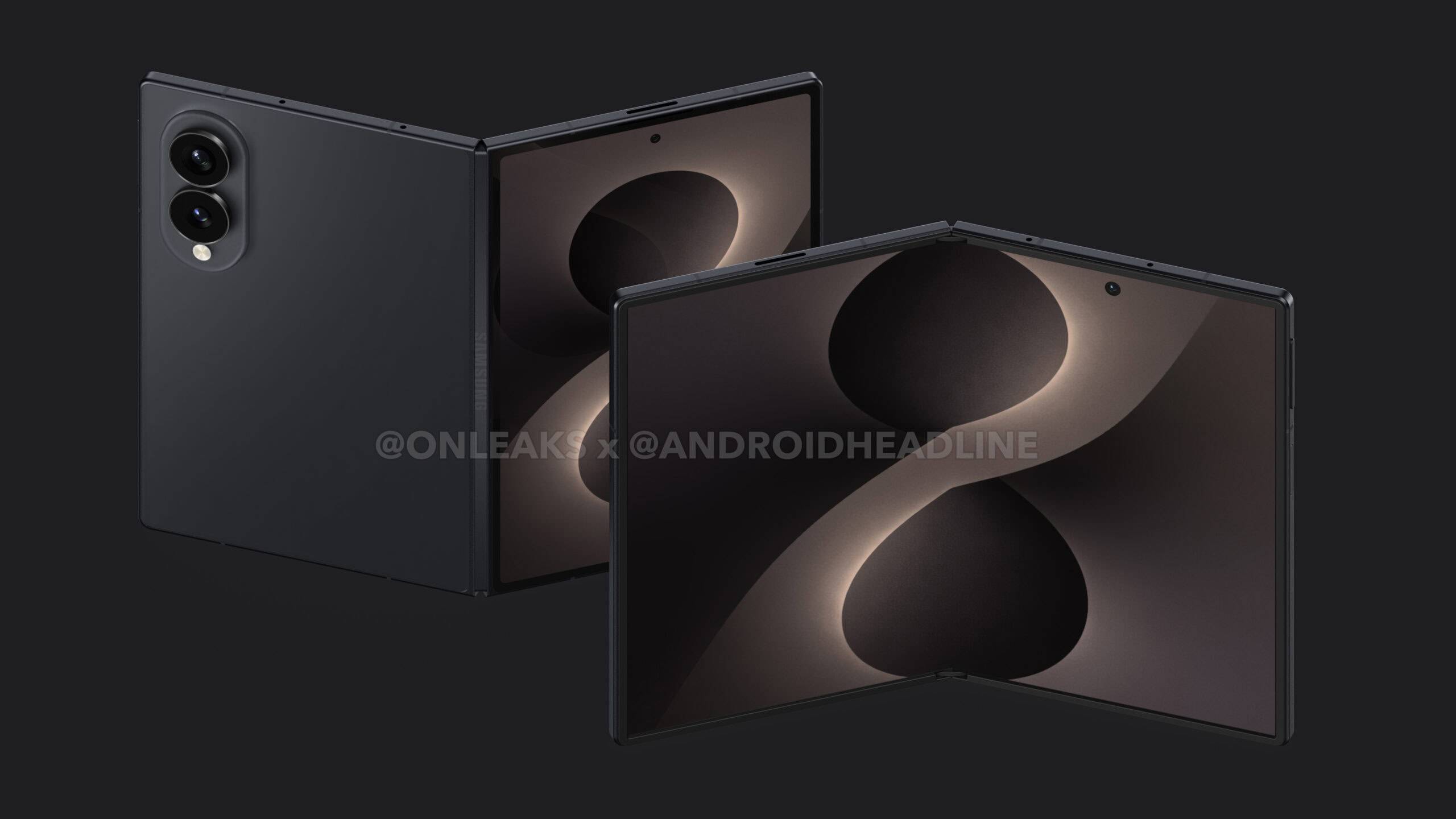
Samsung has accidentally revealed its upcoming Wide Fold and Galaxy Z Fold 8 devices in images embedded within the One UI 9 beta software, marking the second consecutive year the company has leaked its own foldables through its software. This matters because it confirms Samsung is developing a radically different foldable form factor—the Wide Fold—that could challenge the current book-style design paradigm, and the leak happened on May 5, 2026, just weeks before the expected Unpacked launch.
What Happened
Android Authority researchers discovered images of Samsung's unreleased Wide Fold and Galaxy Z Fold 8 hidden inside the One UI 9 beta software on Tuesday, May 5, 2026. The images, which were not meant to be user-facing, show two distinct foldable devices in what appears to be Samsung's internal demonstration or promotional materials, confirming that the company is actively preparing both a traditional foldable successor and an entirely new form factor.
Key Facts
- Android Authority found the leaked images while digging through Samsung's One UI 9 beta code, which was released to developers on April 28, 2026.
- The images depict two devices: the Wide Fold, a horizontally folding device that opens into a square-like aspect ratio, and the Galaxy Z Fold 8, a refinement of the existing book-style foldable.
- The Wide Fold appears to have a 4:3 inner display when unfolded, significantly wider than the current Z Fold 7's 6:5 ratio, allowing for a more tablet-like experience.
- The Galaxy Z Fold 8 retains the vertical book-style design but shows a thinner bezel and a slightly larger cover display compared to the Z Fold 7.
- This is the second consecutive year Samsung has leaked upcoming foldables through its software: in May 2025, One UI 8 beta images revealed the Z Fold 7 and Z Flip 7 before their official unveiling.
- Samsung's Unpacked event is expected in late July 2026, where both devices are anticipated to launch alongside the Galaxy Watch 8 series.
- The leaks were first reported by Android Authority on May 5, 2026, and have been verified by multiple independent developers who examined the same software build.
Breaking It Down
The most striking aspect of this leak is not that Samsung's software team made another mistake—it's the Wide Fold itself. For years, Samsung has iterated on the same book-style foldable formula, with the Z Fold series gradually improving hinge durability, display crease visibility, and camera performance. The Wide Fold represents a fundamental departure: a device that folds horizontally, opening like a wallet or a passport to reveal a square-like 4:3 display.
The Wide Fold's 4:3 aspect ratio is a direct challenge to the iPad Mini's dominant 8.3-inch, 4:3 display, suggesting Samsung is targeting the $499–$649 tablet market with a foldable that can fit in a pocket.
This form factor has been rumored for years but never materialized. The 4:3 ratio is significant because it matches the aspect ratio of most tablets and many professional monitors, making it ideal for document editing, reading, and multitasking. Current Z Fold devices use a 6:5 inner display when unfolded, which is taller and narrower—fine for video but awkward for split-screen work. The Wide Fold could solve this by offering a near-square canvas that splits naturally into two 2:3 panels, each resembling a standard smartphone screen.
The Galaxy Z Fold 8 leak, meanwhile, suggests Samsung is not abandoning its core foldable line. The images show a device that is thinner by approximately 0.5mm compared to the Z Fold 7, with a cover display that has grown from 6.2 inches to 6.4 inches. This incremental improvement pattern is familiar: Samsung has used the Z Fold line to perfect hinge technology and display durability, while reserving radical design changes for new product lines. The Z Fold 8 will likely feature the Snapdragon 8 Gen 5 processor and an improved 200MP main camera, but the hardware design appears evolutionary, not revolutionary.
The repeated nature of these leaks raises questions about Samsung's software security protocols. In May 2025, One UI 8 beta images revealed the Z Fold 7 and Z Flip 7. Now, one year later, the same pattern has occurred with One UI 9. This suggests either a systemic failure in Samsung's build management process—where internal assets are not properly stripped from beta software—or a deliberate strategy to generate pre-launch buzz. Given Samsung's disciplined marketing machine, the former explanation is more likely, but the consistency of the leaks is nonetheless embarrassing for a company that prides itself on hardware innovation.
What Comes Next
- Samsung Unpacked in late July 2026: The official launch event is expected to feature both the Wide Fold and Galaxy Z Fold 8, alongside the Galaxy Z Flip 8 and Galaxy Watch 8. Pricing for the Wide Fold is unconfirmed, but analysts at IDC estimate it could start at $1,799, positioning it above the Z Fold line.
- One UI 9 public beta in June 2026: Samsung will likely release a public beta of One UI 9 in early June, which may contain additional references or removed assets related to the foldables. Developers will be watching closely for any remaining traces.
- Competitor responses from Huawei and Google: Huawei is expected to launch the Mate XT in August 2026, a tri-fold device that could directly compete with the Wide Fold. Google's Pixel Fold 3, due in October 2026, may also adopt a wider aspect ratio if the Wide Fold proves successful in early reviews.
- Regulatory filings in South Korea and the US: Samsung must submit certification documents to the Korean Communications Commission and the FCC by June 2026 for both devices. These filings typically reveal detailed specifications, battery capacities, and dimensions—and often leak ahead of official announcements.
The Bigger Picture
This leak sits at the intersection of two major trends: Foldable Form Factor Diversification and Software as a Leak Vector. The foldable market has been dominated by two designs—book-style (Samsung Z Fold, Google Pixel Fold) and clamshell (Samsung Z Flip, Motorola Razr)—for the past five years. The Wide Fold represents a third category: the horizontal folder, which could appeal to professionals who want a tablet-like workspace in a pocketable device. If successful, it could force competitors like Oppo, Vivo, and Xiaomi to develop their own wide-format foldables, accelerating the fragmentation of the market.
Simultaneously, the fact that Samsung has now leaked its flagship products through One UI beta software two years in a row highlights a growing vulnerability in the tech industry: software development kits and beta builds are treasure troves of unreleased hardware information. As companies ship more software features that require hardware-specific optimizations (such as display calibration for foldable screens), the risk of accidental leaks increases. Samsung's response—whether it tightens internal build processes or accepts the leaks as free marketing—will set a precedent for how other manufacturers handle this tension.
Key Takeaways
- [Wide Fold Confirmed]: Samsung is developing a horizontally folding device with a 4:3 inner display, targeting the tablet market with a pocketable form factor, expected to launch at $1,799.
- [Z Fold 8 Iteration]: The Galaxy Z Fold 8 will feature incremental improvements—a thinner body, larger cover display, and updated processor—rather than a radical redesign.
- [Recurring Leak Pattern]: Samsung has leaked foldable devices through One UI beta software for two consecutive years, indicating a systemic failure in software build management that competitors can exploit.
- [Market Implications]: The Wide Fold could force the foldable market to diversify beyond book-style and clamshell designs, with Huawei and Google expected to respond with competing wide-format devices in late 2026.