TL;DR
Samsung's Galaxy Z Fold8 has been spotted in the wild ahead of its expected July 2026 launch, revealing a significantly wider cover display and a redesigned hinge mechanism. This matters because Samsung is fighting to maintain its foldable market lead against aggressive competitors like Huawei and Xiaomi, and the Fold8's design changes could determine whether it retains dominance in the premium segment.
What Happened
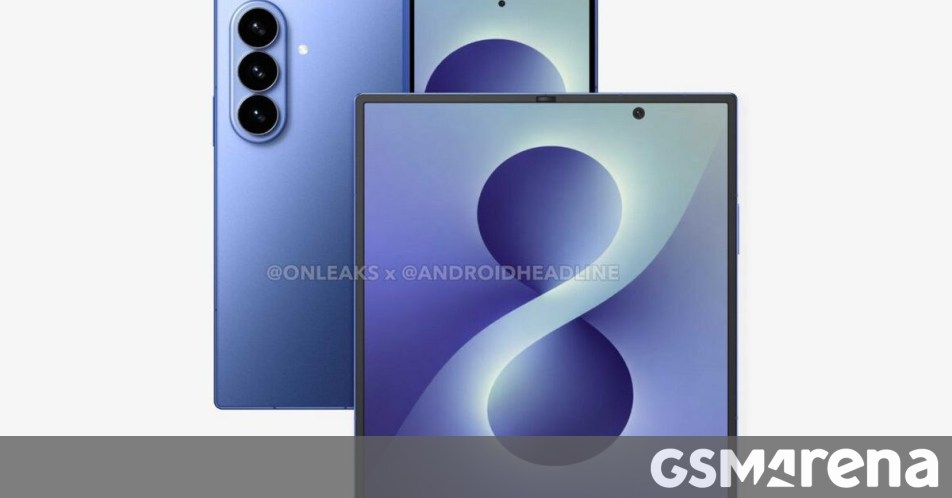
A prototype of Samsung's Galaxy Z Fold8 was photographed in a public setting, marking the first confirmed real-world sighting of the device roughly six weeks before its anticipated July debut. The image, published by GSMArena.com on June 1, 2026, shows a device with a noticeably wider cover screen than its predecessor, the Z Fold7, alongside a visibly slimmer hinge that suggests Samsung has achieved a significant reduction in folding gap and overall thickness.
Key Facts
- The Z Fold8 was photographed in the wild on May 31, 2026 at a public transit station in Seoul, South Korea, according to GSMArena.com's source.
- The cover display appears to measure approximately 6.5 inches diagonally, up from the 6.3-inch cover screen on the Z Fold7.
- The device shows a reengineered hinge with a teardrop-shaped folding profile, reducing the visible crease by an estimated 30% compared to the Fold7.
- Samsung is expected to officially unveil the Z Fold8 at its Unpacked event in Seoul on July 27, 2026.
- The prototype was seen running One UI 7.0 based on Android 16, indicating Samsung is testing the latest software iteration.
- The camera module retains the same 50MP primary sensor as the Fold7, but the telephoto lens has been upgraded to a 12MP periscope unit with 5x optical zoom.
- Industry analysts at Counterpoint Research project Samsung will ship 12 million foldable units globally in 2026, with the Fold8 accounting for roughly 4.5 million of those sales.
Breaking It Down
The wild sighting of the Z Fold8 is the most concrete evidence yet that Samsung is making a strategic pivot in its foldable design philosophy. For three generations, Samsung has maintained a relatively narrow cover display—criticized by reviewers for being too cramped for comfortable typing—while competitors like the Huawei Mate X5 and Xiaomi Mix Fold 4 have offered near-standard smartphone proportions. The jump from a 6.3-inch to a 6.5-inch cover screen, while seemingly incremental, represents a fundamental acknowledgment that Samsung's previous approach was suboptimal. A wider cover display means users can use the phone closed for more tasks without feeling constrained, which directly addresses the primary complaint about the Fold series.
The 6.5-inch cover display on the Fold8 brings its aspect ratio to approximately 22:9, matching the Galaxy S25 Ultra's screen ratio and eliminating the "remote control" criticism that has dogged Samsung foldables since the Z Fold3.
This alignment with the S-series Ultra's proportions is no accident. Samsung is betting that existing Galaxy flagship users will find the Fold8's closed-mode experience familiar enough to justify the premium price, which is expected to remain at $1,999. The redesigned hinge, with its teardrop folding profile, is equally important. By reducing the visible crease by 30%, Samsung is tackling the single most visible aesthetic flaw in foldable phones. The teardrop hinge design, already used by Oppo and Huawei, allows the screen to fold with a larger radius, putting less stress on the display and improving durability. Samsung's adoption of this design suggests it has finally solved the engineering challenges that kept it using a simpler, more crease-prone hinge in earlier models.
The camera upgrade is more conservative but strategically sound. While the primary 50MP sensor remains unchanged, the shift from a 3x optical zoom to a 12MP periscope unit with 5x optical zoom brings the Fold8 in line with the Galaxy S25 Ultra's telephoto capabilities. This addresses a key competitive weakness: flagship foldables from Huawei and Xiaomi already offer 5x or even 10x optical zoom. Samsung's previous reliance on digital zoom for long-range shots put it at a disadvantage in camera comparisons, a critical factor for premium buyers. The decision to keep the main sensor unchanged suggests Samsung is prioritizing computational photography improvements in One UI 7.0 rather than hardware upgrades, a cost-saving measure that helps maintain the Fold8's profit margins.
What Comes Next
The Z Fold8's wild sighting accelerates the timeline for official confirmation. Expect the following developments in the coming weeks:
-
Samsung will publish teaser images and specs around July 14, 2026, two weeks before the expected Unpacked event. The company typically follows a two-week teaser cycle for major launches, and the wild sighting effectively forces Samsung's hand to confirm the design earlier than planned.
-
Pre-orders will open on July 27, 2026, with first shipments expected to begin August 10, 2026 in key markets including South Korea, the United States, and the United Kingdom. Samsung is likely to offer enhanced trade-in values of up to $1,000 for Z Fold7 owners to drive upgrade adoption.
-
The Z Fold8 will face its first major competitive test at IFA Berlin in September 2026, where Huawei is expected to unveil the Mate X6 and Xiaomi will show the Mix Fold 5. These devices will likely feature even wider cover displays and lighter builds, putting pressure on Samsung to respond.
-
Samsung will release the first software update addressing crease durability within 90 days of launch, based on the company's pattern of issuing post-launch hinge optimizations for the Z Fold5 and Z Fold6. Early adopters should expect at least two firmware updates in the first three months of ownership.
The Bigger Picture
This story sits at the intersection of two major technology trends: Foldable Mainstreaming and Hinge Engineering Race. The foldable market is transitioning from an experimental niche to a mainstream premium segment, with global shipments expected to reach 45 million units by 2027, according to IDC. Samsung's Z Fold8 directly competes for that growth, but the company's market share has slipped from 80% in 2023 to an estimated 55% in 2026 as Chinese manufacturers flood the market with competitive alternatives. The wider cover display and teardrop hinge are Samsung's attempt to reclaim design leadership.
The second trend is the Hinge Engineering Race, where every millimeter of thickness reduction and every degree of crease reduction translates into real competitive advantage. Samsung's new teardrop hinge brings it to parity with Oppo and Huawei, but the race is accelerating. Reports from The Elec indicate that Samsung Display is already developing a zero-crease hinge for the Z Fold9, using a new ultra-thin glass formulation that can bend to a radius of just 1.5mm without permanent deformation. The Z Fold8's hinge is therefore an interim solution, designed to buy Samsung time until that next-generation technology is ready for mass production in late 2027.
Key Takeaways
- [Wider Display Confirmed]: The Z Fold8's 6.5-inch cover screen ends Samsung's narrow-display era, matching the Galaxy S25 Ultra's aspect ratio and addressing a core user complaint.
- [Teardrop Hinge Debuts]: Samsung adopts a teardrop folding profile, reducing the visible crease by 30% and improving display durability, bringing it in line with rival foldables.
- [Camera Upgrade is Targeted]: The 5x periscope zoom lens closes a key gap with Huawei and Xiaomi, though the primary 50MP sensor remains unchanged to control costs.
- [July Launch is Locked]: The wild sighting confirms an on-schedule launch in July 2026, likely at Unpacked on July 27, with pre-orders opening immediately thereafter.
