TL;DR
Sony is reportedly planning a radical redesign of its flagship Xperia 1 series for the 2028 model year, as shown in a new leaked render. This overhaul comes as Sony attempts to reverse its declining smartphone market share and reassert itself as a leader in premium mobile technology.
What Happened
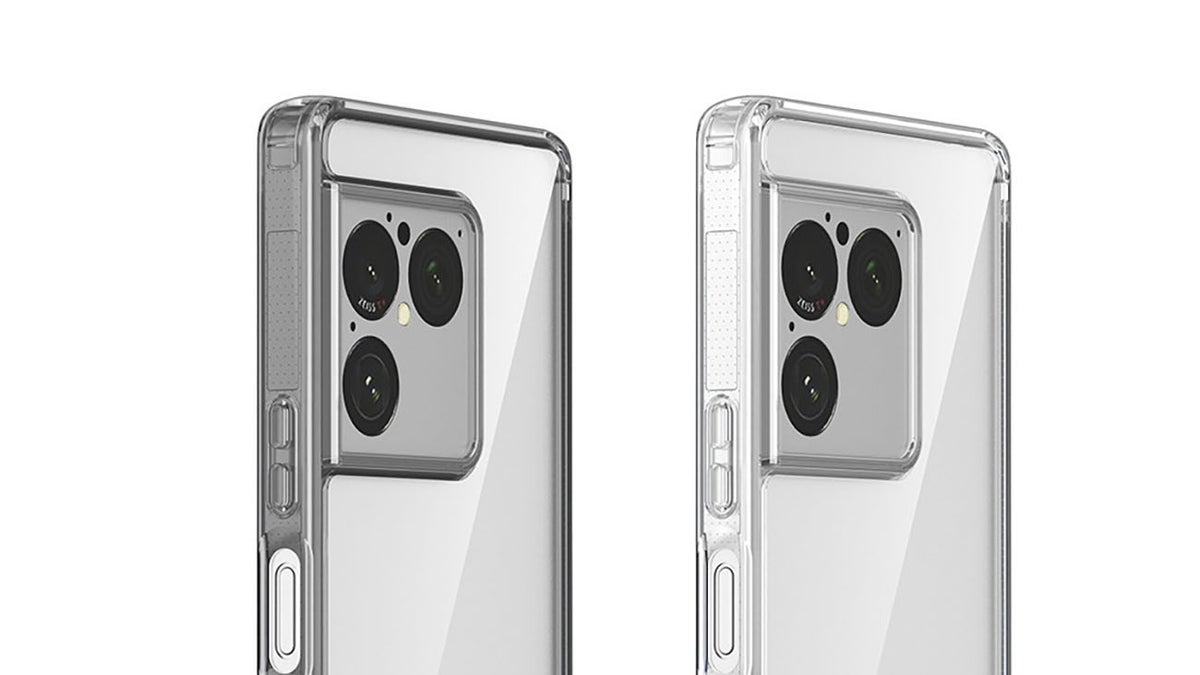
A new, high-fidelity render has leaked, purportedly showing Sony’s Xperia 1 VIII flagship smartphone slated for 2028. The image, published by PhoneArena, depicts a dramatic departure from Sony’s longstanding design language, signaling the company’s most aggressive attempt in years to revitalize its struggling mobile division.
Key Facts
- The leaked render was published by PhoneArena on Tuesday, April 21, 2026, ahead of any official announcement from Sony.
- The render suggests a major redesign for the Xperia 1 VIII, abandoning the signature boxy, industrial aesthetic that has defined the series.
- Key visual changes include a curved-edge display, a redesigned rear camera array that abandons the vertical module, and a potential new matt glass or composite finish.
- The leak follows a period of sustained decline for Sony's Mobile Communications division, which held less than 0.5% global market share in 2025.
- Sony’s next expected launch is the Xperia 1 VII, projected for late 2026 or early 2027, making the VIII a model for the 2028 product cycle.
- The company has historically used its Alpha camera technology and PlayStation integration as key selling points, with mixed commercial success.
- Industry analysts note that Sony’s mobile division has been under intense pressure to either show a path to profitability or face further restructuring.
Breaking It Down
The leaked render of the Xperia 1 VIII is less a sneak peek and more a statement of desperation from Sony. For nearly a decade, Sony’s Xperia flagships have catered to a niche audience of prosumers and photography enthusiasts, prioritizing technical specifications—like 4K displays and advanced manual camera controls—over mainstream design appeal. This strategy has resulted in a stark identity: phones celebrated for their capability but criticized for their dated, utilitarian look and premium price. The radical shift suggested by this leak indicates Sony’s leadership has finally concluded that iterating on a niche formula is no longer sustainable. The move from a flat, angular frame to a curved display represents a direct, if belated, concession to the ergonomic and aesthetic trends that have dominated the premium Android market since Samsung’s Galaxy S6 edge in 2015.
Sony Mobile’s global market share has collapsed from a peak of over 3% in 2012 to an estimated 0.4% in 2025, placing it in the "Others" category alongside brands facing existential threats.
This figure underscores the immense pressure on the Xperia line. Holding less than half a percent of the market is not merely underperformance; it is a position from which most companies exit the hardware business entirely. Sony has persisted, largely because its mobile division is strategically linked to its highly profitable image sensor and entertainment businesses. However, the financial drain is real. Each new Xperia cycle represents a massive R&D and marketing investment for returns that are, by all accounts, minimal. The radical redesign of the VIII is therefore a high-stakes gamble. It is an admission that the previous strategy failed to achieve scale, coupled with a bet that a new form factor can attract the broader audience needed to make the business viable.
The redesign also raises critical questions about brand identity. Sony’s Alpha camera-inspired interface and PlayStation Link integration are unique value propositions, but they have been housed in a design that felt separate from the rest of the Sony ecosystem, which includes sleek TVs, headphones, and gaming consoles. The new render suggests an effort to visually align the smartphone with products like the PlayStation Portal or the design language of modern Bravia TVs. The risk, however, is alienating the core Xperia fanbase that valued its distinct, tool-like aesthetic. If the new design is perceived as a generic copy of Chinese or Korean rivals without a compelling functional upgrade, it could lose its existing customers without winning new ones.
What Comes Next
The immediate focus will be on the official unveiling of the Xperia 1 VII, which will serve as the final iteration of the old design philosophy. Its market reception will heavily influence the final development and positioning of the VIII. Following this leak, Sony will be forced into a reactive posture, either moving to confirm the design direction to build hype or aggressively denying and obscuring it to maintain focus on the imminent VII.
The development cycle for the Xperia 1 VIII will be scrutinized through three key upcoming milestones:
- The Q1 2027 Financial Report: Sony’s annual earnings will provide the next clear health check for the Mobile Communications segment. Any decision to greenlight or alter the radical VIII redesign will be based on the VII’s early sales data and the division’s updated profitability forecast.
- Industry Events in Late 2027: The design will likely be locked in by Mobile World Congress 2027 in February. We should expect more concrete leaks from case manufacturers and component suppliers in the third and fourth quarters of 2027, confirming or refuting this render’s accuracy.
- The Integration of Next-Gen Sony Tech: Watch for announcements regarding Sony’s 2027 image sensor roadmap and any PlayStation 6-related developments. The VIII’s ultimate selling point will be how it leverages new Sony semiconductor technology (like a stacked 1-inch-type sensor) or deeper gaming integrations that justify its premium price beyond the new chassis.
The Bigger Picture
This leak reflects the brutal consolidation of the smartphone market. We are far past the era of endless experimentation; the market is now dominated by Apple, Samsung, and a handful of aggressive Chinese OEMs. For legacy brands like Sony, LG, and HTC, survival requires either carving out an unassailable niche or executing flawlessly on mainstream trends. Sony has tried the former with limited success and is now pivoting to the latter. Its access to proprietary camera and entertainment technology gives it a theoretical advantage, but as this leak shows, even that may not be enough without the right package.
Furthermore, the move signals the maturation of flagship smartphone design. The industry has largely converged on all-screen fronts with minimalist camera arrays. True innovation has shifted to materials, foldable form factors, and AI-powered software. Sony’s redesign is an attempt to finally master the "standard" flagship template—curved screen, cohesive camera bump, premium finish—so it can compete on a level playing field. This allows its unique software and hardware integrations, like professional video controls or high-fidelity audio, to become the primary differentiators rather than being overshadowed by an unconventional design.
Key Takeaways
- Strategic Pivot: Sony is preparing to abandon the niche design that defined its Xperia flagships, betting that a mainstream aesthetic is necessary for survival.
- Market Pressure: The redesign is a direct response to Sony Mobile’s precarious sub-0.5% global market share and the unsustainable financials of its current strategy.
- Brand Identity Crisis: This move risks alienating Sony’s dedicated prosumer base if the new design is seen as sacrificing functional utility for mere style.
- High-Stakes Timeline: The success of the upcoming Xperia 1 VII and Sony’s 2027 financial decisions will determine if this radical VIII design reaches the market as shown.