TL;DR
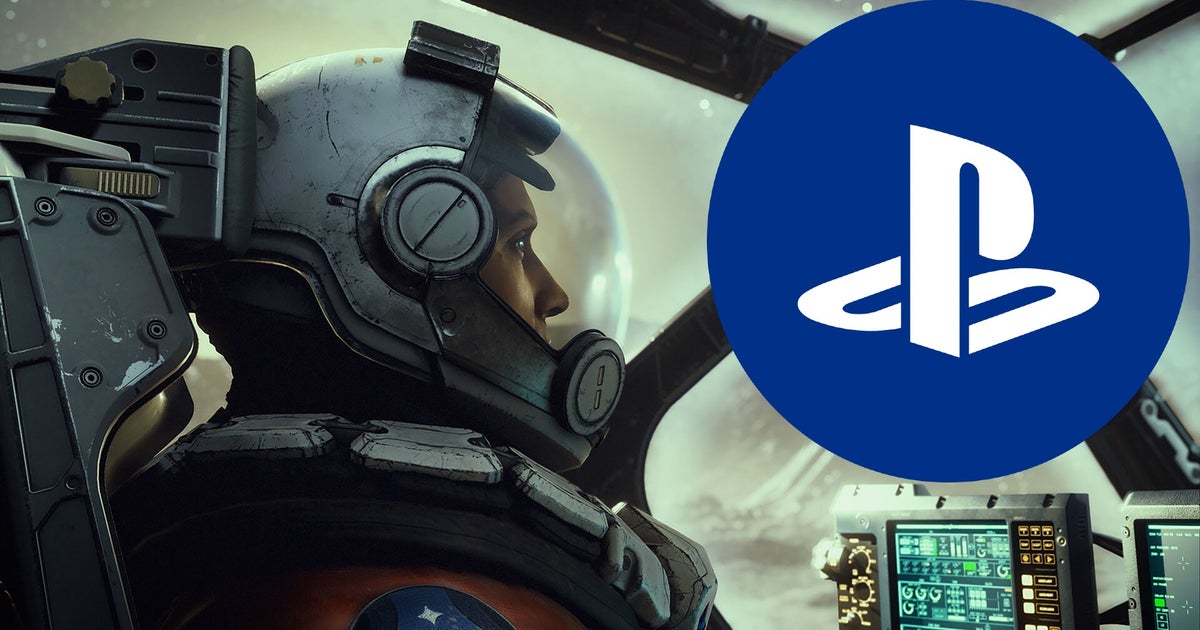
Starfield's PlayStation 5 launch has been marred by widespread, severe technical issues, leading to a flood of player refund requests and accusations of an unfinished port. This debacle directly challenges Bethesda's post-acquisition strategy under Microsoft and risks permanent damage to one of gaming's most valuable franchises if not resolved swiftly.
What Happened
Within 72 hours of its long-awaited debut on Sony's console, Starfield's PS5 version has been declared "unplayable" by a critical mass of players, triggering a wave of refund demands and a public relations crisis for developer Bethesda Game Studios and publisher Microsoft. The launch, intended to be a triumphant expansion of the 2023 space epic's audience, has instead become a case study in a botched platform port, with social media and gaming forums flooded with videos of game-breaking bugs.
Key Facts
- Starfield launched on PlayStation 5 on Thursday, April 9, 2026, ending its period of console exclusivity to Xbox and PC.
- Player reports cite persistent, progression-halting issues including full system crashes, corrupted save files, and game-breaking graphical glitches during key story moments.
- The official Bethesda Support account on X has been inundated, with its initial April 11 acknowledgment tweet receiving over 15,000 replies, primarily from frustrated PS5 owners.
- Industry tracker Circana (formerly NPD) estimates first-week digital PS5 sales exceeded 450,000 copies before refund requests began spiking on April 11-12.
- The backlash is focused on Sony's stringent digital refund policy, which typically denies requests after download, forcing players to publicly petition for exceptions.
- This follows a troubled 18-month post-launch period for the original Xbox/PC version, which required multiple major patches to address performance and stability.
- The port was handled primarily by Bethesda's Austin support studio, with oversight from the main Maryland team.
Breaking It Down
The scale of the technical failure suggests a fundamental disconnect between the project's timeline and its readiness for release. Porting a game of Starfield's immense scale—with its complex physics systems, vast asset library, and procedurally generated planets—to a new architecture was always a significant technical challenge. However, the severity of the reported bugs, particularly those involving save file corruption, points to inadequate quality assurance testing specific to the PS5's hardware and software environment. This isn't merely about lower frame rates; it's about core functionality failing.
Sony's PlayStation Store refund policy has become the central battleground for consumer anger, acting as an amplifier for the technical discontent.
Where Xbox and PC storefronts like Steam and the Microsoft Store offer more lenient refund windows (often within two hours of playtime), Sony's policy is notoriously rigid, granting refunds only before download begins. This has trapped players who downloaded Starfield immediately, encountered game-breaking issues hours later, and found themselves locked out of a standard refund process. The resulting flood of support tickets and public complaints has transformed a product issue into a high-profile customer service and policy conflict, putting direct pressure on both Sony and Microsoft.
The strategic implications for Microsoft are acute. The decision to bring Starfield to PS5 was a major reversal of its previous exclusivity stance, widely interpreted as a move to monetize its $7.5 billion acquisition of ZeniMax Media (Bethesda's parent company) across the widest possible market. This launch disaster undermines that strategy's foundation. It damages the Starfield brand's long-term value on a platform representing nearly 60 million consoles, and it reinforces a lingering perception among some players that Bethesda's games launch in an unacceptable state—a narrative the company has struggled to shake since the 2018 launch of Fallout 76.
Furthermore, the incident exposes the ongoing strain of supporting multiple platforms under the Xbox Game Studios banner. With Bethesda Game Studios also deep in development on The Elder Scrolls VI, resources may have been stretched thin, potentially leading to the Austin support studio being overburdened or under-resourced for a port of this magnitude. The reputational cost of this misstep could exceed the immediate lost sales from refunds.
What Comes Next
The immediate focus for all parties is damage control. Bethesda and Microsoft must stabilize the product, while Sony faces pressure to make a goodwill gesture to its paying customers.
- An Emergency Patch Timeline: Bethesda will be forced to commit to a public, rapid-fire patch schedule. Expect a commitment to a "hotfix" within the next 7 days targeting the most egregious crashes and save bugs, followed by a larger stability patch by the end of April. Silence beyond the weekend of April 12-13 will intensify the crisis.
- Policy Exception Negotiations: Behind the scenes, Microsoft and Sony are likely in discussions about facilitating exceptions to the refund policy for this specific title. A coordinated statement, potentially offering refunds or extended store credit to players who log a certain amount of crash reports, could be announced as early as the week of April 13.
- Leadership Communication: Either Bethesda Game Studios director Todd Howard or Xbox head Phil Spencer will need to make a direct, apologetic statement to the community, acknowledging the failed launch and outlining the concrete steps being taken. This will likely occur via a dedicated video or lengthy social media post before April 15.
- Long-Term Support Reassessment: Internally, Microsoft will have to reevaluate its porting strategy for acquired studios. The assumption that support studios can handle major AAA ports without impacting the core brand may be revisited, potentially leading to restructuring or increased investment in dedicated porting divisions.
The Bigger Picture
The Starfield PS5 crisis intersects with two critical, ongoing trends in the technology and gaming sector. First, it highlights the escalating risks of Cross-Platform Porting at Scale. As consolidation leads to mega-publishers like Microsoft owning franchises that historically lived on one platform, the technical and reputational difficulty of executing multi-platform launches increases exponentially. A failure on one platform can now tarnish the global reputation of a franchise overnight.
Second, it intensifies the debate over Digital Consumer Rights and Platform Power. Sony's inflexible refund policy is a point of contention globally, with regulators in the EU and Australia scrutinizing such practices. This incident provides a high-profile test case for whether player backlash can force platform-holder intervention, setting a potential precedent for how future broken launches are handled on closed ecosystems. The outcome could influence regulatory approaches to digital goods.
Key Takeaways
- Broken Launch Strategy: Microsoft's plan to capitalize on Starfield's multi-platform potential has backfired spectacularly due to what appears to be an under-baked and poorly tested port, damaging the franchise's credibility on PS5.
- Policy as a Crisis Amplifier: Sony's strict digital refund policy has magnified the technical failure, transforming player frustration into a public relations battle over consumer rights on the PlayStation Store.
- Reputational Debt Paid: Bethesda's historical reputation for buggy launches, which had seen some rehabilitation with post-launch support for the original Starfield, has been fully reinstated, creating higher barriers for trust in future titles like The Elder Scrolls VI.
- Resource Strain Exposed: The incident suggests potential resource overextension within Xbox Game Studios, raising questions about the sustainability of supporting massive, live-service-style AAA games across multiple platforms while developing new titles.