TL;DR
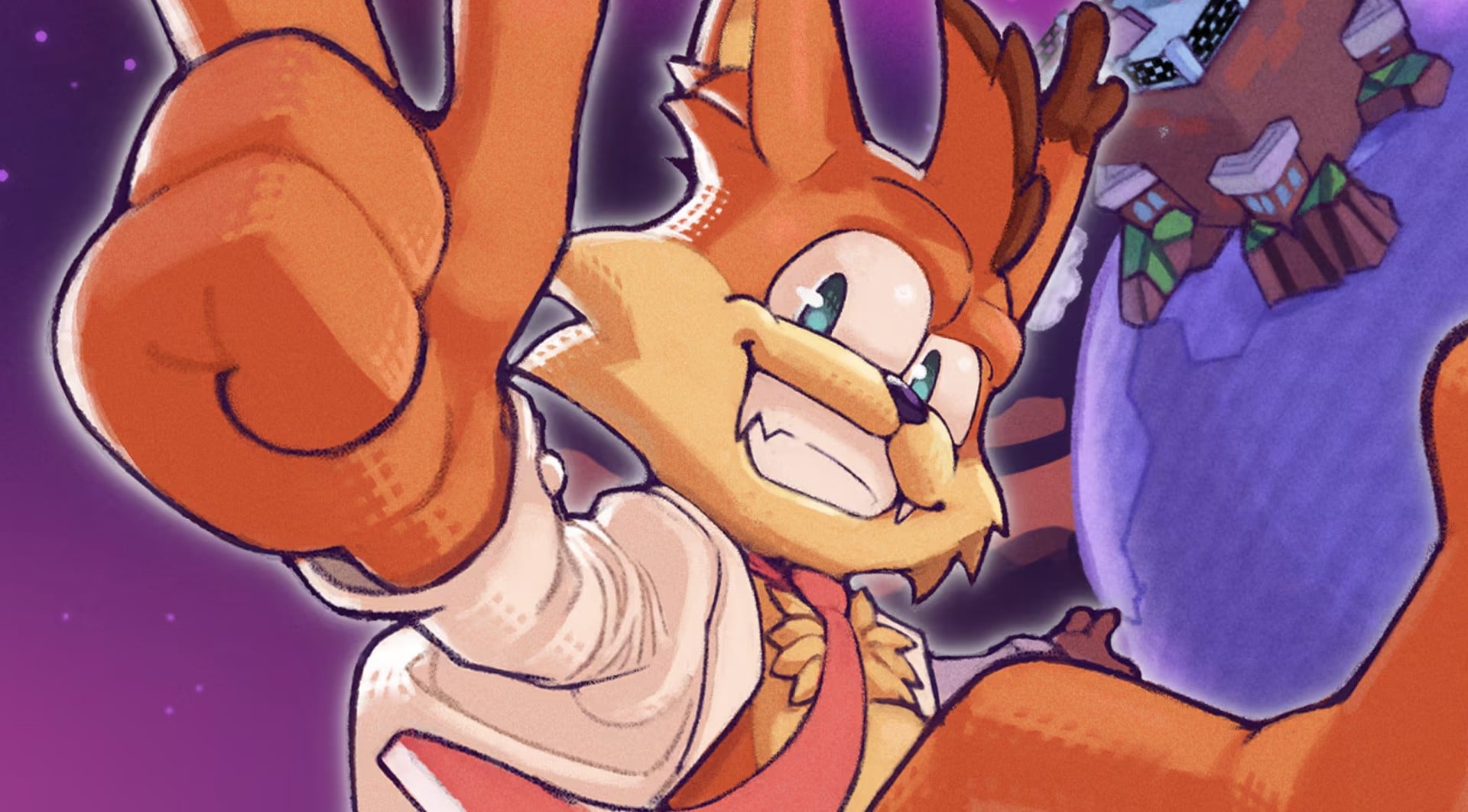
Fabraz, the indie studio behind the critically acclaimed Slime-san, has officially announced development of a new Bubsy game after years of relentless online pressure from a niche but vocal fanbase. This revival of a franchise synonymous with 1990s commercial failure and critical mockery highlights the complex power dynamics between modern developers and their audiences in the age of social media-driven fandom.
What Happened
On Sunday, April 5, 2026, indie developer Fabraz broke a years-long silence with a surprising announcement: they are officially developing a new entry in the Bubsy series, one of gaming's most notoriously maligned mascot franchises. The studio's creative director, Samurai Punk, revealed the project came about not from internal passion, but after the team was effectively "bullied" into it by a persistent segment of fans who wouldn't stop tagging the studio in social media posts about the hapless bobcat.
Key Facts
- The announcement was made in an interview with Nintendo Life on Sunday, April 5, 2026, detailing the studio's unexpected journey with the IP.
- The developer, Fabraz, is best known for the well-received indie platformer Slime-san (2017) and its subsequent titles, not for reviving retro franchises.
- Fabraz cited being "blown away by the reception" to their earlier, smaller-scale Bubsy tease, which fueled the persistent fan campaign.
- The fan campaign involved years of sustained online pressure, primarily through social media tags and mentions directed at the studio.
- The Bubsy franchise, created by Accolade, is infamous for a string of poorly received 16-bit and 3D platformers in the 1990s, becoming a byword for clunky gameplay and irritating dialogue.
- The intellectual property (IP) had been largely dormant since the failed 2019 reboot, Bubsy: Paws on Fire!, developed by Choice Provisions.
Breaking It Down
Fabraz’s admission is a stark case study in how modern fandom, amplified by the direct conduit of social media, can directly influence creative and business decisions. This isn't a story of a developer rediscovering a beloved classic; it's a narrative of audience insistence overriding initial studio ambivalence. The dynamic shifts from traditional market research to a form of crowdsourced coercion, where volume and persistence become key metrics.
"We were blown away by the reception."
This quote from Fabraz is the pivotal hinge of the entire story. It reveals the critical moment where online noise transformed from background irritation into a tangible signal. The "reception" likely refers to intense, positive engagement—likes, shares, fervent comments—on Fabraz's earlier, perhaps joking or experimental, posts about Bubsy. This data point provided a quantifiable justification to explore what began as an annoyance. For a small studio like Fabraz, direct audience feedback is both invaluable and inescapable; a concentrated wave of interest, even for a joke IP, can legitimately reshape a production slate.
The choice of Fabraz itself is analytically significant. They are not a large, risk-averse publisher, nor are they a studio known for ironic, so-bad-it's-good commentary. They are respected craftsmen of tight, inventive platformers. Their involvement suggests an attempt at authentic rehabilitation, not mere parody. The risk is substantial: aligning their hard-earned indie credibility with a franchise whose primary cultural value is as a punchline. Their strategy will likely involve transplanting the polished, satisfying mechanics of Slime-san into the Bubsy universe, attempting to fix the foundational gameplay failures that doomed the original games.
This incident also reflects the matured state of "ironic fandom." Bubsy’s revival isn't driven by genuine nostalgia for quality, but by a postmodern appreciation of its legendary badness. The fan campaign embodies a desire to participate in a shared in-joke, to see if a competent developer can alchemize lead into gold. The danger for Fabraz is navigating this tightrope: satisfying the ironic fans who love the "cringe," while delivering a product solid enough to attract players on its own mechanical merits and not just its legacy as a meme.
What Comes Next
The announcement opens a complex new chapter for both Fabraz and the Bubsy IP. All eyes will be on how the studio translates pressured acquiescence into a coherent, marketable product.
- The First Gameplay Reveal: The single most critical moment will be the first public showcase of gameplay. Will Fabraz present a sincere, polished platformer that minimizes Bubsy’s infamous traits, or will it lean into meta-humor and the character's absurd history? The tone of this reveal will define the project's trajectory and either validate or undermine the studio's creative gamble.
- Platform Strategy and Publisher Partnership: Fabraz, as an indie studio, will likely need a publishing partner for a project of this scale and notoriety. The choice of publisher—whether a traditional house, a digital-first label, or even a platform holder like Nintendo seeking a quirky exclusive—will heavily influence budget, marketing, and final scope. The confirmation of target platforms (Switch successor, PlayStation, Xbox, PC) will also signal the intended audience size.
- Managing the "Irony Echo Chamber": Fabraz must actively manage community expectations. They need to convert the online campaign's energy into pre-orders and positive word-of-mouth without letting the project be only a joke. This involves careful communication, perhaps engaging with the most vocal fans from the campaign as informal beta testers or ambassadors, while also reaching out to broader platformer enthusiasts unfamiliar with the meme.
- The 2027 Release Window: While no specific date was given, a project entering announcement phase in early 2026 suggests a target release in 2027. The timing will be crucial, as it will need to avoid major platformer releases from competitors and find a niche in the crowded seasonal calendar.
The Bigger Picture
Fabraz's Bubsy saga is a microcosm of two powerful, intersecting trends in technology and media. First, it exemplifies Social Media as a Development Driver. Platforms like Twitter (X), TikTok, and Discord have collapsed the distance between creators and consumers, turning fan campaigns into viable focus groups. This democratizes influence but also creates a potential tyranny of the vocal minority, where the loudest fans, not necessarily the most representative, can dictate creative directions.
Second, it sits at the heart of the Nostalgia Economy and IP Reclamation. The relentless mining of past IP is standard, but it's increasingly expanding beyond surefire hits (Crash Bandicoot, Spyro) to include "lost cause" franchises. This is driven by content-hungry streaming platforms, a cultural appetite for retro aesthetics, and the economic logic that any recognized name has more marketing value than a new one. The attempt to rehabilitate a Bubsy represents the absolute frontier of this trend, testing whether any historical IP, regardless of its original merit, can be retrofitted for modern success given the right developer and narrative.
Key Takeaways
- Audience Pressure as a Catalyst: A sustained, targeted social media campaign by a niche fanbase can directly lead to the revival of a dormant and commercially toxic intellectual property, bypassing traditional market analysis.
- The Indie Studio Credibility Gambit: A respected indie developer is staking its reputation on rehabilitating a famously bad franchise, attempting a high-wire act between ironic homage and genuine quality.
- The Maturation of Ironic Fandom: The driving force behind this revival is not classic nostalgia but a postmodern, meme-driven appreciation for "so-bad-it's-good" culture, creating a unique and potentially fickle audience.
- IP Exhaustion Reaches New Depths: The trend of reviving old franchises has progressed to the point of excavating IPs once considered career-ending failures, signaling a scarcity of new ideas or a belief that all past recognition holds latent value.


