TL;DR
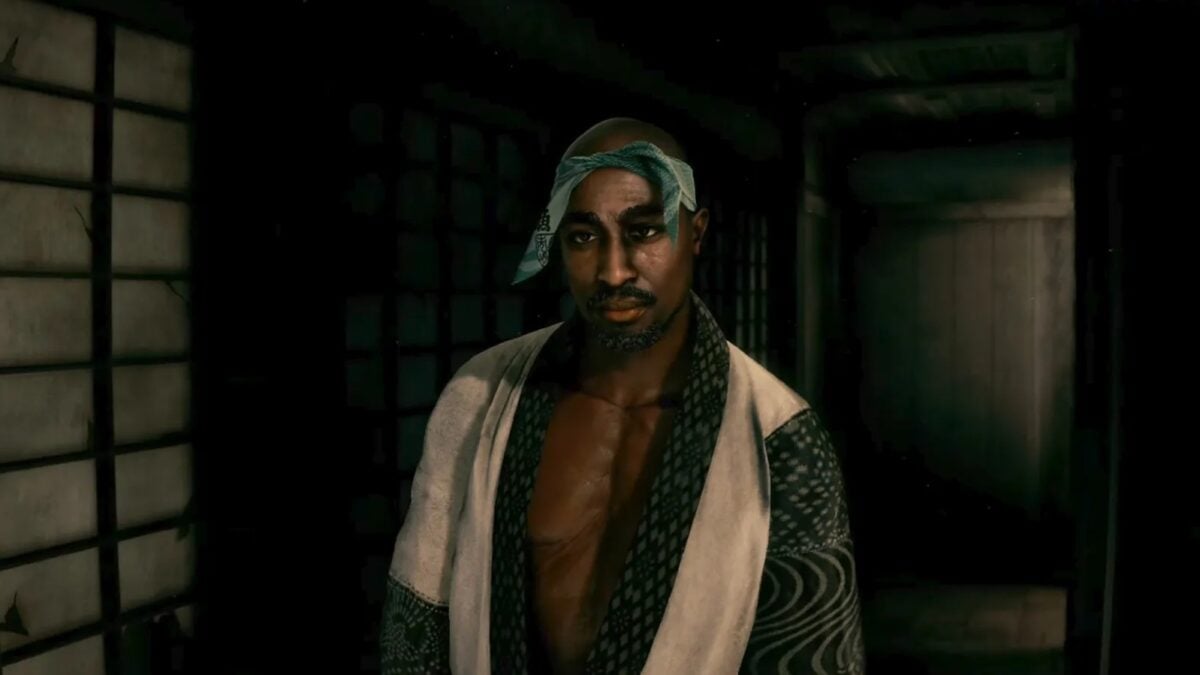
The developers of Stranger Than Heaven have confirmed that adding the late rapper Tupac Shakur as a playable character was a deliberate design choice they believe "adds value" to the game. This decision, announced by series producer Masayoshi Yokoyama, signals a growing trend of video games incorporating deceased cultural icons as interactive characters, raising both creative and ethical questions for the industry in 2026.
What Happened
Masayoshi Yokoyama, the veteran producer behind the Yakuza and Like a Dragon series, told Kotaku that including Tupac Shakur in Stranger Than Heaven was "a good idea" that the team felt would "add value" to the game. The statement, published Thursday, June 11, 2026, confirms that the deceased rapper's digital likeness and persona have been integrated into the upcoming title, marking one of the most high-profile uses of a posthumous celebrity in a video game to date.
Key Facts
- Masayoshi Yokoyama, producer at Ryu Ga Gotoku Studio, explicitly stated the inclusion of Tupac Shakur in Stranger Than Heaven was a deliberate creative choice, saying "this was something we thought would add value to our game."
- The game, Stranger Than Heaven, is a new IP from the studio best known for the Yakuza and Like a Dragon series, which collectively have sold over 21 million copies worldwide as of 2025.
- Tupac Shakur, who was murdered in September 1996 at age 25, has been digitally recreated for the game, joining a growing roster of deceased celebrities appearing in interactive media.
- The announcement comes amid a broader industry trend where estates of deceased musicians and actors license their likenesses for video games, with notable examples including Kurt Cobain in Guitar Hero 5 (2009) and Prince in various titles posthumously.
- Yokoyama did not disclose the financial terms of the licensing agreement with the Tupac Shakur Estate, nor the specific role the rapper plays in the game's narrative or gameplay.
- The game is expected to launch in late 2026 for PlayStation 5, Xbox Series X/S, and PC, according to prior announcements from Sega, the studio's parent company.
- This marks the first time a major Japanese game studio has incorporated a deceased American hip-hop icon as a core character, breaking from the studio's typical focus on original Japanese characters and settings.
Breaking It Down
The decision to include Tupac in Stranger Than Heaven is not merely a gimmick—it represents a calculated bet by Ryu Ga Gotoku Studio on the emotional and commercial power of nostalgia. Yokoyama's phrasing, that the addition "would add value," suggests a cost-benefit analysis that weighed licensing fees and potential backlash against the marketing draw of a globally recognized figure. Tupac remains one of the best-selling music artists of all time, with over 75 million records sold worldwide, and his cultural relevance has only grown since his death, with a 2023 biopic and ongoing posthumous album releases keeping his name in circulation.
The global market for licensed celebrity likenesses in video games is projected to exceed $2.5 billion annually by 2027, according to industry analysts, with deceased icons accounting for an increasingly large share due to their permanent brand stability.
This statistic underscores why developers are willing to navigate the ethical minefield. A living celebrity can generate scandals, change political views, or simply age out of relevance—a dead icon is frozen in time, their image a fixed asset. For Stranger Than Heaven, a game whose title suggests a surreal or otherworldly premise, Tupac's inclusion may be framed as a narrative device—perhaps a ghost, a digital recreation, or a parallel-universe version. But the core driver is commercial: his name alone guarantees headlines, social media buzz, and a built-in audience of millions who will buy the game just to see how he's portrayed.
The ethical dimension cannot be ignored. Critics argue that using deceased figures in interactive media risks trivializing their legacies, especially when the deceased cannot consent. The Tupac Shakur Estate, controlled by his mother Afeni Shakur until her death in 2016 and now managed by a trust, has historically been protective of his image, approving only select hologram performances and posthumous releases. Their decision to license his likeness for a video game suggests a strategic pivot toward digital immortality, a path also taken by estates of Prince, Michael Jackson, and Kurt Cobain. For Yokoyama and his team, the challenge will be balancing reverence with entertainment—turning a cultural icon into a playable character without reducing him to a cartoon.
What Comes Next
The coming months will determine whether Stranger Than Heaven's gamble pays off or backfires. Several concrete developments are worth watching:
-
Full Gameplay Reveal (Expected Q3 2026): Ryu Ga Gotoku Studio will likely release a gameplay trailer showing Tupac in action. How he is integrated—as a main character, a side quest NPC, or a combat partner—will shape public reaction. A respectful, story-driven role will differ sharply from a comedic or violent portrayal.
-
Estate Statement (Imminent): The Tupac Shakur Estate has not yet issued a formal statement beyond the licensing agreement. Their public justification—or lack thereof—will influence fan sentiment, especially among older hip-hop audiences who view Tupac as a sacred figure.
-
Pre-Order and Sales Data (Late 2026): The game's pre-order numbers, particularly in North America where Tupac's popularity is highest, will serve as the first hard metric of whether the inclusion drives sales. Analysts will compare these figures to previous Ryu Ga Gotoku titles that lacked Western celebrity cameos.
-
Industry Copycats (2027 and Beyond): If Stranger Than Heaven succeeds commercially, expect other major studios—particularly Ubisoft, Electronic Arts, and Square Enix—to pursue similar licensing deals with deceased musicians, actors, and even historical figures. A trend may already be forming.
The Bigger Picture
This story sits at the intersection of two powerful trends: Digital Resurrection and Cross-Industry IP Licensing. The technology to create photorealistic digital versions of deceased individuals has advanced rapidly, driven by AI and deep learning. Companies like Synthesis AI and Metaphysic now offer tools that can generate lifelike avatars from archival footage, reducing the cost and complexity of such projects. Meanwhile, the video game industry's hunger for established intellectual property has pushed developers beyond original characters and into licensing deals with music estates, film studios, and sports leagues. Stranger Than Heaven is a test case for whether these two trends can merge profitably—and ethically.
The broader implications extend beyond gaming. If a deceased rapper can be a playable character, can a deceased politician be a virtual campaigner? Can a deceased actor star in a new film via AI? The legal and moral frameworks are lagging behind the technology. Yokoyama's "good idea" may soon be replicated across entertainment, making Tupac's inclusion not an anomaly but a template.
Key Takeaways
- [Commercial Logic]: The inclusion of Tupac Shakur is a data-driven decision, tapping into a $2.5 billion market for deceased celebrity likenesses, not a mere stunt.
- [Ethical Precedent]: This marks the first major use of a deceased hip-hop icon in a Japanese video game, setting a precedent for how non-Western studios handle sensitive posthumous licensing.
- [Estate Strategy]: The Tupac Shakur Estate's approval signals a shift toward monetizing digital immortality, potentially opening the door for more interactive uses of the rapper's image.
- [Industry Ripple Effect]: Success or failure of Stranger Than Heaven will influence whether other major publishers pursue similar deals with deceased celebrities over the next 2–3 years.