TL;DR
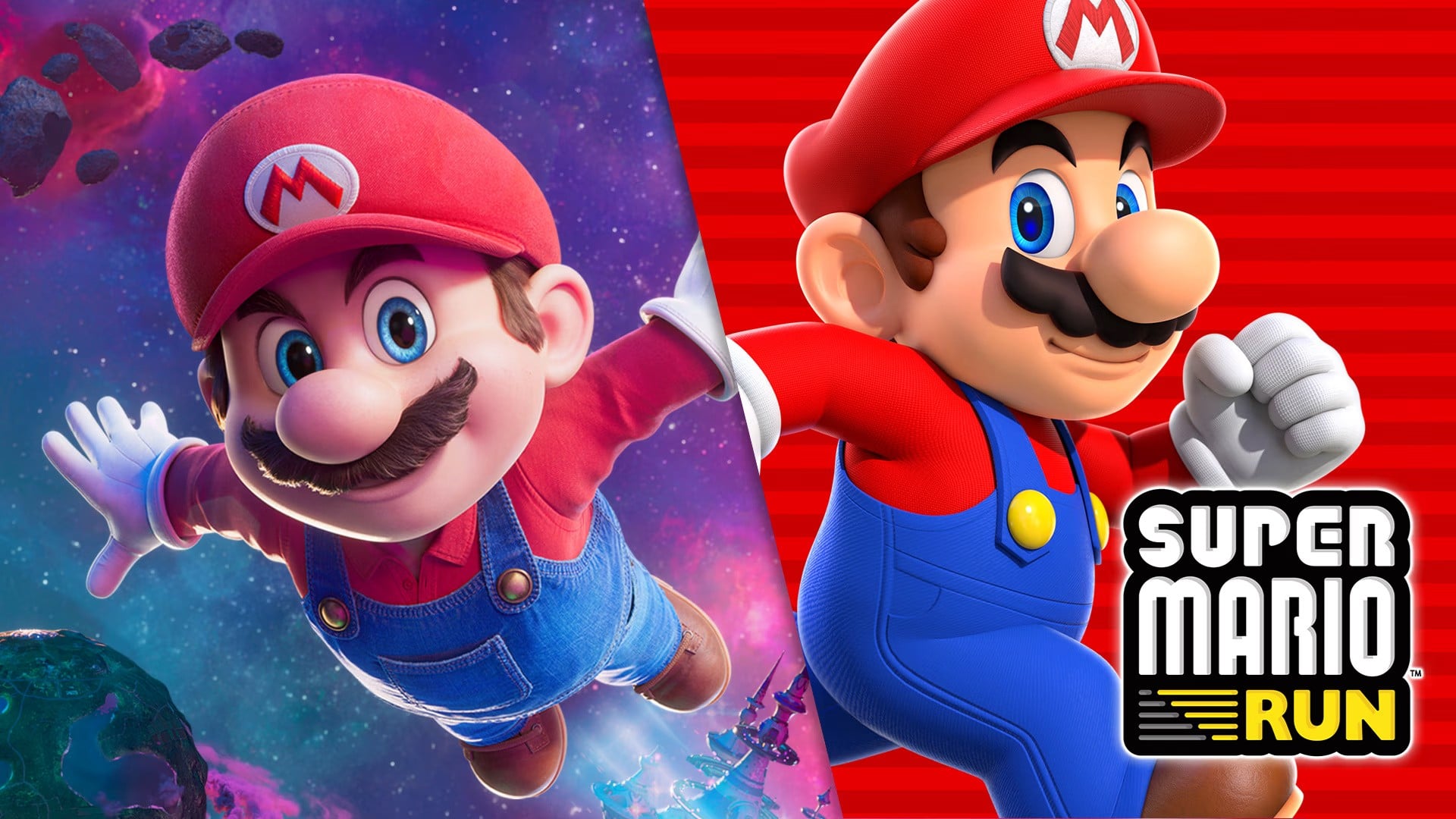
Nintendo has launched a new in-game event for Super Mario Run, its flagship mobile title, to celebrate the theatrical release of The Super Mario Galaxy Movie. This marks a significant, coordinated cross-media promotion, leveraging a 2026 blockbuster film to inject fresh life into a mobile game first released nearly a decade earlier.
What Happened
Nintendo has deployed a classic tactic from its playbook, using a major cinematic event to reinvigorate one of its evergreen properties. A new limited-time event in Super Mario Run, tied directly to the premiere of The Super Mario Galaxy Movie, went live, offering players the chance to unlock exclusive themed statues and rewards. This strategic move connects the company’s lucrative mobile gaming division with its rapidly expanding entertainment empire, creating a synergistic feedback loop between screens of all sizes.
Key Facts
- The event is live in the mobile game Super Mario Run, which was first launched on iOS in December 2016 and on Android in March 2017.
- The event is explicitly designed to celebrate the release of The Super Mario Galaxy Movie, which premiered in theaters globally in early April 2026.
- The core gameplay incentive for players is to unlock new themed statues, which are decorative items for the game’s Kingdom Builder mode.
- This is a limited-time event, following a pattern Nintendo has used in Super Mario Run for previous celebrations like anniversaries and other game launches.
- The event leverages the Nintendo Account system, which links player progress and purchases across mobile and console platforms.
- Super Mario Run utilizes a free-to-start model with a single one-time purchase to unlock the full game, a distinct strategy in the free-to-play-dominated mobile market.
- The original Super Mario Galaxy game was released for the Wii in 2007, meaning this promotion ties a nearly 20-year-old classic to a modern film and a mobile game.
Breaking It Down
Nintendo’s decision to tether a mobile game event to a major film release is a masterclass in integrated brand management. For years, the company was notoriously protective of its IP, but the success of The Super Mario Bros. Movie in 2023 demonstrated the immense value of strategic external partnerships. This 2026 event for Super Mario Run is a direct evolution of that strategy, showing a more confident and proactive Nintendo that views its mobile games not as isolated experiments, but as persistent platforms for engaging a massive, casual audience. The event acts as a perpetual marketing engine for the film, while the film’s hype drives engagement and potential monetization for the older mobile title.
The event connects a mobile game from 2016, a console game from 2007, and a blockbuster film from 2026 in a single promotional loop.
This temporal bridging is the most analytically significant aspect of the news. Nintendo is not just promoting a new product; it is actively weaving together disparate threads of its history into a cohesive, modern narrative. By using Super Mario Galaxy’s cinematic debut as the anchor, Nintendo can reintroduce the aesthetic and characters of the Galaxy series to a generation that may be unfamiliar with the Wii original. The themed statues in Super Mario Run serve as digital collectibles that commemorate this moment, effectively making the mobile game a living museum of Mario’s cross-media journey. This strategy reinforces the timelessness of Nintendo’s core IP while ensuring every part of its ecosystem—console, mobile, and film—feeds value into the others.
Furthermore, the choice of Super Mario Run as the promotional vehicle is deliberate. Unlike Fire Emblem Heroes or Animal Crossing: Pocket Camp, which rely on gacha mechanics or constant seasonal updates, Super Mario Run is a simpler, one-time-purchase platformer. Its broader, more family-friendly appeal perfectly aligns with the target demographic for an animated feature film. An event here is more likely to capture the attention of parents who downloaded the game for their children years ago, or casual fans who engaged with the Mario IP primarily through the 2023 film. It is a low-friction re-entry point into the Nintendo ecosystem.
What Comes Next
The launch of this event is just the first move in a coordinated campaign that will unfold over the coming months. The success of this cross-promotion will be measured not just by event participation, but by its impact on broader corporate metrics.
- Monitor Super Mario Run’s performance metrics through April and May 2026. App store analytics will reveal if the film tie-in caused a significant spike in daily active users, new downloads, or conversions to the full game purchase. This data will directly inform Nintendo’s future mobile-film synergy plans.
- Watch for similar integrations in other Nintendo mobile titles. If this event is deemed successful, expect to see themed events in Mario Kart Tour or Animal Crossing: Pocket Camp for subsequent film releases or major franchise anniversaries. The model is now proven.
- Analyze the post-theatrical release strategy for the film. When The Super Mario Galaxy Movie hits streaming platforms or home video, Nintendo may launch a second wave of in-game events or offer the Super Mario Run full-game unlock as a promotional bundle, further cementing the link.
- Observe Nintendo’s next mobile development announcement. The company’s confidence in using its mobile portfolio as marketing tools may signal a renewed investment in the sector, potentially leading to new mobile game announcements tied to other legacy IP.
The Bigger Picture
This event sits at the intersection of two powerful and enduring trends in the technology and entertainment sectors. First, it exemplifies the Convergence of Gaming and Film/TV. The wall between these mediums has fully collapsed, with IP now flowing fluidly in both directions. Nintendo is no longer just a game company licensing its characters; it is a multimedia producer using each arm of its business to bolster the others. A mobile game event is now a standard part of a film’s marketing rollout, similar to a toy line or novelization.
Second, it highlights the strategy of Legacy Software as a Persistent Platform. In an era where live-service games dominate, even premium-purchase titles like Super Mario Run are maintained as evergreen platforms. Nintendo recognizes that a game released nearly a decade ago still holds value as a distributed, direct-to-consumer channel. By periodically injecting new content—even simple cosmetic items like statues—they keep these older titles relevant and capable of serving strategic corporate goals far beyond their initial sales window. This represents a sophisticated, long-tail approach to software management that many traditional console publishers have been slow to adopt.
Key Takeaways
- Cross-Media Synergy in Action: Nintendo is seamlessly using its 2026 blockbuster film to drive engagement in its 2016 mobile game, demonstrating a mature and integrated multimedia strategy.
- Mobile as a Marketing Channel: Super Mario Run is functioning less as a primary revenue driver and more as a sustained marketing platform, keeping the Mario brand active on billions of smartphones worldwide.
- Revitalizing Legacy IP: The event successfully bridges a 2007 Wii classic, a 2016 mobile game, and a 2026 film, proving Nintendo’s skill at making its entire historical catalog feel contemporary and connected.
- The Event-Driven Model: For older games, limited-time events tied to external milestones are becoming a key tool for maintaining player interest and justifying ongoing maintenance, creating a low-cost, high-impact engagement loop.