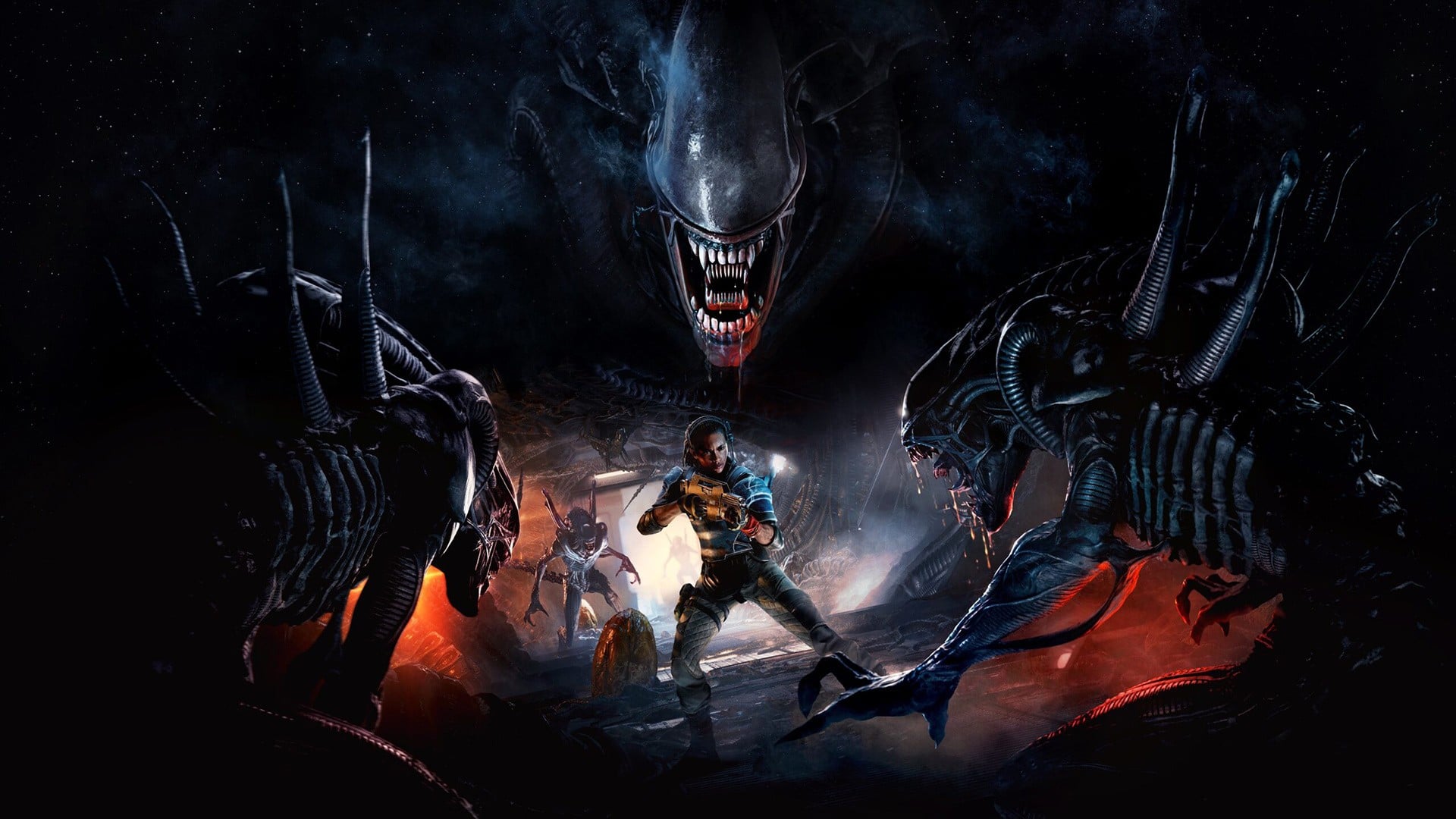
TL;DR
In a stunning move, Alien: Rogue Incursion has been surprise-released on the Nintendo Switch 2, bypassing all pre-release marketing. This shadow-drop, occurring on Tuesday, April 21, 2026, signals a major strategic shift for both Nintendo and the survival horror genre on next-generation hybrid hardware.
What Happened
In a move that has sent shockwaves through the gaming industry, the highly anticipated virtual reality survival horror title Alien: Rogue Incursion has been released without warning on the Nintendo Switch 2. The game, previously announced as a major VR-exclusive for PC and other high-end platforms, was shadow-dropped directly onto the Nintendo eShop on Tuesday, April 21, 2026, catching players and analysts completely off guard.
Key Facts
- The game, Alien: Rogue Incursion, was shadow-dropped on the Nintendo Switch 2 on Tuesday, April 21, 2026.
- The release was first reported by the publication Nintendo Life, with the article's headline referencing the series' iconic AI, MU/TH/UR.
- Prior to this event, the title was marketed as a virtual reality-exclusive experience, developed by Survios for platforms like Meta Quest 3, PlayStation VR2, and SteamVR.
- The Switch 2 version is confirmed to be a non-VR adaptation, representing a significant technical and design overhaul from its original concept.
- This marks one of the first major third-party AAA surprise releases for the Nintendo Switch 2, which launched in late 2025.
- The shadow-drop strategy completely bypassed the traditional pre-order and marketing cycle, a rarity for a licensed AAA property.
- The game’s file size and pricing were not detailed in the initial report, but its immediate availability suggests a complete, full-scale port.
Breaking It Down
The shadow-drop of Alien: Rogue Incursion is a masterclass in subverting modern gaming industry conventions. In an era defined by multi-year marketing campaigns, influencer previews, and protracted pre-order phases, Nintendo and developer Survios have executed a clean break. This move creates instant, fever-pitch demand purely through community discovery and word-of-mouth, a tactic rarely employed for a franchise as valuable as Alien. It demonstrates a calculated gamble that the strength of the IP and the novelty of the platform reveal are marketing enough.
The most significant implication is the technical confirmation it provides: the Nintendo Switch 2 is capable of hosting a credible, non-VR version of a cutting-edge virtual reality horror experience. This single fact reshapes the perceived power ceiling of Nintendo's hybrid console. Porting Alien: Rogue Incursion required Survios to not only strip out VR functionality but to entirely re-engineer the game's control scheme, camera perspective, and environmental interaction for a traditional display. That this was accomplished—and kept secret—suggests the Switch 2's architecture is robust enough to handle the core assets and gameplay logic of a title designed for vastly more powerful, dedicated VR hardware. It serves as a powerful signal to other developers about the platform's viability for complex, atmospheric AAA ports.
Furthermore, this release is a strategic coup for Nintendo. Securing a day-one, surprise release of a major horror title helps to immediately diversify the Switch 2's library beyond Nintendo's first-party staples and the expected indie and mid-tier support. It directly targets an audience of core gamers who may have questioned the console's commitment to mature, graphically intensive experiences. By aligning with Survios on this clandestine launch, Nintendo positions the Switch 2 not just as a family-friendly device, but as a legitimate contender for the full spectrum of gaming genres.
What Comes Next
The immediate aftermath of this shadow-drop will focus on technical and commercial performance. Players and critics are now dissecting the port's quality, frame rate, and visual fidelity, which will set a benchmark for future AAA third-party support on the Switch 2. Concurrently, the industry is watching sales metrics closely; strong performance could validate the shadow-drop as a viable model for other publishers.
The strategic ramifications will unfold over the coming weeks and months:
- The Metacritic and Digital Sales Charts (Week of April 28): The game's critical reception and its position on the Nintendo eShop best-sellers list will be the first concrete measures of success. A high Metacritic score coupled with a top chart placement will be seen as an unqualified win.
- Developer & Publisher Statements (Early May): Expect official post-mortem comments from Survios, 20th Century Games, and potentially Nintendo detailing the porting process, the decision for a shadow-drop, and sales figures if they are particularly strong.
- Industry Reaction at Summer Game Fest (June 2026): This event will be a key indicator of whether Nintendo's gamble has inspired confidence. Watch for announcements of other major, unexpected third-party titles coming to Switch 2, potentially employing similar surprise tactics.
- The Future of "Alien" on Switch 2 (Late 2026): Strong performance could greenlight further projects. This may include ports of older titles like Alien: Isolation or even discussions about future franchise entries being developed with the Switch 2 as a simultaneous target platform from the outset.
The Bigger Picture
This event intersects with two powerful currents in the technology and gaming landscape. First, it challenges the Primacy of the Marketing Funnel. The shadow-drop rejects the established playbook of building hype through controlled leaks, trailers, and previews. In a market saturated with advertising, the sheer shock and organic discussion generated by a surprise release can cut through the noise more effectively and at a lower cost, suggesting a potential recalibration of how blockbuster games are brought to market.
Second, it accelerates the Convergence of VR and Traditional Game Design. Alien: Rogue Incursion was conceived as a VR-native experience, leveraging immersion as its core horror mechanic. Its successful adaptation to a flat screen proves that compelling VR game design can be translated, validating VR studios' IPs as having broader market potential. This could encourage more VR developers to pursue dual-release strategies, making their costly projects more financially viable while further blurring the lines between platform-exclusive design philosophies.
Key Takeaways
- Strategic Shadow-Drop: Nintendo and Survios bypassed all traditional marketing to release Alien: Rogue Incursion without warning, creating instant buzz and challenging industry norms.
- Switch 2 Capability Showcase: The port proves the Nintendo Switch 2 can handle a credible adaptation of a cutting-edge VR title, significantly boosting its credibility for core AAA gaming.
- VR/Flat-Screen Convergence: The successful adaptation signals that high-concept VR game design can be effectively translated to traditional displays, potentially opening new avenues for VR developers.
- Third-Party Paradigm Shift: This move establishes a bold new template for how major third-party titles can launch on the Switch 2, focusing on surprise and technical proof over prolonged hype cycles.


