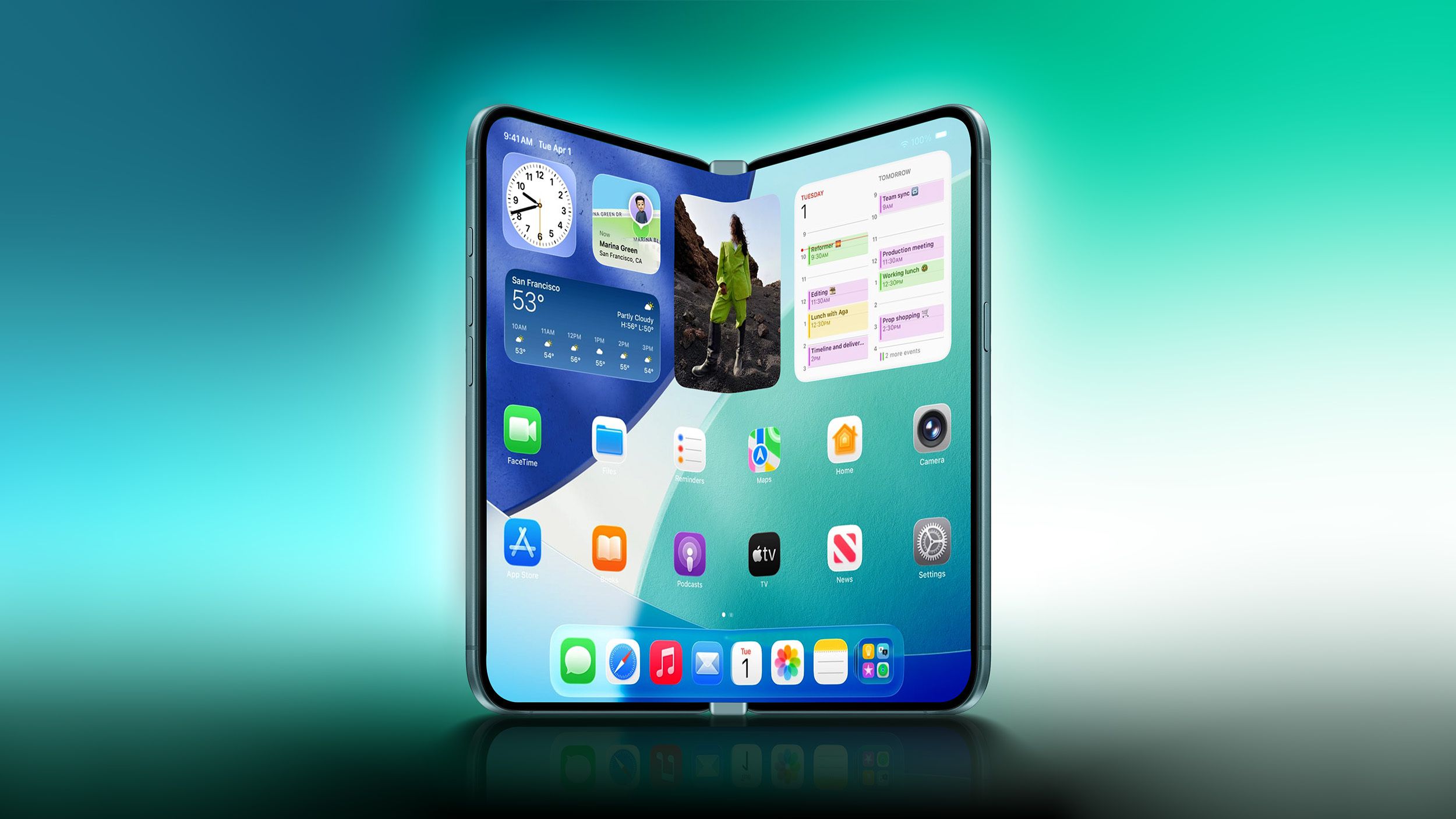
TL;DR
Apple's first foldable iPhone has reportedly entered a critical new testing phase, moving the long-rumored device closer to reality than ever before. This development matters now because it signals a definitive shift from speculative rumor to tangible engineering, forcing the entire smartphone industry to prepare for Apple's entry into a market segment it has watched from the sidelines for nearly a decade.
What Happened
The rumor mill surrounding Apple's most anticipated hardware project in years has shifted into a higher, more credible gear. According to a new report from MacRumors, the company's first foldable iPhone has now entered a new, formal testing stage that directly precedes mass production, indicating that the device is moving beyond pure research and development. This pivotal step suggests Apple's engineers and supply chain partners are now stress-testing near-final designs and manufacturing processes, bringing a product that has been the subject of endless speculation for nearly a decade to the brink of announcement.
Key Facts
- The report, published by MacRumors on Friday, April 10, 2026, cites supply chain sources indicating the device is in a "new testing stage" that occurs before mass production begins.
- This testing phase is a standard but critical Apple protocol, focusing on durability, hinge mechanics, and display integrity for a foldable form factor.
- While a final design is not yet locked, competing prototypes are believed to include a clamshell-style fold (like the Samsung Galaxy Z Flip) and a horizontal book-style fold (like the Galaxy Z Fold).
- Analyst Ming-Chi Kuo has previously suggested Apple's target for a foldable iPhone launch is 2027, aligning with this new 2026 testing timeline.
- The development follows years of Apple patent filings related to hinge designs, flexible display layers, and self-healing screen coatings to address creasing.
- Key suppliers reportedly involved in the testing phase include Samsung Display for the flexible OLED panels and LG Display as a secondary source.
- This move comes as the global market for foldable smartphones, led by Samsung, Huawei, and Motorola, is projected by DSCC to surpass 100 million units annually by 2027.
Breaking It Down
The transition into a formal pre-production testing stage is the most significant signal yet that Apple is committed to launching a foldable iPhone. For years, the project existed in a nebulous space of patents and analyst projections. This new phase represents a massive capital and engineering commitment, where Apple is no longer just asking "can we build this?" but "how do we build millions of this to our quality standards?" The focus on durability testing is paramount; Apple’s brand is built on perceived reliability and premium feel. A foldable iPhone that develops a visible crease, suffers hinge failure, or lacks a robust feel would be a catastrophic reputational event. The testing phase is where these existential risks are being quantified and, Apple hopes, engineered into oblivion.
The decision to test both clamshell and book-style form factors reveals a company still wrestling with the fundamental question of what a foldable iPhone should be for its users.
This internal debate is analytically crucial. The clamshell model prioritizes pocketability and nostalgia, offering a compact device that unfolds into a standard-sized phone—a potentially lower-risk entry point. The book-style model is more ambitious, aiming to replace both a phone and a tablet, but comes with greater engineering complexity, a higher price point, and the challenge of convincing users they need a larger canvas. Apple’s final choice will telegraph its strategic vision: is the foldable iPhone a novel, premium variant of the existing iPhone line, or is it intended to be the foundational new form factor for the next decade of mobile computing? The fact that both are still in play this late suggests Apple sees compelling use cases for each and is likely evaluating market data, component costs, and software readiness with extreme scrutiny.
Furthermore, Apple’s timing is a calculated market entry, not a rushed response. By entering the foldable arena in 2026-2027, Apple has allowed Samsung and Chinese OEMs to spend nearly a decade and billions of dollars pioneering the technology, absorbing the early adopter pains, and educating the market. Apple’s playbook has historically been to observe, refine, and enter a category when it can deliver a decisively better-integrated experience. The testing phase is where that refinement happens—where Apple’s famed vertical integration of hardware, software (iOS), and silicon (Apple Silicon) will be applied to solve the foldable’s persistent pain points, from software UI fragmentation to battery life optimization.
What Comes Next
The initiation of testing sets in motion a clear sequence of events that will define the product's path to market. Industry observers and competitors will be watching for several concrete milestones over the next 12-18 months.
- Design Lock and Supply Chain Ramp-Up (Late 2026): The most immediate next step is Apple finalizing its chosen form factor. Following this "design lock," component orders with Samsung Display, LG Display, and hinge manufacturers will scale from pilot production to volumes required for mass manufacturing. Leaks from these supply chains will become more frequent and detailed.
- Regulatory Certification Filings (Early 2027): Approximately 6-8 months before launch, the device will appear in regulatory databases like the U.S. FCC and Eurasian Economic Commission (EEC). These filings, while often cryptic, confirm the model identifiers and provide undisputable proof of the product's existence and imminent launch.
- Developer Kit and iOS Preparation (WWDC 2027): If Apple follows its historical pattern for new form factors, it will need to prepare third-party developers. We should expect the first public hints of foldable-optimized software frameworks at WWDC 2027, with potential developer kits seeded shortly after to ensure key apps are ready at launch.
- Official Announcement and Launch (September/October 2027): The most likely launch window remains Apple’s traditional September iPhone event. A 2027 debut would mark the iPhone’s 20th anniversary, providing a powerful narrative for introducing its most radical redesign since the original model.
The Bigger Picture
Apple’s move into foldables represents a major inflection point for two dominant trends in consumer technology. First, it validates the Post-Slate Smartphone Form Factor as more than a niche. While foldables have grown, they remain a small fraction of the overall market. Apple’s entry, with its immense marketing power and loyal customer base, is the single event most likely to catalyze mainstream adoption, pushing the form factor from early adopter curiosity to a viable choice for tens of millions. It forces the entire app ecosystem to take foldable interfaces seriously, accelerating software innovation across Android and iOS.
Second, this development intensifies the Great Hardware Convergence. The lines between smartphones, tablets, and even laptops are blurring. A successful large-format foldable iPhone would directly cannibalize iPad Mini sales and challenge the raison d'être of compact tablets. Apple’s challenge will be to segment its own product lines without causing excessive internal competition. This move also pressures competitors like Samsung and Google to accelerate their own innovation cycles, potentially spurring advances in rollable displays, multi-fold devices, and new materials science to maintain a competitive edge before Apple’s version sets a new benchmark.
Key Takeaways
- From Rumor to Reality: The device has progressed from concept and patent phase into formal engineering testing, the final stage before mass production, indicating a launch within the next 1-2 years.
- The Form Factor War: Apple is reportedly still evaluating both clamshell and book-style designs, meaning its fundamental vision for the product’s use case—compact phone vs. phone-tablet hybrid—is not yet settled.
- The Durability Imperative: The core focus of current testing is on overcoming the historic weaknesses of foldables: hinge reliability, screen creasing, and overall durability, areas where Apple’s reputation demands perfection.
- A Market-Defining Entry: Apple’s late but deliberate entry will legitimize the foldable category for the mainstream, force massive developer investment in optimized apps, and trigger a new wave of competitive innovation across the industry.