TL;DR
Modding legend Furrtek has announced the Neo Geo+, a new FPGA-based console aiming to be "better than emulation" for playing classic SNK games. This project, driven by a single developer with a legendary reputation in the preservation community, represents a significant challenge to the commercial retro console market and could set a new standard for hardware accuracy.
What Happened
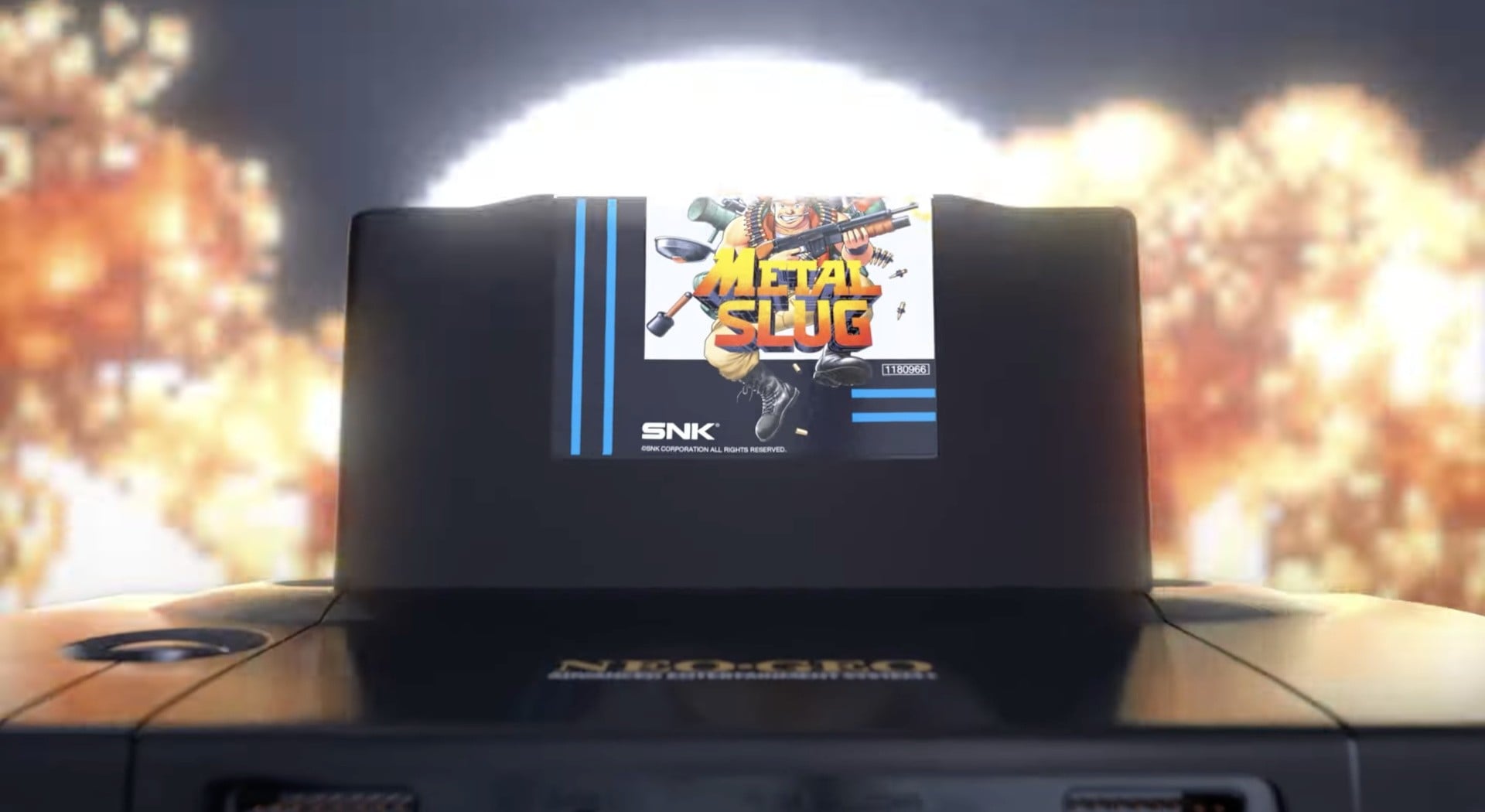
In a move that has electrified the retro gaming hardware scene, modding and preservation icon Furrtek has unveiled plans for the Neo Geo+, a new console designed to play classic SNK arcade and home cartridge games. The developer’s bold claim that the device will offer an experience "better than emulation" directly challenges the current landscape of plug-and-play mini consoles and software emulation, promising a level of authenticity not seen since SNK's own hardware ceased production.
Key Facts
- The project is being developed by Furrtek, a legendary figure in the hardware modding and preservation community known for deep technical work on systems like the Neo Geo, Vectrex, and Game Boy.
- The core technology is FPGA-based, using hardware reprogramming to mimic the original Neo Geo's chips at the transistor level, a method considered superior to software emulation for latency and accuracy.
- The stated goal is for the console to be "better than emulation" and have "every chance of being the best since SNK themselves stopped manufacturing hardware."
- The announcement was made via an interview published on Saturday, April 18, 2026, by the retro gaming news outlet Time Extension.
- The console is designed to be compatible with original Neo Geo cartridges, positioning it as a premium option for existing collectors and purists.
- This is an independent, passion-driven project rather than a commercial venture from a large corporation, similar to the community-driven success of the MiSTer FPGA project.
- Furrtek's reputation is built on open-source hardware designs and deep-dive technical blogs, suggesting the Neo Geo+ could have significant community and modding support.
Breaking It Down
The announcement of the Neo Geo+ is not merely another retro console launch; it is a direct philosophical challenge to the prevailing models of game preservation and commercial re-release. By targeting the Neo Geo—a system synonymous with high-cost, arcade-perfect hardware—Furrtek is aiming at the apex of retro gaming authenticity. The platform's library, filled with iconic fighting games like The King of Fighters and Samurai Shodown, is particularly sensitive to the input lag and timing inaccuracies that can plague even the best software emulators. A device that can legitimately claim to solve these issues would immediately become the holy grail for a dedicated segment of the community.
The project’s potential hinges on it being developed by a single individual, Furrtek, whose technical credibility in the niche world of hardware preservation is virtually unimpeachable.
This singular authorship is the project's greatest strength and its most significant risk. Unlike corporate projects driven by marketing and cost-cutting, the Neo Geo+ is born from a deep, documented understanding of the original hardware. Furrtek’s past work, such as creating the NeoBitz RGB video encoder and extensively documenting the Neo Geo’s cartridge protection (the CMC), provides a technical foundation few others possess. This credibility has generated immediate pre-release trust, a currency far more valuable in this niche than any advertising budget. However, it also places the entire timeline and final execution of a complex hardware product on one person's shoulders.
The choice of FPGA (Field-Programmable Gate Array) technology is the technical cornerstone of the "better than emulation" claim. While software emulation runs on a general-purpose processor, an FPGA can be reconfigured to act as the original hardware's chips. This results in cycle-accurate timing and sub-millisecond latency, effectively making the Neo Geo+ a new, reliable version of the original console. This approach has been validated by projects like Analogue’s consoles and the open-source MiSTer, but applying it to the multi-slot, cartridge-heavy Neo Geo architecture is a formidable task.
Furthermore, this project illuminates the growing rift between commercial re-releases and preservationist ideals. Companies like SNK and Sega have released mini consoles and compilation packages that are "good enough" for a mass audience. The Neo Geo+, by prioritizing perfect compatibility with original cartridges and arcade-accurate performance, serves a different master: the collector and the purist. It asks whether the future of retro gaming lies in convenient, licensed approximations or in technically superior, community-vetted hardware that respects the original engineering.
What Comes Next
The announcement is a starting pistol, and the community's eyes are now fixed on a series of critical upcoming milestones. The path from concept to cartridge slot will be defined by several key phases:
- Technical Demonstrations and Proof of Concept: The first and most crucial step will be public showcases of the FPGA cores in action. Expect Furrtek to release videos or detailed blog posts demonstrating game compatibility, input latency tests compared to original hardware, and the functionality of the cartridge interface. This evidence is necessary to substantiate the ambitious claims.
- Hardware Design and Sourcing Decisions: The internal architecture must be finalized. Will it use a Terasic DE10-Nano board like MiSTer, or a custom PCB? Decisions on video output (HDMI, RGB), controller ports (original DB15, USB adapters), and case design will significantly impact the final user experience and cost.
- Development of the Multi-Slot and Memory Card Functions: The Neo Geo's multi-slot arcade systems and memory card saves are defining features. Successfully implementing these in FPGA would be a monumental achievement, setting the Neo Geo+ apart from any other solution. Progress on these fronts will be a major indicator of the project's depth.
- Production and Distribution Model: This is the largest unknown. Will the design be open-sourced for the community to build? Will there be a limited pre-order run of fully assembled units? Or will it follow a kit-based model? Furrtek’s decision here will determine the project's accessibility and its long-term sustainability within the ecosystem.
The Bigger Picture
The Neo Geo+ project is a microcosm of two powerful, converging trends in technology. First, it exemplifies the Democratization of High-Fidelity Hardware Development. Tools like affordable FPGA development boards and accessible simulation software have empowered expert individuals like Furrtek to undertake projects that were once the exclusive domain of well-funded engineering teams at large corporations. The success of community-driven platforms like MiSTer has proven there is a sustainable model for this, creating a new path for hardware preservation that operates parallel to the commercial industry.
Second, it highlights the intensifying focus on Technical Fidelity as a Product. In an era of digital storefronts and subscription services offering vast libraries of emulated games, a growing segment of consumers is rejecting compromise. They are actively seeking products that prioritize original hardware accuracy, near-zero latency, and preservation of the original physical media interface. This trend is visible in the premium market for Analogue’s FPGA consoles, the aftermarket for OSSC and RetroTINK upscalers, and the booming market for original cartridge and disc collecting. The Neo Geo+ is positioned squarely at the high end of this trend, treating technical perfection not as a niche interest but as the primary product feature.
Key Takeaways
- A Preservationist's Challenge: The Neo Geo+, spearheaded by modder Furrtek, is a direct technical and philosophical challenge to mainstream commercial emulation, aiming to set a new standard for accuracy in retro gaming hardware.
- FPGA is the Key Battleground: The project's claim of being "better than emulation" rests entirely on its use of FPGA technology, which replicates original console hardware at the transistor level for superior latency and timing accuracy.
- Credibility Through Proven Expertise: The announcement carries immense weight because of Furrtek's established, open-source track record with Neo Geo hardware, granting the project instant credibility within the core preservation community.
- Defining the "Premium Retro" Niche: This initiative underscores a growing market segment that values technical fidelity and original media compatibility over convenience, further dividing the landscape between mass-market re-releases and purist-focused hardware.


