TL;DR
Games Workshop, in partnership with publisher Slitherine Software, has launched the Warhammer Classics digital collection, restoring seven legendary PC titles from the 1990s and early 2000s to modern systems. This initiative directly capitalizes on the surging mainstream popularity of the Warhammer universe, driven by the success of Warhammer 40,000: Space Marine 2, by offering both nostalgic fans and new players a curated portal into the franchise's foundational video game history.
What Happened
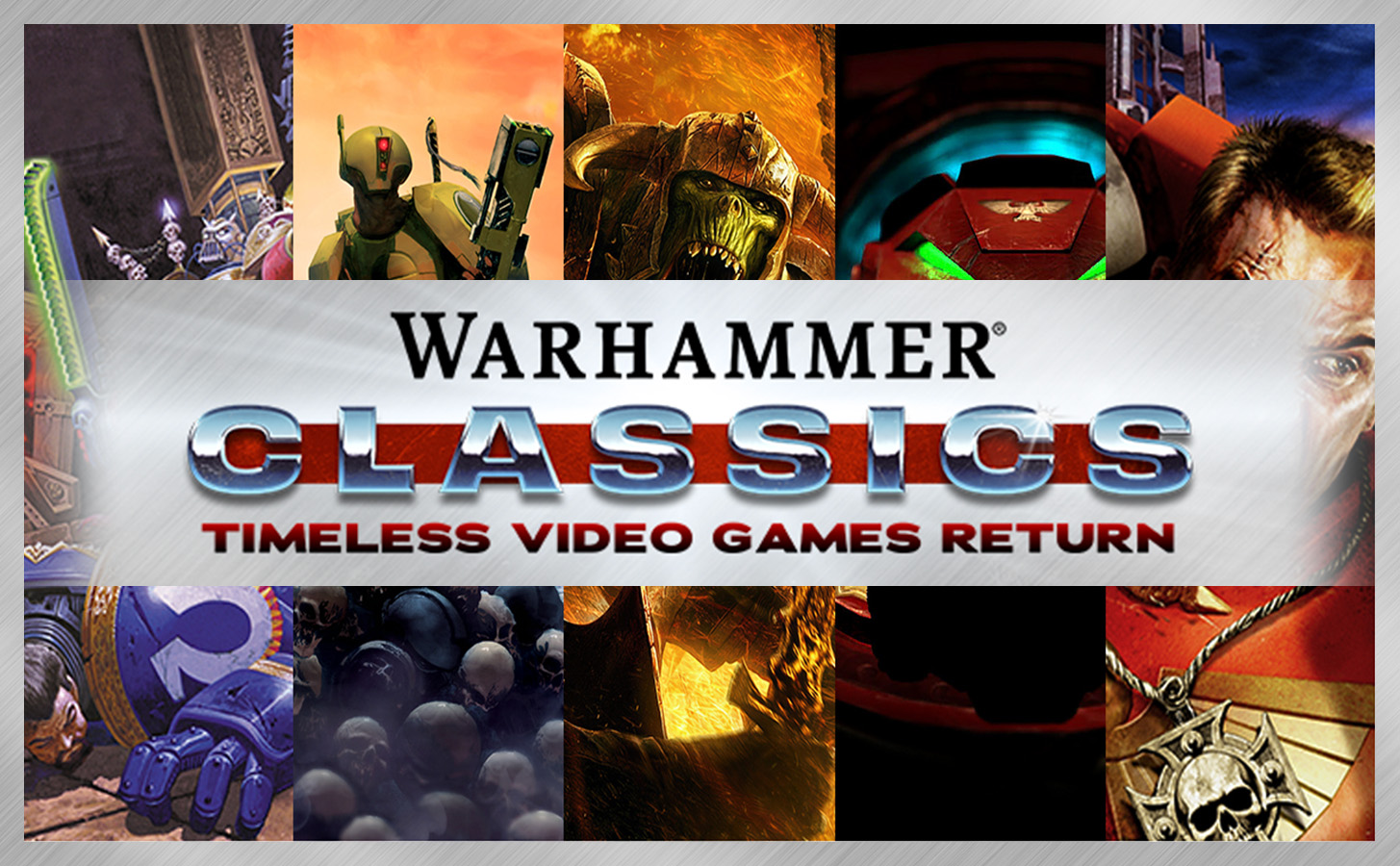
The gates of the Old World and the grim darkness of the far future have been flung open once more, not through a new release but through a deliberate act of digital preservation. On Monday, April 13, 2026, Games Workshop officially launched the Warhammer Classics collection, a curated digital storefront that has resurrected seven long-inaccessible PC games pivotal to the brand's video game legacy. This move, executed in partnership with Slitherine Software, instantly restores a crucial chapter of gaming history to a modern audience hungry for more Warhammer content.
Key Facts
- The Warhammer Classics collection launched on Monday, April 13, 2026, via a dedicated portal on Games Workshop’s community website.
- The initial lineup consists of seven definitive titles: Warhammer: Shadow of the Horned Rat (1995), Warhammer: Dark Omen (1998), Warhammer 40,000: Chaos Gate (1998), Warhammer 40,000: Rites of War (1999), Warhammer 40,000: Fire Warrior (2003), Warhammer 40,000: Final Liberation (1997), and Warhammer 40,000: Sanctus Reach (2017).
- The project is a collaboration between intellectual property holder Games Workshop and specialist strategy game publisher Slitherine Software, which is handling the technical re-release.
- Each game has been updated with DOSBox or modern wrapper integrations to ensure compatibility with contemporary Windows 10/11 operating systems.
- The collection is being sold à la carte, not as a single bundle, with prices ranging from $5.99 to $14.99 per title.
- This initiative follows the record-breaking success of Warhammer 40,000: Space Marine 2 in late 2025, which has dramatically expanded the franchise's mainstream video game audience.
- The selection deliberately spans multiple classic genres, including real-time tactics (Shadow of the Horned Rat), turn-based strategy (Chaos Gate, Rites of War), first-person shooters (Fire Warrior), and epic-scale turn-based tactics (Final Liberation).
Breaking It Down
The launch of Warhammer Classics is not a simple cash grab on nostalgia; it is a strategically timed and expertly executed maneuver in franchise management. By partnering with Slitherine Software, a publisher renowned for its work in niche and historical strategy gaming, Games Workshop has outsourced the complex technical legwork to a team with proven expertise in reviving older titles. This ensures the games are not just dumped onto digital storefronts but are presented with functional stability, a critical factor for modern players with zero tolerance for archaic installation hassles. The decision to sell titles individually, rather than as a forced bundle, shows a nuanced understanding of the audience: a veteran might only want to revisit Dark Omen, while a new fan of Space Marine 2 might be curious about the progenitor FPS, Fire Warrior.
The composition of the initial seven-title library is itself a statement of curatorial intent. It serves as a "greatest hits" of Warhammer's pre-2010s video game output, highlighting titles that were critically acclaimed, commercially notable, or cult favorites. Shadow of the Horned Rat and Dark Omen are still cited as foundational titles in the real-time tactics genre, influencing games like Total War: Warhammer. Chaos Gate is a direct spiritual ancestor to the massively successful XCOM-style Warhammer 40,000: Mechanicus and the upcoming Chaos Gate - Daemonhunters sequel. Their inclusion creates a tangible lineage for players to explore.
The inclusion of Warhammer 40,000: Sanctus Reach (2017) alongside games from the 1990s is the collection's most analytically significant choice, revealing a broader definition of a "classic."
This decision breaks the collection from being a purely historical artifact. By including Sanctus Reach, a game less than a decade old, Games Workshop and Slitherine are signaling that "Warhammer Classics" is a living, expanding platform. It establishes a criteria that may be less about age and more about significance, preservation status, and fan demand. It opens the door for future additions from the 2010s that may have become difficult to purchase or run, such as Space Marine (2011) or Dawn of War (2004), effectively allowing the platform to become the official, curated archive for the franchise's back-catalog.
Ultimately, this initiative is a direct and intelligent response to the "Space Marine 2 effect." The blockbuster success of that title has brought millions of new acolytes to the franchise who are now seeking deeper immersion. Warhammer Classics acts as a ready-made, officially sanctioned history lesson, allowing these new fans to engage with the foundational gameplay and narratives that shaped the modern interpretations they now enjoy. It transforms a potential content gap into a monetizable engagement opportunity.
What Comes Next
The launch of the initial seven titles is just the beginning. The structure of the Warhammer Classics portal and the partnership with Slitherine Software suggest a roadmap for expansion and community engagement.
- Announcement of a "Wave 2" for late 2026 or early 2027. The most immediate development will be the announcement of additional titles. High on fan wishlists are the original Warhammer 40,000: Dawn of War and its expansions, the third-person action game Warhammer 40,000: Space Marine (2011), and perhaps the cult classic Warhammer: Mark of Chaos (2006). The commercial performance of the first seven will dictate the pace and scale of this expansion.
- Potential for minor quality-of-life enhancements. While not full remasters, Slitherine may explore adding optional modern features to select titles. This could include scalable UI options, adjustable game speed for slower-paced strategy titles, or integrated controller support for games like Fire Warrior. Community feedback will guide these decisions.
- Integration with broader Games Workshop digital services. There is a clear opportunity to link Warhammer Classics more closely with the Warhammer+ subscription service or the official Citadel Colour software. Future additions could be offered as perks for subscribers, or the Classics portal itself could evolve into a broader "Games Workshop Vault" for digital media.
- Monitoring the impact on related new releases. The performance of Chaos Gate (1998) will be closely watched by developers of the upcoming Chaos Gate - Daemonhunters sequel. A surge in interest could validate certain narrative or gameplay directions, demonstrating how this archival project can actively inform contemporary development.
The Bigger Picture
The Warhammer Classics collection is a prominent example of the Digital Preservation and Commercialization of Gaming Heritage. As physical media degrades and digital storefronts delist older titles, IP holders are recognizing that their back catalogs hold significant latent value. This move goes beyond simple emulation; it is an official, branded effort to curate and recontextualize historical assets for a new market. It treats old games not as abandonware, but as active, revenue-generating components of a living franchise.
Furthermore, it intersects powerfully with the trend of Franchise Synergy and Transmedia Fandom. Modern entertainment giants no longer see video games, film, TV, and tabletop as separate silos. The explosive success of Space Marine 2 and the acclaimed Warhammer 40,000: Boltgun have created a halo effect, boosting interest in all things Warhammer. Warhammer Classics leverages this synergy by providing a low-barrier entry point for fans entering from different media. It allows the IP holder to capture and deepen engagement across multiple touchpoints, turning a video game fan into a potential novel reader, model painter, or animation viewer on Warhammer+.
Key Takeaways
- Strategic Franchise Management: Games Workshop is expertly leveraging the momentum from its modern hit (Space Marine 2) to monetize and promote its deep video game archive, creating a cohesive historical narrative for the brand.
- Expert Partnership: The collaboration with Slitherine Software provides the necessary technical and publishing expertise for a successful re-release, ensuring functionality and credibility beyond a simple ROM dump.
- Curated, Not Bundled: Selling titles individually respects consumer choice and allows the platform to cater to both nostalgic veterans and curious newcomers, maximizing potential revenue from a diverse audience.
- A Living Platform: The inclusion of a 2017 title signals that "Warhammer Classics" is designed to grow, potentially becoming the definitive official repository for the franchise's entire back-catalog of digital games.