TL;DR
Apple's official WWDC 2026 graphic has inadvertently revealed a complete visual overhaul of Siri, signaling the most significant redesign of the voice assistant since its 2011 debut. This leak matters now because it confirms Apple's aggressive, multi-year push to revitalize Siri with generative AI, directly challenging Google's Gemini and OpenAI's ChatGPT in the core smartphone interface.
What Happened
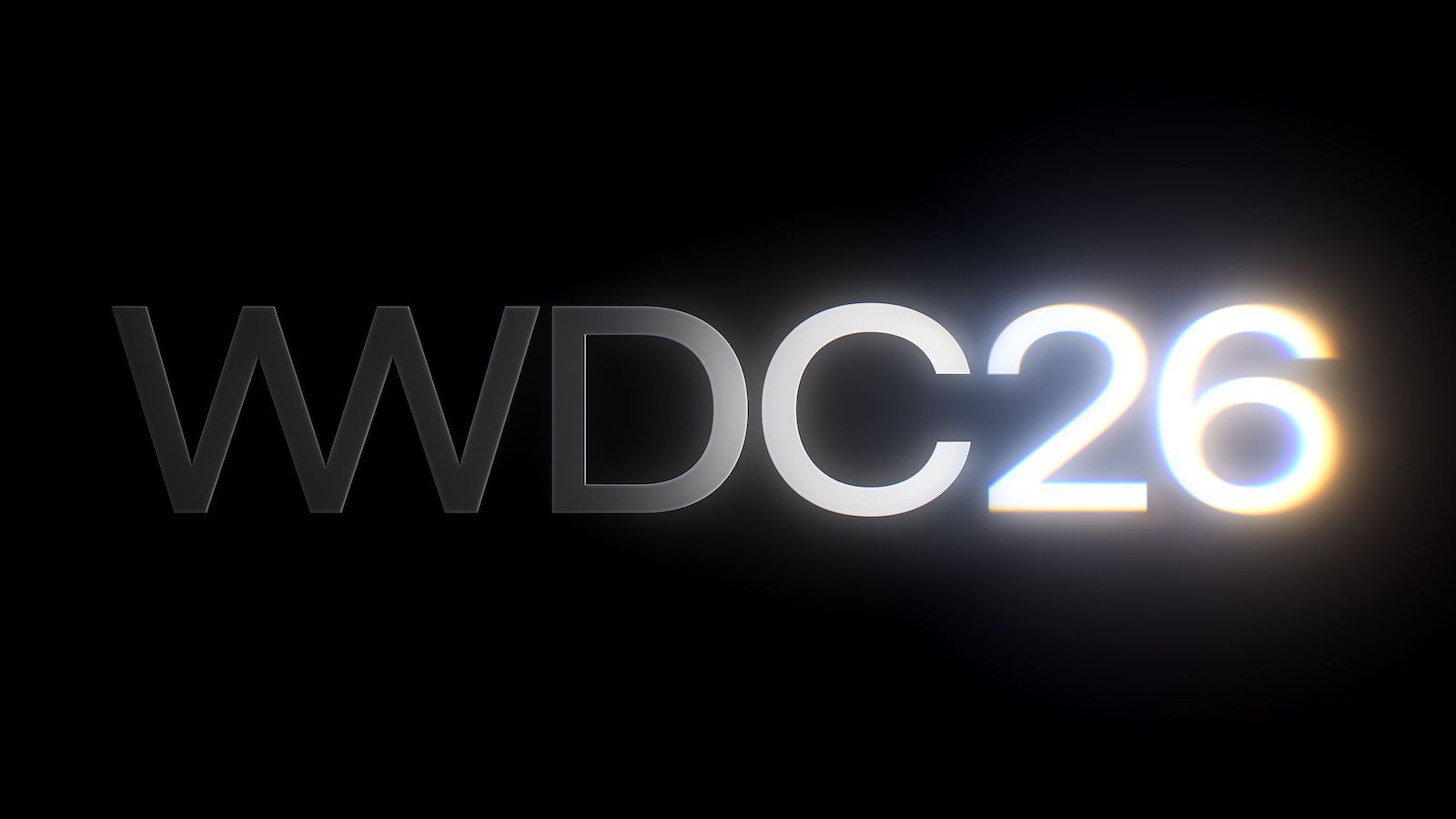
A single promotional image has cracked open Apple's secretive development vault. The official graphic for Apple's 2026 Worldwide Developers Conference (WWDC), released on the company's website, provides a clear, first look at a fully reimagined Siri interface destined for iOS 27. The graphic, analyzed by Bloomberg's Mark Gurman, shows a sleek, translucent orb and a dynamic new visual language, confirming that Apple's next-generation AI assistant is nearly ready for its public debut.
Key Facts
- The leak originated from Apple's own website, where the company published the official artwork for WWDC 2026, scheduled for June 9-13.
- Bloomberg's Mark Gurman, Apple's most reliable insider, confirmed the graphic shows "a glimpse of the revamped Siri interface coming in iOS 27."
- The new design replaces Siri's iconic waveform at the bottom of the screen with a large, translucent orb that changes color and shape in response to user queries.
- This visual overhaul is the surface layer of Project Graybird, Apple's internal initiative to rebuild Siri on a new, generative AI-powered architecture.
- The reveal comes just seven weeks before WWDC, where iOS 27 and its new Siri are expected to be the central focus of the keynote.
- This follows Apple's 2024 and 2025 AI push, which integrated foundational models into core apps but left Siri's interface largely unchanged until now.
- The timing positions Apple to directly counter Google I/O 2026 and its anticipated Gemini advancements, setting up a head-to-head AI showdown this summer.
Breaking It Down
The WWDC graphic leak is far more than a simple design preview; it is a strategic signal of Apple's final approach in the generative AI race. For years, Siri has been criticized as a stagnant product, lagging behind the contextual understanding and conversational depth of rivals. The new interface, centered on a responsive, intelligent-looking orb, is designed to visually communicate a fundamental shift in capability. It moves Siri from a transactional tool to a persistent, ambient presence, suggesting an assistant that can maintain context, handle multi-step requests, and generate original content—all hallmarks of large language models.
The redesign represents the first complete visual overhaul of Siri's core interface in its 15-year history.
This fact underscores the seismic nature of the shift. Since its introduction with the iPhone 4s in 2011, Siri's visual identity has been remarkably consistent, defined by the colorful soundwave. Abandoning this iconic element is a clear statement from Apple that the old Siri paradigm is over. The new orb is not just a fresh coat of paint; it is the user-facing manifestation of a rebuilt technological backbone. It implies a system that is "thinking" (through animations and color shifts), moving beyond simple command-and-response to a more fluid, ongoing dialogue.
The leak's origin is equally telling. Coming from Apple's own marketing materials suggests this was not an accidental slip by a low-level employee but a calculated, or at least approved, early tease. In the high-stakes environment of AI competition, controlling the narrative is crucial. By allowing this glimpse, Apple builds immense hype for WWDC 2026 while simultaneously pressuring competitors like Google and OpenAI. It tells developers, consumers, and the market that Apple's answer to the chatbot revolution is not just coming—it is polished, integrated, and ready for its close-up.
Furthermore, this visual shift is intrinsically linked to hardware. The translucent, screen-filling orb is designed for the always-on displays of modern iPhones and the immersive canvas of the Apple Vision Pro. It hints at a future where Siri is a spatial, glanceable interface. This design language would be incoherent without the underlying AI to justify its prominence, confirming that Project Graybird's technical achievements are substantial enough to warrant a completely new visual metaphor for human-computer interaction.
What Comes Next
The leaked graphic has set the stage for a pivotal seven-week run-up to WWDC, with several key milestones and questions now coming into sharp focus.
- Developer Beta Rollout (June 9-13): The first developer beta of iOS 27, released immediately after the WWDC keynote, will provide the first hands-on experience with the new Siri. Developers will scrutinize its API for new "SiriKit" capabilities, particularly around on-device AI processing and inter-app functionality.
- The "Apple GPT" Reveal: The interface is just the shell. At WWDC, Apple must detail the large language model powering it. All attention will be on its branding (will it be "Apple Intelligence" or something new?), its on-device versus cloud capabilities, and crucially, any potential partnerships—such as with OpenAI or Google—for advanced model support.
- The Privacy Pitch: Apple's entire differentiation in AI hinges on privacy. Tim Cook and Craig Federighi will need to articulate, in precise technical detail, how a vastly more powerful Siri can perform complex reasoning while maintaining the company's staunch commitment to on-device processing and data minimization. This will be their core argument against cloud-centric rivals.
- The Hardware Handshake: WWDC 2026 will also preview how the new Siri integrates with upcoming hardware. Expect demonstrations of its capabilities on the iPhone 17 line (due Fall 2026) and, critically, deeper integration with Apple Vision Pro as a spatial assistant, which could be a killer app for the platform.
The Bigger Picture
This leak connects directly to two dominant, converging trends in consumer technology. First, the Interface Invisibility Trend, where advanced AI seeks to move beyond chat boxes and become an ambient, anticipatory layer of the operating system. Apple's orb is a step in this direction, aiming to make AI assistance more natural and less like using a search engine. Second, it highlights the Platform AI Arms Race, where the value of a smartphone or computer ecosystem is increasingly defined by the intelligence of its native assistant. Apple, Google, and Microsoft are all betting that control over this primary AI interface will dictate user loyalty for the next decade.
Furthermore, Apple's visual reboot of Siri is a tacit admission that Generative AI demands new interaction models. The old voice-first paradigm is insufficient for tasks involving complex reasoning, document creation, or image editing. The new interface must gracefully blend voice, text, touch, and potentially gaze (on Vision Pro) inputs. Apple's solution, as glimpsed, suggests a move towards a multimodal "persona" for the AI—a visual anchor with which users can build a working relationship, a concept being explored across the industry.
Key Takeaways
- Visual Revolution: Apple is discarding Siri's 15-year-old waveform for a dynamic, generative AI-era interface centered on a responsive orb, signaling a complete philosophical reset.
- Project Graybird Nears Launch: The leak is the first tangible evidence that Apple's secretive Siri rebuild is mature, setting the stage for a technical deep dive at WWDC 2026 in June.
- Strategic Timing: The early reveal, whether intentional or not, builds hype and applies competitive pressure on Google and OpenAI just before their own major developer conferences.
- Beyond Voice: The design implies a Siri moving from a voice assistant to a multimodal, contextual, and potentially spatial AI partner, integrated into the fabric of iOS and Apple's hardware ecosystem.