TL;DR
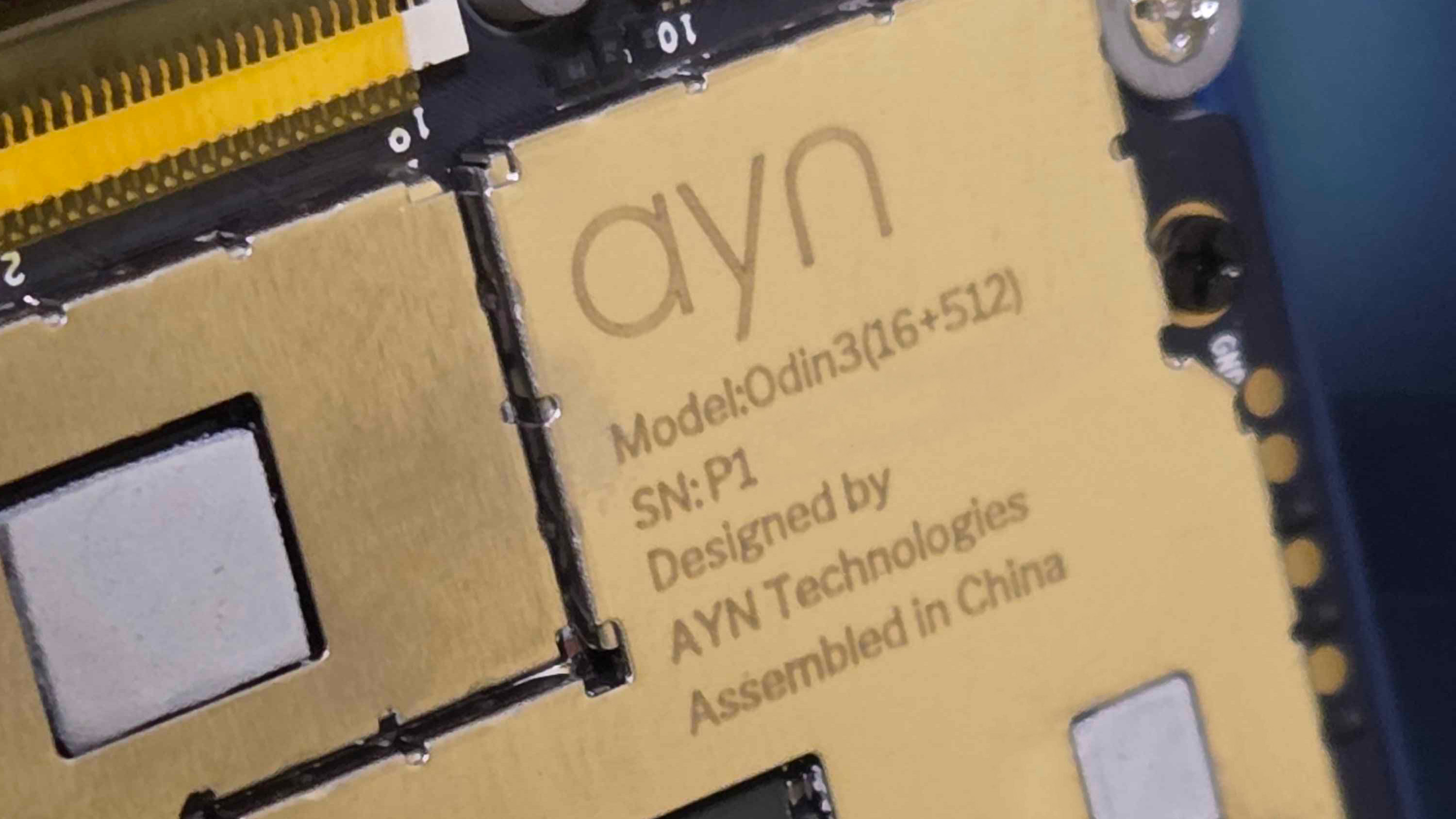
AYN has removed all references to the flagship Snapdragon 8 Elite chipset from its Odin 3 promotional materials, replacing it with the ambiguous Dragonwing Q8 designation. This eleventh-hour branding shift, just weeks before the device's scheduled launch, has thrown the handheld's performance claims into question and risks eroding trust in a company known for delivering premium hardware.
What Happened
In a move that has sent shockwaves through the retro gaming and handheld PC community, hardware manufacturer AYN Technologies has silently but comprehensively scrubbed the high-profile Snapdragon 8 Elite branding from the official Odin 3 landing page. The promised flagship chipset has been replaced with the previously unknown Dragonwing Q8 moniker, a change discovered by users on Sunday, April 5, 2026, and first reported by Retrohandhelds.gg.
Key Facts
- AYN Technologies executed a site-wide update, replacing "Snapdragon 8 Elite" with "Dragonwing Q8" across its official Odin 3 product page and promotional copy.
- The change was first documented on Sunday, April 5, 2026, by the community news site Retrohandhelds.gg, mere weeks before the device's anticipated launch window.
- Prior marketing for the Odin 3 had heavily emphasized the Qualcomm Snapdragon 8 Elite as its core component, positioning it as a direct competitor to other premium Android handhelds.
- The term "Dragonwing Q8" has no established history in Qualcomm's official chipset nomenclature, leading to immediate speculation about its origin and specifications.
- AYN has not, as of this reporting, issued any official statement, press release, or detailed technical clarification regarding the sudden rebranding.
- The Odin 3 is the successor to the critically acclaimed Odin 2, which itself used a Snapdragon 8 Gen 2 chipset and set a high bar for performance in its category.
- This incident follows a pattern in the crowded handheld market where final hardware sometimes diverges from early crowdfunding or pre-launch specifications.
Breaking It Down
This is more than a simple name change; it is a fundamental pivot that strikes at the heart of the Odin 3’s value proposition. The Snapdragon 8 Elite is not just a component—it is a brand synonymous with top-tier mobile performance, advanced ray-tracing capabilities, and robust driver support from Qualcomm. By removing this branding, AYN has voluntarily discarded a powerful marketing tool and a key benchmark for potential buyers. The immediate and primary risk is a crisis of consumer confidence. Backers and early adopters who were sold on the Elite's specific performance profile may now feel the goalposts have been moved without explanation, potentially triggering refund requests and damaging AYN's reputation for transparency.
The most critical unknown is whether this is a cosmetic rebrand of the same silicon or a last-minute hardware substitution to a completely different, and likely less capable, chip.
This single question defines the entire controversy. If "Dragonwing Q8" is merely a custom branding agreement with Qualcomm for the same 8 Elite silicon—perhaps to secure a better unit price—the performance impact could be negligible. However, the complete absence of the Snapdragon name makes this unlikely, as Qualcomm typically insists on its branding for flagship parts. The more probable, and concerning, scenario is that AYN has been forced to switch to a different system-on-a-chip (SoC) entirely, possibly due to supply constraints, cost overruns, or technical integration issues. This could mean a shift to a MediaTek Dimensity chip, an older-generation Snapdragon, or a lesser-known Chinese semiconductor. Each alternative carries implications for emulation performance, power efficiency, and long-term software support that fall short of the originally promised Elite experience.
The timing of this revelation is exceptionally poor. The handheld market in 2026 is fiercely competitive, with devices like the Steam Deck OLED, Asus ROG Ally X, and Lenovo Legion Go dominating the Windows space, and rivals like Ayn Loki and Retroid challenging in the Android segment. AYN’s Odin 2 succeeded by offering unmatched performance-per-dollar. The Odin 3 needed to replicate this formula with a clear generational leap. This branding confusion now overshadows the launch, forcing the conversation away from the device's features and onto a foundational question of what, exactly, is inside it. The company's silence is amplifying the problem, allowing speculation to harden into assumed fact within its core community.
What Comes Next
The immediate future hinges entirely on AYN's response. The community and tech press are now in a holding pattern, awaiting clarification that will determine the Odin 3's fate.
- AYN’s Official Explanation: The company must issue a detailed technical disclosure, ideally within the next 48-72 hours, to prevent irreversible damage. This statement needs to explicitly define the Dragonwing Q8, including its CPU/GPU architecture, manufacturing process, and performance benchmarks compared to the Snapdragon 8 Elite and the Odin 2's Snapdragon 8 Gen 2.
- Reviewer and Influencer Reaction: Once clarification (or units) are provided, the verdict from trusted technical reviewers like Retro Game Corps, ETA PRIME, and Taki Udon will be paramount. Their independent benchmarks for GameCube, PS2, Wii, and 3DS emulation will reveal the real-world impact of this chipset change.
- Pre-order and Launch Impact: AYN will have to decide whether to proceed with the current launch timeline, adjust pricing to reflect a potentially different performance tier, or, in a worst-case scenario, delay the launch. How the existing base of pre-order customers reacts will be a key leading indicator of the device's commercial viability.
- Competitive Response: Rival manufacturers are undoubtedly watching. Companies like Retroid or Anbernic could accelerate marketing for their own upcoming devices, explicitly highlighting their use of verified, branded Qualcomm or MediaTek chipsets to capitalize on AYN's moment of uncertainty.
The Bigger Picture
The Odin 3 saga is a microcosm of two persistent tensions in the consumer technology industry. First, it highlights the risks of pre-launch marketing in hardware-crowded spaces. Companies often announce specifications based on projected supply and partnerships, creating a promise that can fracture if sourcing deals fall through or engineering hurdles emerge. This leads to the "bait-and-switch" perception, whether intentional or not, that erodes trust in crowdfunding and early-adopter models.
Second, it underscores the growing complexity and opacity of the global semiconductor supply chain. Even years after the peak pandemic shortages, securing specific, high-end chipsets in volume remains a challenge, especially for smaller manufacturers like AYN who lack the purchasing power of Apple or Samsung. This can force last-minute design pivots. Furthermore, the rise of white-label or custom-branded chipsets from Chinese fabs adds another layer of confusion for consumers, who rely on known brands like Snapdragon or Apple Silicon as shorthand for guaranteed performance tiers.
Key Takeaways
- Transparency Crisis: AYN's silent rebranding from a known flagship chip (Snapdragon 8 Elite) to an unknown one (Dragonwing Q8) has created a significant trust deficit that only immediate, detailed technical disclosure can repair.
- Performance Uncertainty: The core value proposition of the Odin 3 is now in question. Until independent benchmarks are available, potential buyers cannot assess if it represents the intended generational leap over the Odin 2.
- Market Timing Risk: The controversy has hijacked the product's launch narrative at a critical moment, handing an advantage to competitors in the intensely fought premium handheld market.
- Specification Volatility: This event serves as a cautionary tale for consumers about the potential gap between early marketing claims and final shipping hardware in the fast-paced, supply-chain-dependent world of niche tech devices.