TL;DR
With the successful crewed launch of NASA's Artemis 2 mission on April 9, 2026, public excitement for space exploration has surged to a multi-decade high. This cultural moment has directly catalyzed a renewed commercial and creative focus on space-themed entertainment, with the gaming industry poised for a significant "halo effect" as players seek to extend the experience from their living rooms.
What Happened
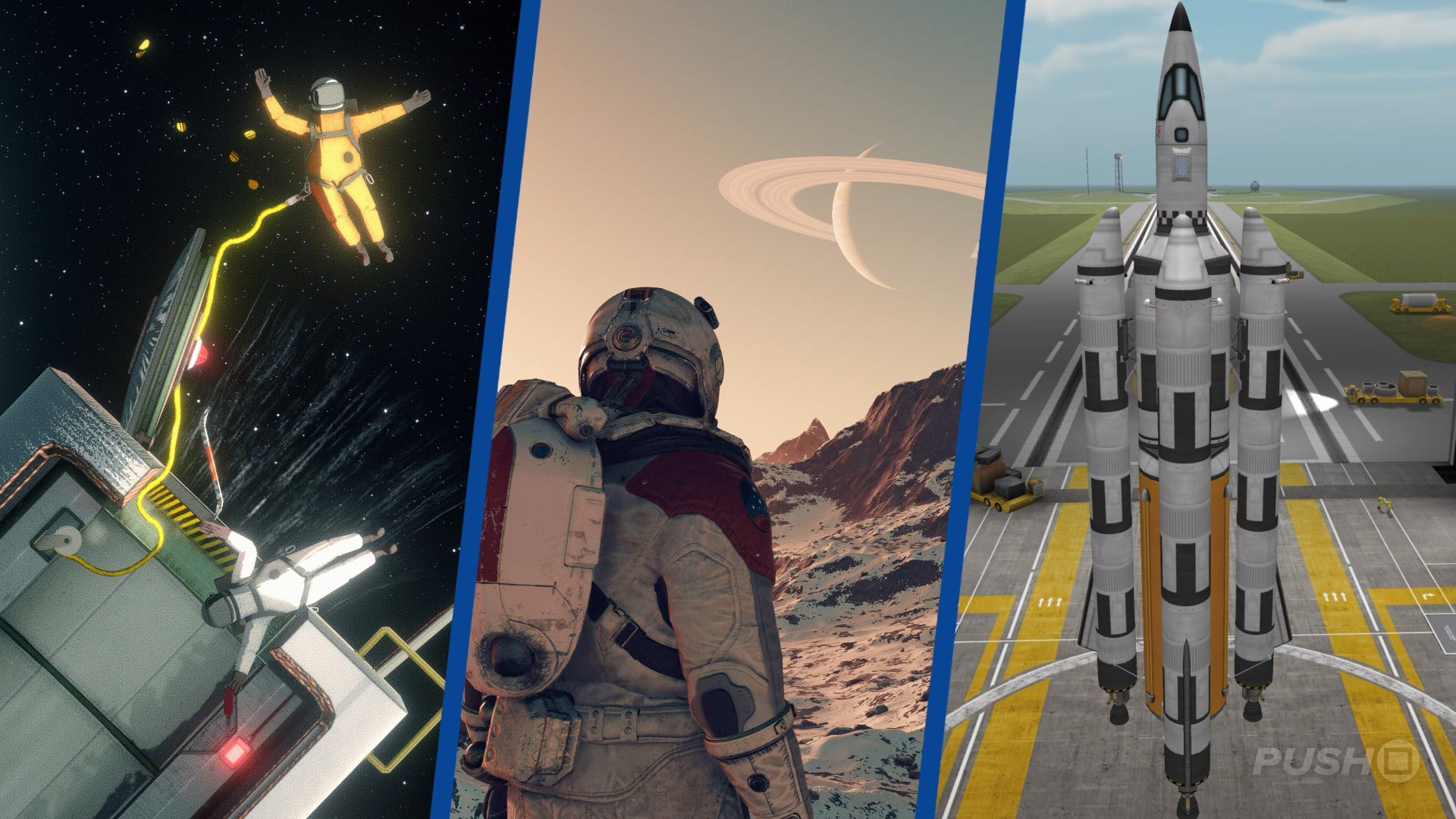
On April 9, 2026, the roar of the Space Launch System (SLS) rocket marked a historic return as NASA's Artemis 2 mission successfully launched a four-person crew on a lunar flyby, humanity's first crewed journey to the Moon since 1972. In the immediate cultural wake of this achievement, media outlet Push Square has identified a surge in player interest, curating a list of 10 essential PlayStation space games that allow gamers to channel the spirit of Artemis from their consoles.
Key Facts
- The Artemis 2 mission launched on April 9, 2026, carrying NASA astronauts Victor Glover, Christina Koch, and Reid Wiseman, along with Canadian Space Agency astronaut Jeremy Hansen.
- Push Square's curated list, published Friday, April 10, 2026, features 10 specific space-themed titles available on PlayStation 5 and PlayStation 4, capitalizing on the mission's immediate cultural impact.
- The list is explicitly framed as a response to the "Lunar tick"—a surge of public enthusiasm and curiosity following major real-world spaceflight events.
- The Artemis program is a NASA-led international effort involving the European Space Agency (ESA), the Canadian Space Agency (CSA), and commercial partners like SpaceX and Lockheed Martin.
- The selected games span genres from narrative-driven adventures and survival simulators to grand strategy, indicating a broad appetite for virtual space experiences.
- This publishing move highlights the gaming industry's role as a primary channel for public engagement with complex scientific and exploratory themes.
- The timing demonstrates how digital media can react in near real-time to major global events, shaping consumer behavior and entertainment trends within 24 hours.
Breaking It Down
The publication of this gaming list less than 24 hours after the Artemis 2 launch is not a coincidence; it is a strategic recognition of a well-documented sociological phenomenon. Major spaceflight achievements consistently trigger a wave of public fascination—a "Lunar tick"—that extends far beyond the scientific community into popular culture. Push Square’s immediate curation acts as a direct funnel for this excitement, providing a tangible pathway for individuals inspired by the live broadcast of the launch to engage interactively with similar themes. This bridges the gap between spectator and participant, a role uniquely filled by the interactive medium of video games.
The content of the list itself is analytically significant. By including titles like the scientifically grounded survival game No Man's Sky (after its monumental updates), the narrative-heavy The Outer Worlds, and the strategy epic Stellaris, the list acknowledges that the appeal of Artemis is multifaceted. It is not solely about the technical act of flight but about the broader human themes of discovery, survival in hostile environments, resource management, and encountering the unknown. These games allow players to explore the "what if" scenarios that real-world programs like Artemis make feel newly plausible.
The immediate commercial and cultural alignment of a gaming publication with a $4.1 billion crewed space mission underscores the immense, cross-industry value of the "inspiration" factor that NASA and other agencies often cite.
This synergy reveals a sophisticated, real-time cultural feedback loop. NASA's mission, funded by public investment, generates a massive wave of global attention and goodwill. The private sector, in this case the gaming media and industry, rapidly mobilizes to meet the demand for related content, thereby extending the mission's cultural shelf-life and commercial reach. This isn't just about selling games; it's about sustaining public engagement in space during the long intervals between actual launches. The games serve as keeping the narrative of human spaceflight alive and compelling in the public imagination, which in turn supports the political and financial capital required for missions like the upcoming Artemis 3 lunar landing.
Furthermore, this event highlights the evolving role of Sony's PlayStation platform as a central hub for experiential storytelling. The listed games offer varying degrees of fidelity to reality, from hard sci-fi to fantastical adventure, but collectively they form a digital "space portfolio" for the console. In the competition for consumer attention and dollars, aligning a platform's library with a peak cultural moment is a savvy move, reinforcing PlayStation's brand identity as a home for high-quality, immersive experiences that resonate with current events.
What Comes Next
The Artemis 2 mission is a critical precursor, but the program's defining milestones lie ahead. The public interest spike from this launch sets the stage for an even more intense focus on the subsequent phases, with gaming and media poised to parallel each development.
- The Artemis 2 Crew's Return and Debrief (Late April 2026): The successful splashdown and subsequent crew media tour will generate another wave of coverage. Expect game developers and publishers to highlight titles featuring astronaut narratives or survival stories, leveraging the crew's personal experiences.
- Artemis 3 Mission Hardware Readiness Reviews (2026-2027): The focus will shift to the development of the Starship Human Landing System (HLS) by SpaceX and new lunar spacesuits by Axiom Space. Delays or successes in these programs will directly influence the tone of space-themed games, potentially boosting interest in engineering or colony-building simulators.
- The Planned Artemis 3 Crewed Lunar Landing (NET September 2026): This will be the ultimate test and the next major global event. The gaming industry's response will likely be more pronounced, potentially involving timed content updates for major games, new game announcements, or special edition hardware releases themed around the landing.
- The Expansion of the "Space Game" Genre: Anticipate new game announcements and development shifts toward more grounded, near-future solar system exploration, moving slightly away from purely fantastical interstellar travel, to ride the wave of interest in lunar and Martian exploration.
The Bigger Picture
This moment illustrates two powerful, converging trends in technology and media. First, the Democratization of Space Experience. While physical space travel remains the domain of a select few, advanced gaming software and hardware (like VR) are creating increasingly authentic and accessible proxies. Games are becoming the primary way for millions to simulate the experience of exploration, piloting, and discovery that missions like Artemis represent.
Second, it highlights Real-Time Cultural Convergence. The latency between a major real-world event and curated digital content responding to it has shrunk to almost zero. This reflects a media ecosystem where analytics instantly gauge public sentiment, and content platforms—whether news, social media, or gaming—can pivot immediately to serve and capitalize on that interest. The line between current events and entertainment is blurring, with interactive media serving as both a reflection of and a participant in the cultural narrative.
Key Takeaways
- Cultural Synergy in Action: The near-instantaneous response from the gaming media to the Artemis 2 launch demonstrates a sophisticated, real-time feedback loop between monumental scientific achievement and popular entertainment.
- Gaming as an Engagement Engine: Video games are a primary tool for maintaining public interest in space exploration during long development cycles, transforming passive viewers into active participants and keeping the narrative alive.
- The Multifaceted "Lunar Tick": Public inspiration from spaceflight extends beyond rocketry into broader themes of survival, strategy, and discovery, which a diverse range of game genres is uniquely positioned to satisfy.
- Strategic Platform Alignment: For console platforms like PlayStation, aligning their content library with peak cultural moments reinforces brand identity and commercial relevance, positioning games as core contemporary cultural commentary.


