TL;DR
Ferrari's design language has evolved through eight decades, producing 16 landmark models that blend racing pedigree with sculptural artistry. From the 1962 250 GTO to the 2013 LaFerrari, these cars define automotive aesthetics and engineering benchmarks, with current market values reaching $70 million for the rarest examples.
What Happened
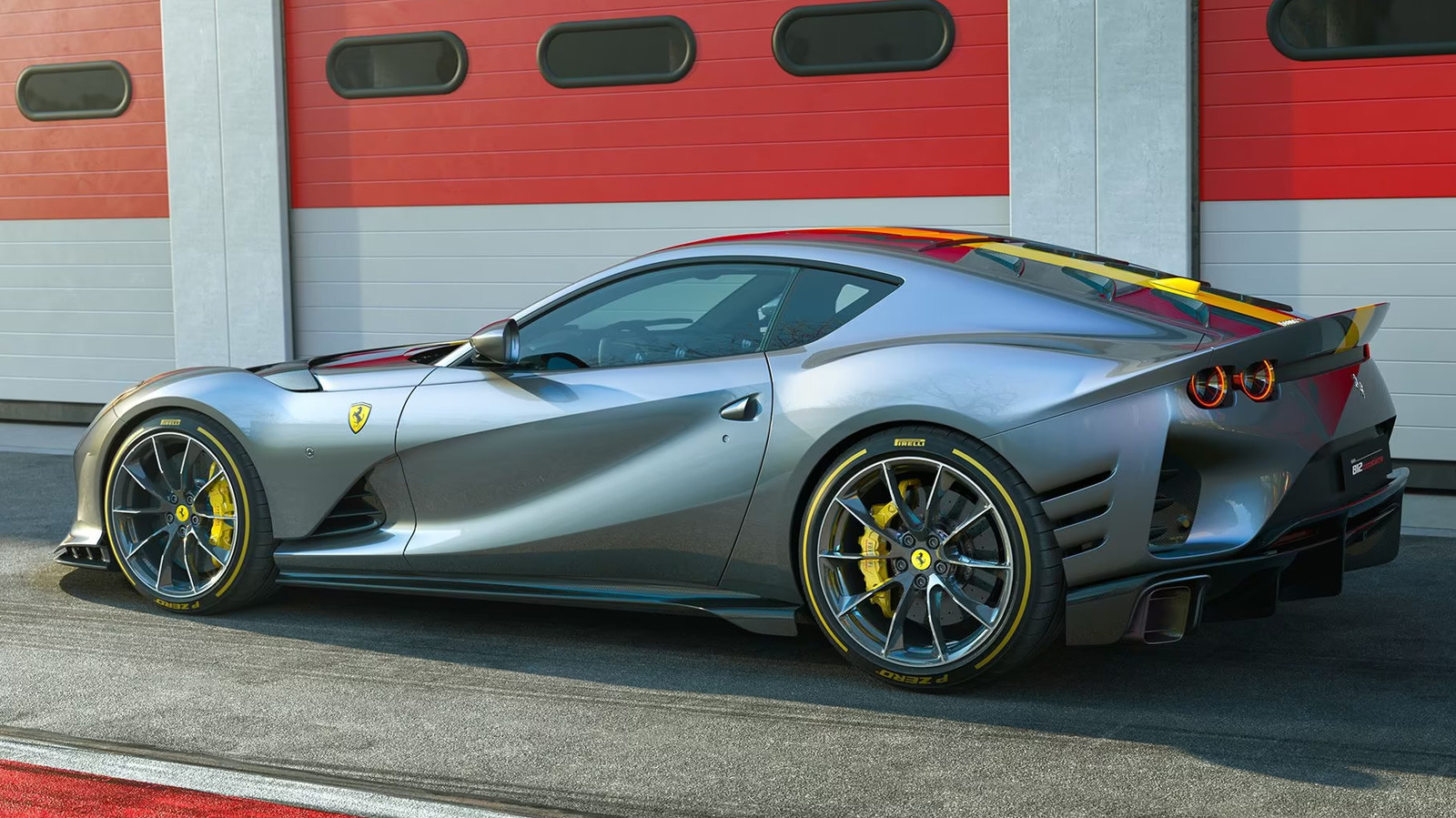
SlashGear published a definitive ranking of 16 Ferrari designs spanning 80 years, from Enzo Ferrari's earliest V12 road cars to the latest hybrid hypercars. The list evaluates each model's stylistic influence, technological innovation, and cultural impact, highlighting how Maranello's design philosophy has shifted from pure function to deliberate art.
Key Facts
- The 1962 Ferrari 250 GTO tops the list, with only 36 units built and a 2023 auction record of $51.7 million.
- Pininfarina designed 14 of the 16 featured models, a partnership that began in 1951 with the 212 Inter.
- The 1984 Ferrari 288 GTO introduced the brand's first turbocharged road car, producing 400 horsepower from a 2.9L V8.
- The 2013 LaFerrari uses a HY-KERS hybrid system combining a 6.3L V12 with an electric motor for 950 total horsepower.
- Ferrari's F40 (1987) was the last car personally approved by Enzo Ferrari before his death in 1988.
- The 1967 275 GTB/4 featured a four-cam V12 and was the first Ferrari with a dry-sump oil system for road use.
- Seven of the 16 designs are front-engine V12 grand tourers, reflecting the brand's core DNA.
Breaking It Down
The SlashGear list is not merely a popularity contest—it is a chronicle of how Ferrari balanced racing technology with road-car aesthetics across distinct eras. The 1960s wedge period produced the 250 GTO and 275 GTB/4, where coachbuilders like Scaglietti hand-formed aluminum bodies over tubular steel frames. These cars were designed for speed first, beauty second, yet their proportions—long hoods, short decks, Kamm tails—became the visual vocabulary for every Ferrari that followed.
The 250 GTO achieved a drag coefficient of 0.36 in 1962, a figure that rivals many modern sports cars, while weighing just 2,200 pounds—less than a 2024 Mazda Miata.
The 1980s marked Ferrari's most radical shift with the 288 GTO and F40. These cars abandoned the curvaceous lines of earlier models for sharp edges, pop-up headlights, and massive rear wings. The F40's bare carbon-fiber interior and 478-horsepower twin-turbo V8 made it a raw, uncompromising machine—a direct response to the Porsche 959 and the Group B rally era. Ferrari sold the F40 for $400,000 in 1987; today, examples exceed $3 million.
The modern era brings hybridization and digital design. The LaFerrari (2013) and SF90 Stradale (2019) use electric motors to boost power while meeting emissions regulations, yet their styling remains unmistakably Ferrari. The LaFerrari's active aerodynamics—including a rear diffuser that moves at speed—represent a fusion of Formula 1 technology and Pininfarina's sculptural language. Each model on the list demonstrates that Ferrari's design evolution is not linear but cyclical, returning to clean, organic forms after periods of aggressive angularity.
What Comes Next
Ferrari's design future will be shaped by three forces: electrification, digital customization, and heritage reissues. The company has already announced its first fully electric model for 2026, designed under new chief creative officer Flavio Manzoni. Early spy shots suggest a four-door grand tourer with a low, cab-forward silhouette—a departure from the front-engine V12 layout that dominates the SlashGear list.
- Ferrari's electric debut: The first EV arrives in Q4 2026, with a target price of $500,000+ and a range exceeding 300 miles. Its design will likely borrow cues from the Daytona SP3 rather than traditional models.
- Heritage continuation: Ferrari's Icona series—which produced the Monza SP1/SP2 (2018) and Daytona SP3 (2022)—will expand with a third model in 2027, likely inspired by the 250 Testa Rossa.
- Digital customization: Ferrari's Tailor Made program now offers over 1,000 exterior color options and 50 leather types, allowing buyers to recreate classic designs with modern underpinnings.
- Auction market correction: The 250 GTO's $70 million valuation may peak as younger collectors shift toward 2000s-era models like the Enzo Ferrari (2002) and LaFerrari.
The Bigger Picture
This story connects to two broader trends: the collector car market's financialization and the tension between heritage and electrification. Ferrari's 16 coolest designs are now treated as alternative assets—the 250 GTO has outperformed the S&P 500 by 400% over the past 20 years. This has turned classic Ferraris into investment vehicles, distorting their original purpose as driver's cars.
Simultaneously, electrification threatens Ferrari's core identity. The brand's V12 engines are its most celebrated feature—eight of the 16 designs on the list use V12s. Replacing that with batteries and electric motors requires a fundamental redesign of both engineering and aesthetics. Ferrari's ability to maintain its design DNA while going electric will determine whether future models earn a place on updated versions of this list a decade from now.
Key Takeaways
- [Design Heritage]: Ferrari's most celebrated designs—from the 250 GTO to the F40—were born from racing necessity, not pure styling exercises, creating a functional aesthetic that endures.
- [Market Value]: The 16 models represent over $2 billion in combined collector car value, with the 250 GTO alone exceeding $70 million in private sales.
- [Pininfarina Dominance]: The Italian design house created 14 of 16 featured models, a partnership that defined Ferrari's visual identity for 70 years.
- [Electric Transition]: Ferrari's 2026 EV debut will test whether the brand can translate its combustion-era design language into a zero-emission future without losing its soul.