TL;DR
A new DRM system reportedly locking players out of purchased PlayStation games after 30 days of inactivity has sparked widespread concern, with users claiming the check-in requirement applies even to single-player titles. If confirmed, this would mark the most aggressive digital rights management policy ever implemented on a major console platform, threatening the core concept of game ownership.
What Happened
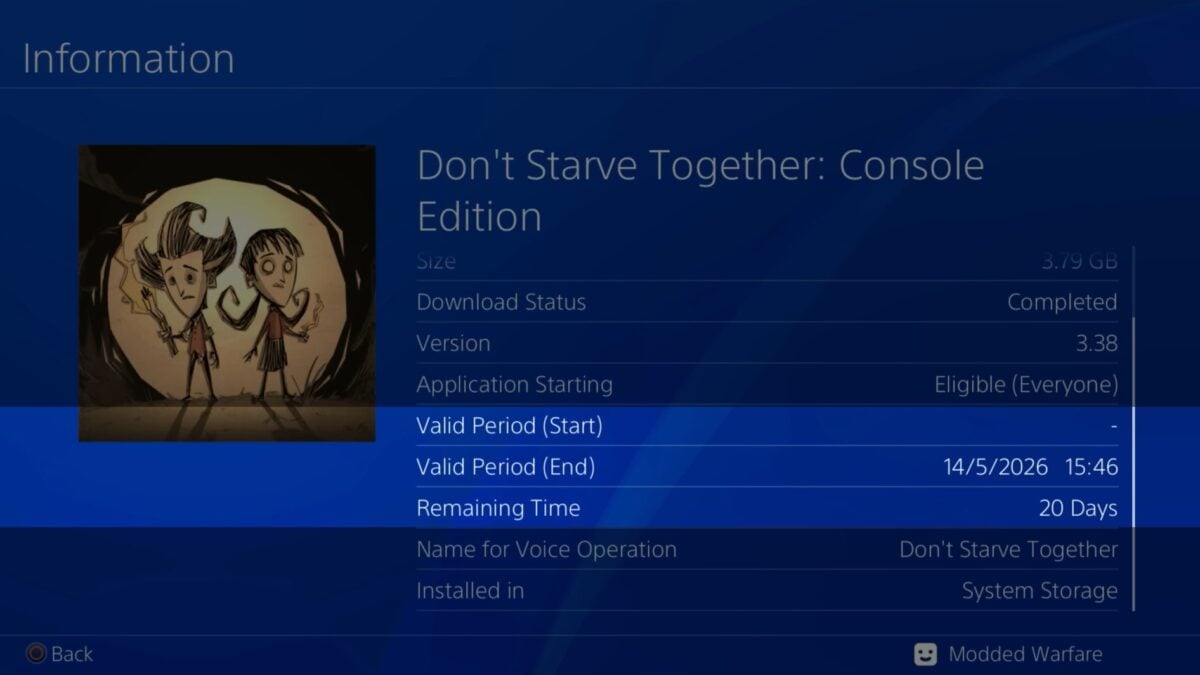
On Saturday, April 25, 2026, Kotaku reported that an unspecified number of PlayStation users are claiming a new DRM system for digital PlayStation purchases is locking them out of games after 30 days of not connecting to the internet. The reports, which have spread across social media and gaming forums, suggest that Sony may have silently implemented a mandatory online check-in requirement for all digital titles, including single-player games that previously required no internet connection to play.
Key Facts
- The reported DRM system allegedly locks users out of digital PlayStation games after 30 days without an internet connection, according to multiple player claims cited by Kotaku.
- The issue appears to affect both PlayStation 5 and PlayStation 4 digital purchases, though Sony has not yet issued an official statement as of the April 25 report date.
- Affected users report receiving an "online verification required" error message when attempting to launch previously playable offline titles, including single-player games like God of War Ragnarök and The Last of Us Part I.
- The reported 30-day check-in period mirrors the DRM policy used by Microsoft's Xbox One at its 2013 launch, which was reversed after massive consumer backlash.
- Sony's PlayStation Network currently has over 118 million monthly active users (as of 2025 fiscal reports), making any DRM change potentially impactful on a massive scale.
- The claims surfaced on April 24–25, 2026, just days before Sony's scheduled Q1 2026 earnings call on May 1, where the company may face investor questions.
- Third-party digital storefronts, including Humble Bundle and Green Man Gaming, have not yet commented on whether their PlayStation game keys are affected by the alleged DRM change.
Breaking It Down
The core of this controversy lies in the fundamental shift it represents for digital game ownership on PlayStation. For over a decade, Sony has marketed the PlayStation platform as a consumer-friendly alternative to Microsoft's more restrictive DRM proposals. The Xbox One's infamous 2013 policy required a 24-hour online check-in, and the backlash was so severe that Microsoft reversed the policy within weeks. A 30-day check-in, while less frequent, still represents a hard line in the sand for offline play.
If Sony has indeed implemented a mandatory 30-day online check-in for all digital purchases, it would affect an estimated 300+ million digital game transactions processed through the PlayStation Store since the PS4's launch in 2013.
The timing is particularly sensitive. Sony has been aggressively pushing its PlayStation Portal remote player and PS Plus subscription tiers, both of which require persistent internet connectivity. A DRM change could be interpreted as a strategic move to force users into always-online ecosystems, even for games they have purchased outright. The distinction between ownership and licensing has been a legal gray area for years, but a mandatory check-in requirement makes that distinction painfully concrete for consumers.
The technical implementation is also worrisome. If the DRM check is server-side and tied to PlayStation Network authentication, a PSN outage—which occur multiple times per year—could lock users out of their purchased games even if they have been online recently. In 2025 alone, PSN experienced at least three major outages lasting over six hours each. A DRM system that relies on Sony's servers creates a single point of failure for the entire digital library.
The reaction from the gaming community has been swift and negative. Forums on Reddit's r/PS5 and ResetEra are flooded with threads from users testing the claim, with some reporting they can still play offline and others confirming lockouts. The inconsistency suggests the DRM may be phased in regionally or applied only to specific account types—perhaps tied to PS Plus subscriptions or certain game licenses. This ambiguity makes it impossible to know the true scope until Sony clarifies.
What Comes Next
The next 72 hours will be critical for Sony's response. Here are the concrete developments to watch:
-
Sony's Official Statement: Expect a press release or social media post from PlayStation within 48–72 hours. If the company remains silent past Monday, April 27, the backlash will intensify significantly, potentially drawing regulatory scrutiny from consumer protection agencies in the EU and UK.
-
Earnings Call Impact: Sony's Q1 2026 earnings call on May 1 will now include mandatory questions about digital ownership policies. Analysts from Mizuho Securities and Morgan Stanley have already flagged the issue in pre-call notes. Any admission of a DRM change will likely impact Sony's stock price.
-
Class Action Litigation Watch: Legal firms specializing in consumer rights, including Hagens Berman and Quinn Emanuel, are monitoring the situation. If Sony confirms the DRM system, expect a class action lawsuit within two weeks, citing violations of digital consumer rights laws in California and the EU's Digital Content Directive.
-
Competitor Response: Microsoft and Nintendo will be watching closely. A Xbox Game Pass marketing push emphasizing "no DRM check-ins for owned games" is highly likely within days. Nintendo may also issue a statement reaffirming the Switch's offline capabilities for digital purchases.
The Bigger Picture
This story sits at the intersection of three major technology trends. The first is Digital Ownership Erosion, where companies increasingly treat purchased software as revocable licenses. Steam, Epic Games Store, and console platforms all reserve the right to revoke licenses, but a mandatory check-in makes that power visible and immediate. The second trend is Always-Online Infrastructure, where game platforms are designed assuming constant internet connectivity, even for fundamentally offline experiences. Sony's PS5 Pro and PlayStation Portal both lean into this assumption, making offline play an afterthought rather than a feature.
The third and perhaps most significant trend is Consumer Pushback Velocity. The speed at which backlash now travels—from forum posts to major media coverage to regulatory attention—has compressed from weeks to hours. Microsoft learned this in 2013; Sony may be learning it now in 2026. The question is whether the company will repeat Microsoft's reversal or double down on a vision of gaming that requires constant connection.
Key Takeaways
- [DRM Policy Change]: Sony is reportedly requiring a 30-day online check-in for digital PlayStation games, affecting both PS5 and PS4 titles, with user reports of lockouts beginning April 24–25, 2026.
- [Ownership vs. License]: This policy, if confirmed, transforms digital game purchases into conditional licenses that expire without internet access, fundamentally altering the value proposition of digital games.
- [Regulatory Risk]: The EU's Digital Content Directive and California consumer protection laws may provide legal grounds for challenge, with class action firms already monitoring the situation ahead of Sony's May 1 earnings call.
- [Industry Precedent]: The 2013 Xbox One DRM reversal shows that consumer backlash can force policy changes, but Sony's silence 48 hours after the story broke suggests the company may test public tolerance before deciding on a response.