TL;DR
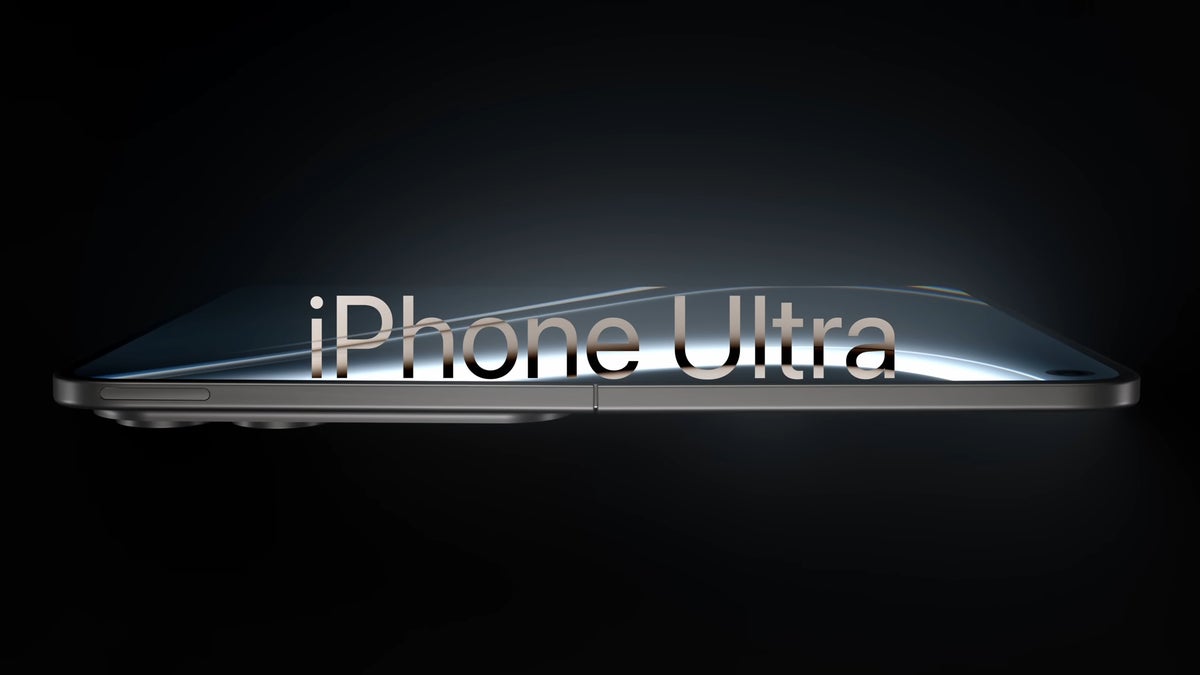
A newly leaked schematic of Apple's upcoming iPhone Ultra reveals a dramatically thinner 6.9mm chassis, contradicting earlier reports that had pegged the device at 7.4mm. This leak, published by PhoneArena on April 25, 2026, shifts expectations for Apple's premium tier just months ahead of a likely September launch.
What Happened
PhoneArena published leaked engineering schematics on Saturday, April 25, 2026, showing that Apple's forthcoming iPhone Ultra is significantly sleeker than prior leaks had indicated. The new drawings depict a device measuring just 6.9mm thick — a full 0.5mm slimmer than the 7.4mm figure that had been widely cited by analysts and supply chain sources since February.
Key Facts
- The leaked schematics, obtained by PhoneArena from an unnamed supply chain source, show the iPhone Ultra's thickness at 6.9mm, down from the previously reported 7.4mm.
- The display size is confirmed at 6.9 inches, consistent with earlier leaks from display analyst Ross Young at DSCC.
- The device retains a titanium frame but with a revised internal layout that allows for a 2,500mAh battery — a 12% reduction from the 2,850mAh battery initially expected.
- The camera bump protrudes by 2.1mm, bringing the total thickness at the lens to 9.0mm, according to the schematic annotations.
- The schematics were dated March 15, 2026, suggesting Apple finalized this design roughly six weeks ago.
- Apple's supply chain in Shenzhen, China, is reportedly ramping up production of the new chassis, with Foxconn and Luxshare Precision assigned initial assembly quotas.
- The leak contradicts a March 2026 report from The Information that claimed the Ultra would be thicker to accommodate a larger cooling system for the A19 Pro chip.
Breaking It Down
The most striking revelation from these schematics is not the absolute thinness — 6.9mm is impressive but not unprecedented — but rather the engineering trade-offs Apple has accepted to achieve it. The 2,500mAh battery is a significant downgrade from the 2,850mAh figure that supply chain analysts at TrendForce had projected in January. For context, the current iPhone 16 Pro Max packs a 4,685mAh battery in a 8.25mm chassis. Apple is essentially prioritizing thinness over endurance in its flagship Ultra tier, a gamble that could alienate power users who expect all-day battery life from a $1,500+ device.
The 2,500mAh battery in a 6.9mm chassis represents a 47% reduction in capacity compared to the iPhone 16 Pro Max, forcing Apple to rely entirely on the A19 Pro's 3nm+ efficiency gains to maintain acceptable runtime.
This trade-off becomes more understandable when examining the internal layout. The schematics show a stacked logic board design, with the A19 Pro chip and Qualcomm Snapdragon X80 5G modem placed directly above one another to save horizontal space. This is the same technique Apple used in the Apple Watch Ultra 2 to fit the S9 SiP into a 14.4mm case. However, thermal management becomes critical: a stacked board in a 6.9mm chassis leaves minimal room for vapor chamber cooling. The leaked schematics show a single graphene heat spreader, not the dual-chamber vapor system that The Information reported in March.
The camera bump also demands attention. At 2.1mm, the protrusion is deeper than the 1.8mm bump on the iPhone 16 Pro Max. The schematics indicate a periscope lens with 10x optical zoom — up from 5x on current models — housed in a larger square island. This suggests Apple has increased the sensor size or added a fourth lens element, likely a LiDAR scanner upgrade. The total 9.0mm thickness at the lens makes the device less pocketable than the schematics' side profile alone suggests.
What Comes Next
The April 25 leak is almost certainly not the final word. Apple has a history of running multiple prototype designs simultaneously, and the March 15 date on these schematics means they could already be obsolete. The company's final design freeze for the iPhone Ultra is expected in late May, according to supply chain checks by Morgan Stanley analyst Erik Woodring.
- Final Design Freeze (Late May 2026): Apple's engineering team in Cupertino will sign off on the production design. If these schematics are accurate, the 6.9mm chassis will be locked in. Any last-minute changes would require a new tooling cycle, pushing the launch to October.
- Display Panel Production (June 2026): Samsung Display and LG Display are scheduled to begin mass production of the 6.9-inch LTPO OLED panels. Yield rates at this size and thinness will be a key indicator of final pricing.
- Battery Testing (July 2026): Apple's battery supplier, Amperex Technology Limited (ATL), will deliver final samples of the 2,500mAh cell. Independent testing by regulatory bodies in China and South Korea will reveal actual runtime figures under load.
- September Launch Event (Likely Second Week): Apple traditionally holds its iPhone event on a Tuesday in the second week of September. The iPhone Ultra, alongside the iPhone 17 and iPhone 17 Pro, will be the headline products.
The Bigger Picture
This leak is the latest evidence of Apple's thickness war against Android rivals like Samsung and Xiaomi, who have been aggressively slimming flagship devices. The Galaxy S26 Ultra is rumored at 7.2mm, and Xiaomi's 15 Ultra already ships at 7.0mm. Apple's 6.9mm target positions the iPhone Ultra as the thinnest high-end smartphone from a major OEM, but it comes at the cost of battery capacity — a trade-off that Samsung has so far avoided by using silicon-carbon battery chemistry for higher energy density.
The broader trend is component consolidation. Apple's stacked logic board, smaller battery, and reliance on a single heat spreader reflect a company betting that its custom silicon (the A19 Pro) and software optimization can compensate for hardware compromises. This strategy mirrors the approach Apple took with the M-series MacBooks, where efficiency gains from Apple Silicon allowed thinner designs. However, smartphones face stricter thermal and battery constraints than laptops, making this bet riskier. If the A19 Pro's efficiency falls short, the iPhone Ultra could suffer the same battery life complaints that plagued the iPhone 12 mini — a device that was discontinued after one generation.
Key Takeaways
- Thinner Than Expected: The iPhone Ultra's 6.9mm chassis is 0.5mm slimmer than prior leaks, but the 2,500mAh battery is a 12% reduction from earlier projections.
- Camera Bump Trade-Off: The 2.1mm protrusion for a 10x periscope lens means total thickness at the camera is 9.0mm, undermining the slim profile for photography-focused users.
- Thermal Risk: A single graphene heat spreader in a stacked board design may throttle the A19 Pro under sustained load, especially in gaming or video editing.
- September Launch in Play: The March 15 schematic date suggests Apple is on track for a September 2026 reveal, but final design freeze in May could still alter specs.