TL;DR
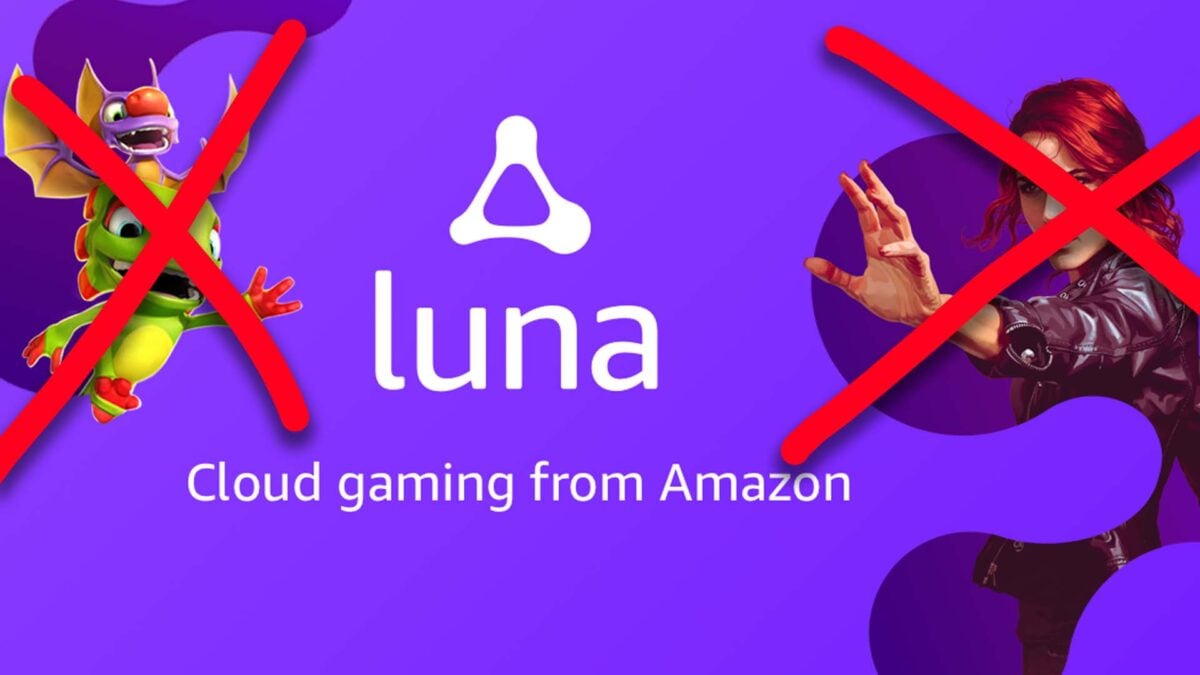
Amazon has announced it will remove all purchased games from its Luna cloud gaming service on June 10, 2026, and will not issue refunds for these purchases. This move fundamentally alters the value proposition of cloud gaming by demonstrating that purchased content can be revoked without recourse, setting a dangerous precedent for digital ownership.
What Happened
On April 10, 2026, Amazon delivered a seismic shock to its cloud gaming customers: the entire library of games users bought and paid for on the Luna service will be permanently deactivated in just two months. The company confirmed it will not provide refunds, credits, or any form of compensation for these now-ephemeral purchases, effectively transforming customer libraries into digital dust.
Key Facts
- Announcement Date: The policy was communicated to users on Friday, April 10, 2026.
- Service Change: Amazon is removing the ability to purchase games individually, shifting Luna exclusively to a channel-based subscription model.
- Access Deadline: Purchased games will only be accessible until June 10, 2026—a 61-day warning period.
- Refund Policy: Amazon has stated it will not issue refunds for any purchased games, regardless of when they were bought.
- Platform History: Luna launched in 2020 as a competitor to Google Stadia, NVIDIA GeForce Now, and Xbox Cloud Gaming, offering both subscriptions and à la carte purchases.
- Corporate Entity: The decision was made by Amazon, one of the world's largest technology and retail companies.
- User Base Impact: The move affects an undisclosed number of customers who invested in Luna's now-defunct purchase ecosystem.
Breaking It Down
Amazon's decision is not merely a service pivot; it is a stark repudiation of the concept of ownership in the digital marketplace. By revoking access without compensation, Amazon is leveraging the fine print in its End User License Agreement (EULA) that users tacitly accept—a clause that typically states access is granted as a "service" that can be terminated. This legalistic maneuver exposes the core vulnerability of cloud-native gaming: you own nothing. The platform holder controls the master switch, and when it's flipped, your investment vanishes.
The most striking implication is the complete absence of a refund pathway for purchased content, a move that distinguishes this shutdown from most prior industry precedents.
This refusal to refund sets a new and concerning low for major platform holders. When Google shuttered its competing Stadia service in 2023, it undertook a massive good-faith effort, refunding every single game and hardware purchase made through the Google and Stadia stores. Amazon’s approach is the antithesis of this customer-centric wind-down. It suggests a calculation that the financial cost of refunds and the reputational damage from angering a likely niche user base are less consequential than simply absorbing the blow. The message to consumers is unambiguous: money spent on Luna purchases was not for a product, but for a temporary, revocable license with an expiration date set solely at Amazon's discretion.
Strategically, this move consolidates Luna purely as an extension of the Amazon Prime and Amazon Channels ecosystem. The service will now function more like a video streaming platform, where users pay for access to rotating libraries (channels like Ubisoft+, Jackbox Games, or a Luna+ catalog) rather than building a permanent collection. This simplifies Amazon's licensing and royalty dealings with publishers, as it moves to pure subscription revenue sharing. However, it also cedes ground to competitors like NVIDIA GeForce Now, which has built its identity on allowing users to play games they own on platforms like Steam and the Epic Games Store in the cloud, creating a more resilient link to traditional ownership models.
The timing and communication of this decision reflect a cold, corporate efficiency. A 61-day notice period is legally sufficient but consumer-hostile, especially for games with long completion times or ongoing live-service elements. By announcing on a Friday, a classic tactic for burying negative news, Amazon bet on the story losing momentum over the weekend. The lack of a pro-rated refund or credit toward Prime or future Luna subscriptions indicates this is a clean-break strategy, aimed at erasing the financial liability and operational complexity of the old purchase system as swiftly as possible.
What Comes Next
The immediate aftermath will be defined by user reaction and potential legal scrutiny, while the long-term focus shifts to Luna's repositioning in a crowded market.
- Customer Backlash and Potential Legal Action (April-June 2026): Affected users are likely to bombard Amazon support, file complaints with the Better Business Bureau, and explore class-action lawsuit avenues. The core argument will hinge on whether the removal of purchased access without compensation constitutes an unfair or deceptive practice, particularly in jurisdictions with stronger consumer protection laws like the European Union.
- The June 10, 2026 Shutdown: On this date, all purchased game licenses on Luna will be invalidated. Amazon's technical teams will deactivate the entitlement checks for these titles. The user interface will be updated to reflect the new, subscription-only reality.
- Luna's Subscription-First Relaunch: Following the purge, Amazon will aggressively market Luna's channel subscriptions. Expect bundled promotions with Amazon Prime and heavy advertising for specific game channels during key shopping events like Prime Day in July 2026.
- Industry Competitive Response: Competitors, particularly Microsoft with Xbox Cloud Gaming (included in Game Pass Ultimate) and NVIDIA with GeForce Now, will likely seize on this event in their marketing. They will emphasize their models' relative stability and, in NVIDIA's case, its foundation in user-owned game libraries.
The Bigger Picture
This incident is a critical data point in two accelerating and concerning trends in technology. First, it exemplifies the Erosion of Digital Ownership. For years, consumers have accepted that buying a digital movie, song, or game does not confer the same rights as buying a physical copy. Amazon Luna has now drawn the logical, extreme conclusion of that principle: the vendor can unilaterally terminate the "license" with no obligation to make the buyer whole. This reinforces the growing advocacy for Web3 and digital asset ownership models, where blockchain-based verification could, in theory, create truly user-owned digital goods, though that sector remains fraught with its own problems.
Second, it highlights the Fragility of Cloud-Dependent Ecosystems. Luna is a pure cloud service; the games never existed on a user's local hardware. This grants incredible convenience but creates a single point of failure. When the service changes or ends, everything tied to it can disappear. This contrasts with hybrid models or services like GeForce Now that act as a cloud portal to libraries stored on other, more permanent platforms. As entertainment and software increasingly migrate to subscription and streaming models, the Luna case serves as a cautionary tale about total dependency on a corporate-controlled pipeline.
Key Takeaways
- Ownership is an Illusion: Amazon Luna has proven that "buying" a game on a cloud platform can mean paying for a long-term rental with a surprise eviction notice. Your digital library is only as permanent as the corporation's strategy.
- The Stadia Precedent Ignored: Google set a high bar for responsible platform shutdowns by refunding all purchases. Amazon's conscious decision not to follow this precedent establishes a new, lower standard for customer treatment that other companies may now reference.
- Subscription is the Only Game: Luna's future is entirely tied to the channel subscription model. This move is a violent pruning to force that business model, eliminating any consumer choice that doesn't align with recurring revenue.
- Read the Fine Print: This event is the ultimate reminder that End User License Agreements (EULAs) and Terms of Service are not mere formalities. They are the legal frameworks that allow a company to legally dismantle a product you've invested in, with no recourse.


