TL;DR
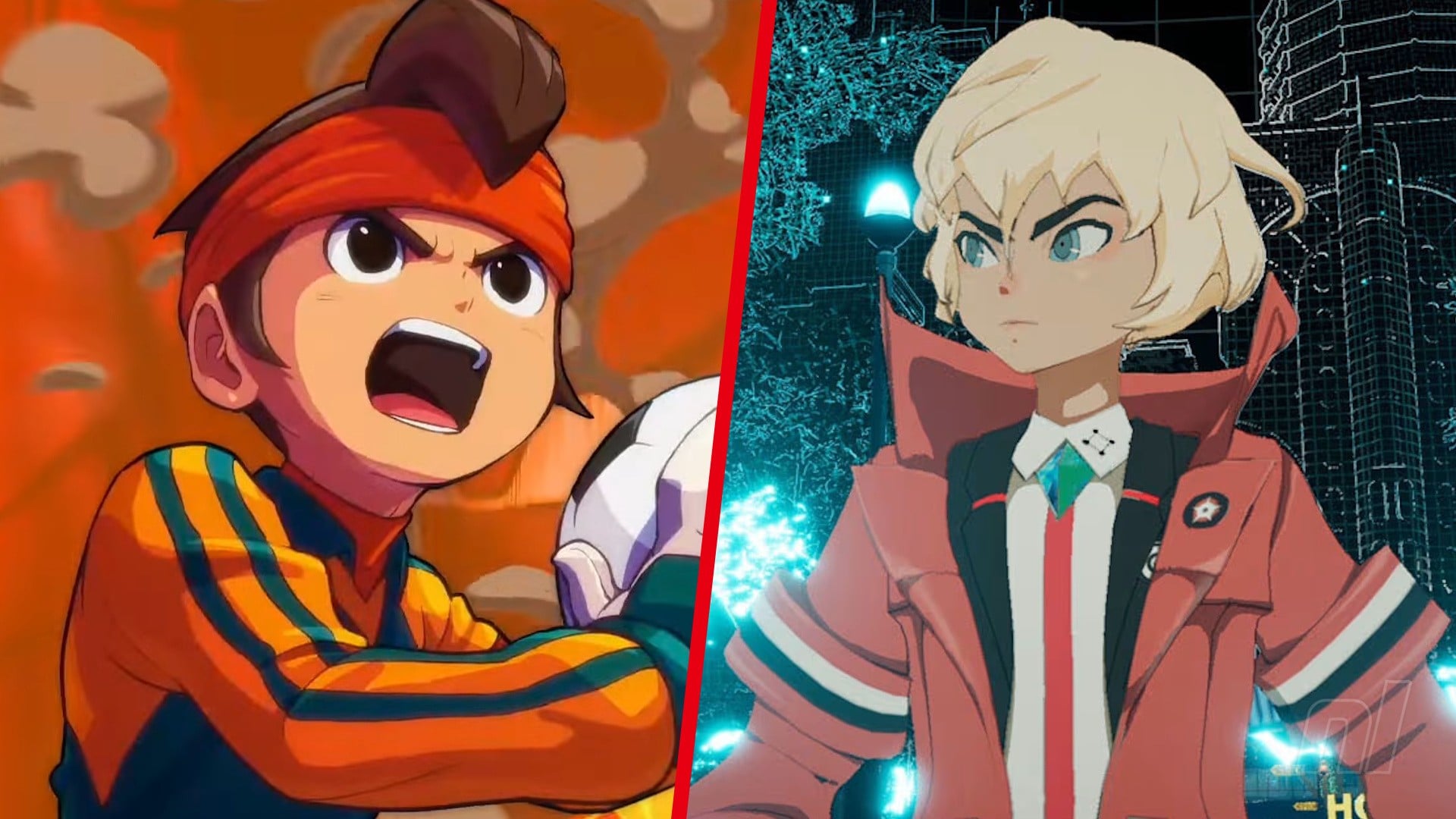
Level-5's major upcoming titles, including the highly anticipated Fantasy Life i: The Girl Who Steals Time and Decapolice, currently lack confirmed 2026 release dates, creating uncertainty for fans and the company's comeback strategy. This matters now because Level-5's planned revival hinges on these games, and the potential shift of Decapolice to the Nintendo Switch 2 could signal a major strategic pivot in development focus.
What Happened
The roadmap for Level-5's long-awaited game lineup remains frustratingly unclear as the studio approaches a critical mid-decade window. While the Japanese developer has been actively promoting titles like Fantasy Life i: The Girl Who Steals Time and Decapolice, concrete release schedules for 2026 have yet to be locked in, raising questions about development timelines and potential platform shifts to next-generation hardware.
Key Facts
- Level-5, the developer behind the Professor Layton and Yo-kai Watch series, is in the midst of a multi-title revival plan announced in 2022.
- The company’s 2026 release calendar for key titles like Fantasy Life i: The Girl Who Steals Time and Decapolice is not yet finalized, according to recent reports.
- Decapolice, a detective-themed RPG first announced for PlayStation 4, PlayStation 5, and Nintendo Switch, is now being considered for release on the Nintendo Switch 2.
- This potential platform shift follows the March 2025 release of Professor Layton and The New World of Steam, which served as Level-5's first major global launch in years.
- The company’s last major financial report indicated a significant increase in R&D spending, up 34% year-on-year, to support simultaneous development on its "2023-2024" game slate, which has since spilled into 2025-2026.
- Level-5 President and CEO Akihiro Hino has publicly stated the company's goal is to return to consistent profitability by leveraging its key IPs across games, manga, and anime.
- The original Fantasy Life sold over 1.4 million copies worldwide on the Nintendo 3DS, creating high expectations for its long-delayed sequel.
Breaking It Down
The lack of firm 2026 dates for Level-5's flagship projects points to a deeper strategic recalibration. After several years of relative quiet following the decline of the Yo-kai Watch phenomenon, Level-5’s ambitious multi-game comeback was always a high-risk, high-reward endeavor. The delay of titles like Fantasy Life i from its initial 2023 target into an unspecified 2025-2026 window suggests the studio may have underestimated the development resources required for modern HD game development across multiple platforms simultaneously. This is compounded by the company's historical strength in handheld gaming, a market that has evolved dramatically since its heyday on the Nintendo DS and 3DS.
A 34% year-on-year increase in R&D spending highlights the immense financial pressure of Level-5's multi-title revival strategy.
This surge in development cost is the most telling figure in Level-5's current predicament. It underscores a fundamental shift: the studio can no longer rely on the relatively lower-budget, stylized productions that defined its past successes. Modern platforms demand higher-fidelity assets, more complex systems, and larger teams. This R&D spike is likely a direct cause of the scheduling uncertainty, as budgets and timelines are continuously reassessed. The financial strain of developing for PlayStation 5 and a potential Nintendo Switch 2 concurrently, while also supporting the existing Switch, is a formidable challenge for a company of Level-5's size.
The specific case of Decapolice is particularly illustrative. Its potential move to the Nintendo Switch 2 is a pragmatic, if not inevitable, business decision. Announced before the successor console was officially confirmed, developing for a platform at the end of its lifecycle carries diminished commercial potential. Redirecting development to the Switch 2 ensures the game launches with a larger, more engaged install base and can leverage more advanced hardware. This move also aligns Level-5 with its most historically successful platform partner, Nintendo, suggesting a strategic retreat to safer ground after attempting a broader multi-platform approach.
Ultimately, Level-5's current ambiguity reflects the harsh realities of the mid-tier Japanese developer landscape. The studio is caught between its beloved legacy and the exigencies of modern game production. Akihiro Hino’s vision of a transmedia empire hinges on successful game launches to drive manga and anime adaptations. Each delay or platform shift doesn't just disappoint fans; it disrupts an entire cross-media business plan and postpones the path back to consistent profitability the company desperately needs.
What Comes Next
The immediate future for Level-5 is defined by a series of high-stakes decisions and announcements that will determine the success of its comeback bid.
- The official Nintendo Switch 2 announcement and launch details. Level-5’s planning for Decapolice and other titles is undoubtedly in a holding pattern until Nintendo formally reveals the console's specifications, launch date, and price. A confirmed Switch 2 release window will force Level-5 to publicly commit to platform plans.
- A definitive 2026 release schedule announcement. By the end of 2025, Level-5 must provide clear dates for Fantasy Life i: The Girl Who Steals Time and Decapolice. Further vagueness will erode consumer and investor confidence. This will likely coincide with a major presentation, similar to its "Level-5 Vision" events.
- The commercial performance of Professor Layton and The New World of Steam. As the vanguard of the revival, its sales figures throughout 2025 will be a critical bellwether. Strong performance could buy the studio goodwill and resources; underperformance could lead to further strategic contraction and pressure on subsequent titles.
- Potential portfolio prioritization. If resource strain continues, Level-5 may be forced to further delay or scale back one of its announced projects to ensure the quality and timely release of another. The fate of other announced titles like Megaton Musashi: Wired’s ongoing support will also signal the company's capacity.
The Bigger Picture
Level-5's situation is a microcosm of two powerful trends reshaping the game industry. First, the escalating cost and complexity of HD development is squeezing mid-sized studios. Companies that thrived in earlier hardware generations now face immense pressure to "level up" their production values to compete, often without the financial safety net of a major publisher or live-service revenue. Level-5's R&D spike is a direct symptom of this trend, forcing painful trade-offs between scope, quality, and timing.
Second, this highlights the strategic necessity of aligning with platform transitions. The probable move of Decapolice to the Switch 2 is not an isolated event. The early years of a new console generation create a crucial window where software can define a platform's identity and achieve breakout success. For a developer like Level-5, securing a strong position within the Nintendo Switch 2's first-party and second-party ecosystem could be more valuable than a scattered multi-platform approach. This mirrors a broader industry pattern where developers are increasingly making exclusive or timed-exclusive bets on new hardware to secure marketing support, technical assistance, and a dedicated audience.
Key Takeaways
- Release Schedule Uncertainty: Level-5's key 2026 titles, including Fantasy Life i and Decapolice, lack confirmed dates, casting doubt on the pacing of the studio's planned revival.
- Strategic Platform Shift: Decapolice is now potentially targeting the Nintendo Switch 2, indicating a pragmatic realignment of development resources toward next-generation hardware and a core partner.
- Financial Development Strain: A reported 34% increase in R&D spending underscores the severe cost pressure Level-5 faces in developing multiple modern HD games, directly contributing to release date ambiguity.
- Cross-Media Dependencies: Each game delay disrupts Level-5's broader business model, which relies on successful game launches to fuel related manga, anime, and merchandise revenue streams.