TL;DR
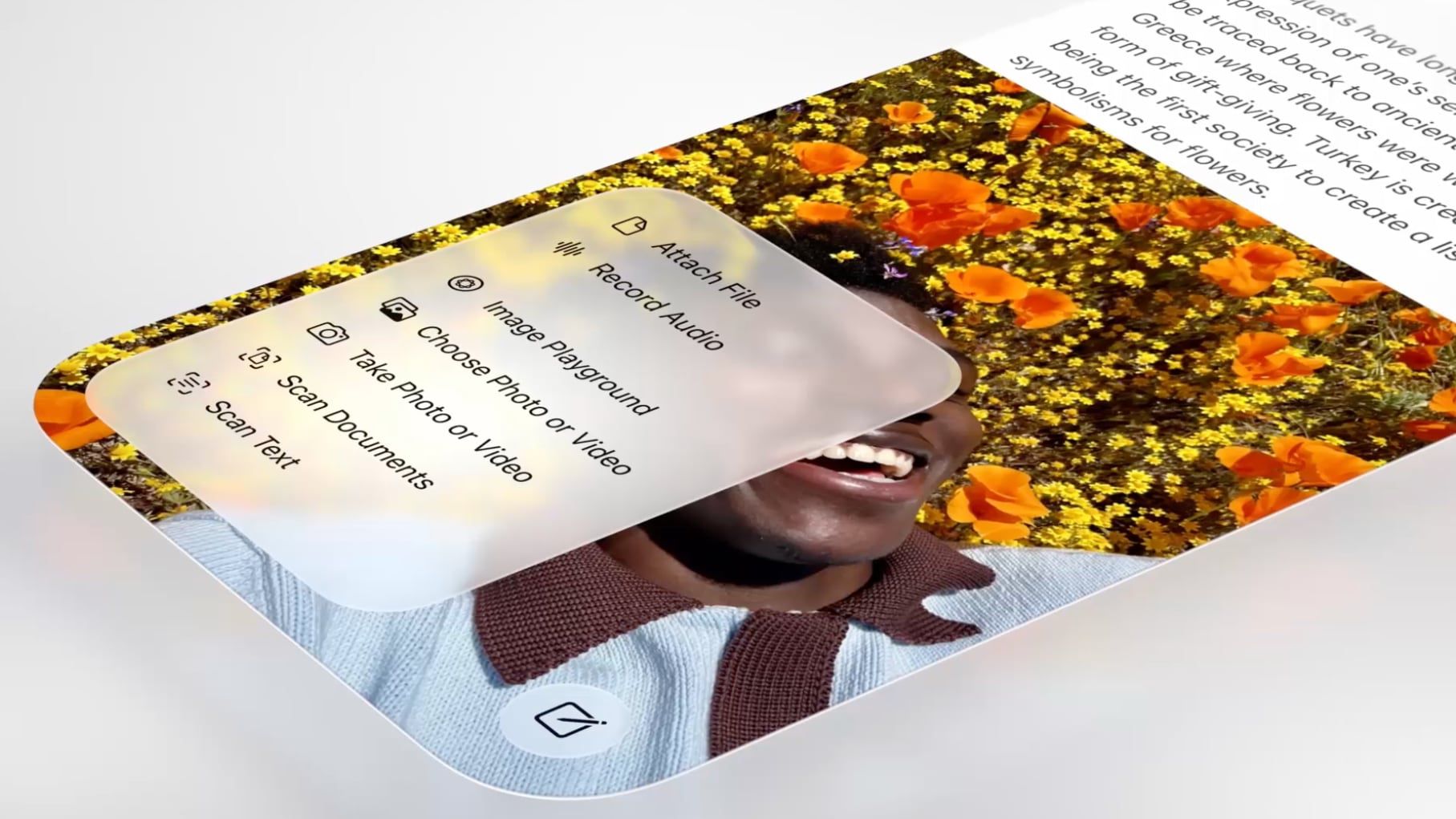
Apple has updated its official design gallery to further showcase the Liquid Glass aesthetic, a system-wide visual overhaul introduced with iOS 26, iPadOS 26, and macOS 26. This sustained promotional push, coming months after the initial software launch, signals Apple's long-term commitment to this design language as a core differentiator and suggests upcoming hardware may be designed to accentuate its effects.
What Happened
On Monday, April 6, 2026, Apple refreshed its online design resource hub with new imagery and examples highlighting the Liquid Glass interface theme. This move represents a continued, deliberate marketing effort to cement the aesthetic—characterized by fluid animations, translucent layers, and dynamic lighting—as the definitive visual identity of its operating systems, months after their initial release to the public.
Key Facts
- Apple updated its official design gallery on April 6, 2026, to feature new visuals of the Liquid Glass aesthetic.
- The Liquid Glass design language debuted as the central visual update across iOS 26, iPadOS 26, and macOS 26, released in the fall of 2025.
- The aesthetic is defined by advanced translucency, depth-of-field blurring, and physics-based animations that mimic the behavior of liquids and glass.
- This is not the first promotional update; Apple has been iteratively highlighting Liquid Glass features since the software's launch.
- The updated gallery serves as a resource for third-party developers to align their app interfaces with Apple's system-wide design vision.
- The promotion coincides with the ongoing macOS 26.2 and iOS 26.4 update cycles, which have included refinements to the Liquid Glass effects.
- Industry analysts view this sustained focus as a precursor to hardware advancements in display technology that would fully realize the aesthetic's potential.
Breaking It Down
Apple’s decision to update its design gallery six months after the launch of its 2025 operating systems is a strategic maneuver that goes beyond simple documentation. It is an active investment in shaping user and developer perception. By consistently featuring Liquid Glass in its premier design resources, Apple is working to normalize and elevate what began as a novel visual change into an enduring platform standard. This methodical promotion ensures the language is not perceived as a one-off annual tweak but as a foundational layer, akin to the introduction of Aqua for Mac OS X or Flat Design with iOS 7, setting the course for several years of interface evolution.
The Liquid Glass update targets the core interactive elements across all three major Apple platforms—iOS, iPadOS, and macOS—making it the first truly unified design overhaul since the shift to flat design over a decade ago.
This cross-platform synchronization is the most analytically significant aspect of the push. Unlike incremental changes that might affect only one OS, Liquid Glass was engineered from the outset as a cohesive language for iPhone, iPad, and Mac. This universality reduces cognitive load for users who switch between devices and creates a massive, unified canvas for developers. For Apple, it streamlines the design process and strengthens ecosystem lock-in; an app that leverages Liquid Glass principles on iPad will inherently feel native on Mac, thanks to Apple Silicon and shared frameworks. The updated gallery underscores this by showcasing examples that are nearly identical across platforms, reinforcing the message of a singular, integrated experience.
The timing and nature of the promotion also serve as a clear signal to the developer community. Apple’s Human Interface Guidelines, exemplified by the gallery, are not suggestions but de facto requirements for achieving a "premium" feel on its platforms. By providing high-fidelity visuals and specifications for Liquid Glass effects like dynamic blurring and viscous motion, Apple is directing the entire third-party app ecosystem. Developers aiming for featuring on the App Store or design awards will now prioritize implementing these specific animations and textures, leading to a more consistent and immersive user experience across millions of apps.
Furthermore, this software-centric campaign inevitably fuels speculation about impending hardware. The Liquid Glass aesthetic, with its emphasis on depth, transparency, and light refraction, theoretically achieves its fullest expression on hardware with superior display technology. The sustained promotional focus strongly implies that future Apple devices, such as anticipated OLED MacBook Pro models or micro-LED iPad Pros, are being designed with these visual properties in mind. Apple is effectively building the software dream today to sell the hardware that perfects it tomorrow.
What Comes Next
The updated design gallery is a midpoint, not an endpoint, for the Liquid Glass initiative. Its continued prominence sets the stage for several concrete developments in Apple's ecosystem over the coming months.
- Developer Adoption at WWDC 2026: The next major phase will be measured at Apple’s Worldwide Developers Conference in June 2026. Watch for session counts dedicated to advanced Liquid Glass implementation and its prominence in the keynote. The depth of new API offerings related to its visual effects will indicate how deeply Apple expects developers to integrate the language.
- Hardware Integration in Fall 2026: The true test of Liquid Glass as a strategic asset will come with the fall 2026 hardware launches. Expect marketing for new iPhone 28 and Mac models to heavily emphasize how their advanced displays—potentially with higher refresh rates, improved brightness, and new coating technologies—make Liquid Glass effects "come alive" in a way older hardware cannot.
- Evolution in macOS 27 & iOS 27: The design language will evolve, not be replaced, in the next major OS versions. The focus will shift from introduction to sophistication. Anticipate more granular user control (e.g., adjustable animation intensity), expansion of the effects to more system apps like Xcode and Final Cut Pro, and performance optimizations to ensure fluidity on a broader range of devices.
- Competitive Response: The industry will react. Google’s Material You on Android and Microsoft’s Fluent Design on Windows will likely introduce their own interpretations of dynamic, physics-based aesthetics. The speed and coherence of their responses will determine if Apple secures a lasting perceptual lead in interface design.
The Bigger Picture
Apple’s Liquid Glass push intersects with two dominant trends in consumer technology. First, it is a direct escalation in the Experience-First Computing arms race. As raw processing power becomes increasingly commoditized, the major differentiators for users are the quality of animations, the intuitiveness of interactions, and the overall "feel" of the software. Apple is betting that a deeply sensory, cohesive interface is as critical a selling point as battery life or camera megapixels.
Second, this effort accelerates the trend of Skeuomorphic Minimalism. Liquid Glass revives the tactile, real-world metaphor of classic skeuomorphism but executes it with the clean, abstract foundation of flat design. Buttons have depth and sheen, but are not literal photographs of physical objects. This represents a synthesis of design philosophies, aiming to provide the intuitive affordances of the past with the digital elegance of the present. Apple’s promotion of this style will influence not just apps, but web design, automotive UIs, and other digital interfaces, pushing the industry toward interfaces that feel both futuristic and instinctively understandable.
Key Takeaways
- Strategic Design Investment: Apple’s ongoing gallery updates confirm Liquid Glass is a long-term platform foundation, not a transient annual update, aimed at defining its ecosystem's look and feel for years.
- Developer Directive: The refreshed resources act as a powerful signal to the global developer community, setting a new benchmark for app design and ensuring widespread adoption of the aesthetic across the software ecosystem.
- Hardware Pre-Sell: The software-first promotion primes the market for future hardware, suggesting upcoming devices will feature display technologies that maximize the visual impact of Liquid Glass effects.
- Cross-Platform Unification: This represents Apple’s most unified visual overhaul ever, deliberately blurring the lines between iPhone, iPad, and Mac interfaces to strengthen ecosystem cohesion and user loyalty.