TL;DR
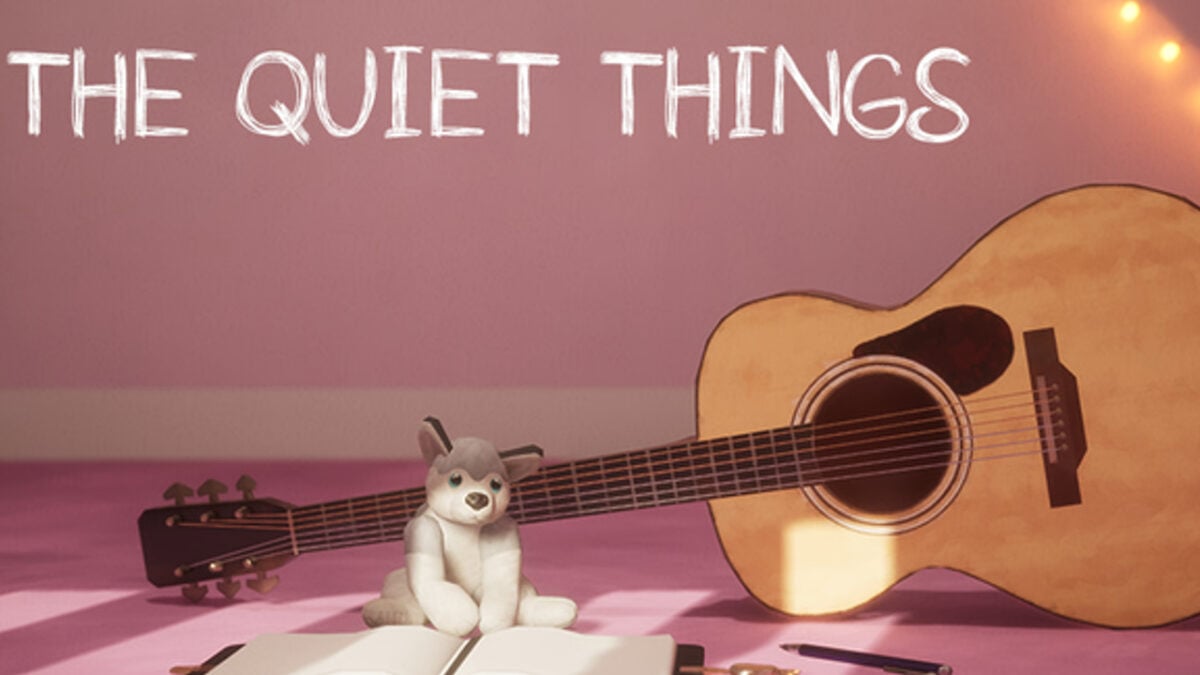
The British Academy of Film and Television Arts (BAFTA) has removed the autobiographical game The Quiet Things from its public showcase, citing its depiction of child abuse. This decision has ignited a fierce debate about artistic freedom, institutional gatekeeping, and the unique capacity of games to explore traumatic, personal narratives.
What Happened
In a move that has sent shockwaves through the gaming and arts communities, BAFTA has pulled the autobiographical narrative game The Quiet Things from its public-facing showcase. The decision, made just days before the showcase was set to open, was based on the game's direct depiction of childhood trauma and abuse, raising immediate questions about censorship and the boundaries of interactive art.
Key Facts
- The removed game is The Quiet Things, an autobiographical narrative game about childhood trauma developed by a solo creator, Elara Vance.
- The action was taken by the British Academy of Film and Television Arts (BAFTA), a prestigious UK arts charity.
- The game was pulled from BAFTA’s public game showcase, a curated event intended to highlight innovative work, not from award consideration itself.
- The official reason given was the game’s depiction of child abuse, which BAFTA stated required "further consideration" in a public exhibition context.
- The decision was communicated to developer Elara Vance on Thursday, April 16, 2026, one day before the public announcement.
- Kotaku first reported the story on Friday, April 17, 2026.
- The Quiet Things utilizes minimalist mechanics and a stark visual style to guide players through fragmented memories of the developer’s own childhood.
Breaking It Down
BAFTA’s decision strikes at the heart of a long-standing tension within cultural institutions: the mandate to champion challenging art versus the perceived duty to protect public sensibilities. By removing The Quiet Things from a public showcase—a space ostensibly designed for artistic promotion—BAFTA has effectively deemed the game’s subject matter too sensitive for its curated public platform. This creates a paradoxical situation where the academy acknowledges the work's artistic merit enough to initially select it, but then relegates it, signaling that some truths are too difficult to be presented without a buffer of private, individual consumption.
The central conflict is not about award eligibility, but about public visibility and institutional endorsement.
This distinction is critical. BAFTA has not disqualified The Quiet Things from its awards; the game reportedly remains in consideration for categories like Debut Game or Game Beyond Entertainment. However, by stripping it from the showcase, BAFTA has withdrawn a significant form of validation and exposure. The showcase acts as a seal of approval and a discovery engine for audiences and press. Removing the game from this space suggests BAFTA is comfortable evaluating the work behind closed doors but uneasy about actively presenting it as an example of the medium's cutting edge. This creates a two-tier system of recognition: art that is award-worthy in private may be considered too risky for public promotion.
The incident also forces a confrontation with the unique power of the video game medium. Elara Vance’s work is explicitly autobiographical, placing it within a growing genre of "documentary games" or personal essay games. Unlike a passive film or book, a game can create a more embodied, procedural understanding of trauma through its interactivity. The act of navigating a fragile memory space, of interacting with triggers, or of piecing together a narrative from disjointed scenes can evoke empathy in a profoundly different way. BAFTA’s discomfort may stem not just from the subject of child abuse, but from the form—the interactive, first-person intimacy that games can force, making the experience more direct and potentially more unsettling than traditional media.
Furthermore, this action places BAFTA in a precarious position regarding its role. As an academy that has worked to elevate games to the status of film and television, it now faces accusations of applying inconsistent standards. Films depicting similar themes routinely receive BAFTA nominations and are featured prominently in its events. The decision risks framing games as a lesser, more volatile art form requiring paternalistic oversight, undermining the very artistic legitimacy BAFTA seeks to confer.
What Comes Next
The immediate fallout from this decision will unfold on multiple fronts, testing BAFTA's resolve and the industry's stance on creative boundaries.
- Industry and Creator Response: Watch for formal statements from industry bodies like UKIE or the International Game Developers Association (IGDA), as well as from high-profile developers. A coordinated protest or an open letter criticizing BAFTA's gatekeeping could materialize quickly, putting public pressure on the academy.
- BAFTA's Internal Review: BAFTA will likely be forced to clarify or defend its decision-making process. Key developments to monitor are whether the academy releases more detailed guidelines on content for its showcases and if it engages in direct dialogue with Elara Vance or advocacy groups for survivor stories.
- The Fate of The Quiet Things: The game will now receive a different, arguably more intense, spotlight. Its release date (if not already public) and subsequent critical reception will be heavily scrutinized. It may find a platform and audience through alternative showcases, festivals like GDC or IndieCade, or via direct support from digital storefronts.
- Precedent for Future Submissions: The long-term consequence will be a chilling effect or a clarifying one. Will developers of intensely personal, challenging work now self-censor before submitting to BAFTA? Or will this incident force BAFTA to establish clearer, more consistent public content policies, potentially making it a more transparent, if not less conservative, institution?
The Bigger Picture
This controversy is not an isolated incident but a symptom of broader shifts in the technology and media landscape. Firstly, it is directly tied to the rise of Autobiographical and "Serious Game" Design. Platforms like Steam and Itch.io have democratized distribution, enabling a wave of personal, therapeutic, and socially conscious games that tackle subjects like mental health, grief, and systemic injustice. Institutions built on evaluating traditional, commercial game design are now struggling to categorize and present these intimate, often confrontational works.
Secondly, it intersects with ongoing debates about Content Moderation and Platform Responsibility. While BAFTA is a curator, not a social platform, its decision mirrors the dilemmas faced by YouTube, Twitch, and app stores: what content is permissible for public distribution? The lines between artistic expression, harmful material, and triggering content are constantly being redrawn, with institutions erring on the side of caution to avoid public backlash. BAFTA’s move reflects a preemptive form of content moderation, applying a institutional risk calculus to an artistic work.
Finally, it highlights the growing pains of Cultural Legitimization for Games. As games seek recognition alongside established arts, they inherit not only the prestige but also the bureaucratic conservatism of old-guard institutions. The fight for legitimacy is now entering a new phase: not just proving games can be art, but demanding they be granted the same freedom to explore difficult, adult themes as other art forms without being ghettoized.
Key Takeaways
- Institutional Gatekeeping: BAFTA's removal of the game highlights how cultural institutions can act as de facto censors, controlling which challenging artworks receive public promotion and endorsement.
- Medium-Specific Empathy: The controversy underscores the unique, often uncomfortable power of games to simulate personal experience, forcing a reckoning with whether interactive trauma narratives require different handling than linear ones.
- The Autobiographical Wave: This event is a direct collision between the growing movement of deeply personal game development and the traditional, often conservative, frameworks of major arts institutions.
- Legitimacy vs. Liberty: The incident exposes a core tension in games' quest for artistic recognition: gaining cultural legitimacy may sometimes come at the cost of accepting the restrictive norms of the legitimizing institutions.


