TL;DR
Several delisted Xbox and Xbox 360 games have unexpectedly reappeared on the Xbox Store, sparking widespread speculation that Microsoft is preparing to revive its acclaimed Backwards Compatibility Program. This move, if confirmed, would represent a major strategic shift for the company, directly impacting game preservation and the value proposition of its ecosystem at a critical moment in the console lifecycle.
What Happened
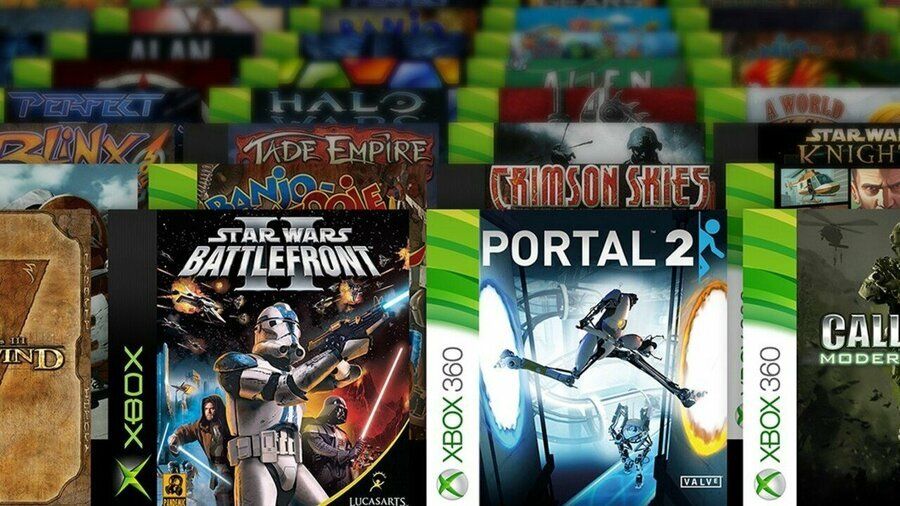
In a move that has electrified the gaming community, multiple video games previously removed from digital storefronts have suddenly reappeared on the Xbox Store. Titles from the original Xbox and Xbox 360 eras, long absent from purchase, are now visible with functional store pages, leading to immediate and intense speculation that Microsoft is gearing up to announce the return of its beloved Backwards Compatibility initiative.
Key Facts
- The discovery was first reported by Windows Central on Monday, April 6, 2026, noting the reappearance of several specific delisted titles.
- The games in question are from the original Xbox (2001) and Xbox 360 (2005) generations, platforms whose digital storefronts have been largely static for years.
- Microsoft’s official Backwards Compatibility Program was paused in late 2021, after adding over 600 titles across both legacy generations to the Xbox Series X|S and Xbox One libraries.
- The reappearances are not yet functional for purchase or play; the store pages lack pricing and download buttons, indicating a preparatory backend update.
- This activity follows years of fan requests and persistent rumors of the program’s return, fueled by Microsoft’s consistent public messaging on the importance of game preservation.
- The event coincides with the approaching 25th anniversary of the original Xbox’s launch in November 2026, a potential milestone for a major announcement.
- Industry analysts note that Sony’s PlayStation Plus Premium tier has recently expanded its classic games catalog, increasing competitive pressure in the retro gaming space.
Breaking It Down
The sudden reappearance of these digital store pages is almost certainly not a glitch, but a deliberate and calculated action by Microsoft’s Xbox platform team. Updating the sprawling Xbox Store database to resurrect listings for games that have been delisted—often for complex licensing reasons involving music, publishing rights, or defunct studios—requires significant coordinated effort. This points to a pre-launch phase where these titles are being staged, likely undergoing final technical and legal checks before being reactivated for sale and play on modern hardware. The move signals that Microsoft is preparing to flip a switch, transforming these historical artifacts back into viable commercial products.
Reviving the Backwards Compatibility Program would instantly add hundreds of potential new "releases" to the Game Pass catalog without the development cost of new games.
This is the core strategic calculus. For Microsoft, which has staked its future on the Xbox Game Pass subscription service, a vault of previously inaccessible classic games represents a high-value, low-cost content infusion. Adding a wave of beloved, nostalgia-driven titles to Game Pass would boost the service's perceived value and stickiness, providing a compelling reason for subscribers to stay and for new users to join. It transforms a preservation effort into a powerful content strategy, leveraging Microsoft's existing technical investment in its emulation layer to generate new engagement and revenue.
Furthermore, this action directly reinforces Phil Spencer’s and Microsoft’s stated philosophy of treating games as a persistent art form. In an era where digital storefront closures threaten entire libraries—a concern highlighted by the planned shuttering of the Wii U and 3DS eShops in 2023—Microsoft is positioning its ecosystem as the most durable. By not only maintaining access to old games but actively expanding it, Xbox builds unparalleled consumer trust. It tells players that their digital investments, and gaming history itself, are safe within the Xbox ecosystem, a powerful differentiator against competitors with more fragmented legacy support.
What Comes Next
The gaming community and industry observers are now on high alert for an official announcement from Microsoft. The preparatory store activity is a clear precursor, but several concrete steps must follow for this to become a realized consumer offering.
- An Official Announcement from Xbox: Expect a dedicated Xbox Wire post or a segment in a major showcase like the upcoming Xbox Games Showcase in June 2026 to formally unveil the program's return. This announcement will define the scope: whether it's a one-time batch of titles or a renewed, ongoing effort.
- Clarification on Licensing and Availability: The major hurdle for backwards compatibility has never been technical emulation, but legal licensing. Microsoft must clarify how it resolved rights issues for these specific games. Will all reappearing titles be purchasable individually, or will some be exclusive to Game Pass? The pricing model for these classic games will be closely watched.
- The First Batch of Re-enabled Titles: Following the announcement, the first wave of games will transition from inactive store pages to fully purchasable and playable products. The composition of this initial list—whether it leans into cult classics, major AAA franchises, or a mix—will reveal Microsoft's priorities for the revived program.
- Technical Performance Details: Microsoft will need to communicate the enhancements players can expect. Its previous program added Auto HDR, higher frame rates, and increased resolution to old titles. Confirmation that new additions will receive similar next-gen polish will be a key selling point.
The Bigger Picture
This development is a direct intervention in the escalating war for content within subscription services. As Xbox Game Pass, PlayStation Plus, and Nintendo Switch Online vie for subscribers, exclusive access to coveted classic libraries becomes a potent weapon. Microsoft’s move is a flanking maneuver, using its deep technical archives and legal resources to create a classic game offering that may be difficult for competitors to match at scale, thereby strengthening the core value proposition of Game Pass.
Simultaneously, it is a major salvo in the critical industry conversation around digital game preservation. With physical media facing decline and platform holders retaining the power to remove access, initiatives like a revived Backwards Compatibility Program are essential to maintaining gaming's cultural heritage. Microsoft is effectively arguing that a robust, commercially supported emulation framework is a viable preservation model. This stands in contrast to more limited, rental-style approaches or the abandonment of legacy platforms, setting a new benchmark for what consumers should expect from ecosystem stewards.
Key Takeaways
- Program Revival Imminent: The storefront activity is a clear technical precursor, strongly indicating that Microsoft's Backwards Compatibility Program is returning from its 2021 hiatus.
- Game Pass is the Driver: The primary strategic value of adding hundreds of classic titles lies in enriching the Xbox Game Pass library, boosting its content volume and appeal without full-scale development costs.
- Licensing is the Key Hurdle: The reappearance of specific games suggests Microsoft has made progress in navigating complex legal rights, which has historically been the biggest barrier to backwards compatibility.
- Ecosystem Trust as a Product: By actively expanding access to old games, Microsoft is selling permanence and trust, differentiating Xbox as the platform where game libraries are future-proofed.